The History of Rome, Book V: The Establishment of the Military Monarchy
The History of Rome, Book V: The Establishment of the Military Monarchy
Translated by William P. (William Purdie) Dickson
The fifth book of Mommsen's monumental History of Rome traces the most violent upheaval in Roman political life: the twenty years between Sulla's death and the emergence of Caesar and Pompey as unchallengeable military masters. This is not dry antiquarianism but a fever-dream of civil war, failed reforms, and generals who raised armies against their own state. Mommsen, who won the Nobel Prize in Literature for this very work, writes with the electric conviction of a man who saw in Rome's collapse a warning for his own age. He introduces us to Sertorius, the brilliant rebel who nearly carved an empire out of Spain; to Lepidus, whose failed restoration of the popular party ended in ignominy; to the nameless legions that learned they could depose emperors as easily as they had elected them. The oligarchy that inherited Sulla's system proved incapable of governing, and Mommsen shows with devastating clarity how the Republic ate itself alive, leaving the door wide open for the men who would extinguish its freedoms forever. This is foundational history: the work that established how we understand Rome's death and, by implication, the fragility of all republican institutions.
Editions
X-Ray
“[T]he sacred sense of right and the reverence for the law, which it is difficult to destroy in the minds of the multitude, it is still more difficult to reproduce.””
— Theodor Mommsen
“[P]erhaps in this case, as often, the most courageous resolution might have been at the same time the most prudent””
— Theodor Mommsen
“The fashionable life of the capital shattered not merely the fortunes of men, but also their vigour of body and mind. That elegant world of fragrant ringlets, of fashionable mustachios and ruffles”
— Theodor Mommsen
“The material benefits which a state exists to confer”
— Theodor Mommsen
“When we see Caesar, Sulla, Gaius Gracchus, and Roman statesmen in general displaying throughout an activity which transcends our notions of human powers of working, the reason lies, not in any change that human nature has undergone since that time, but in the change which has taken place since then in the organization of the household. The Roman house was a machine, in which even the mental powers of the slaves and freedmen yielded their produce to the master; a master, who knew how to govern these, worked as it were with countless minds. It was the beau ideal of bureaucratic centralization; which our counting-house system strives indeed zealously to imitate, but remains as far behind its prototype as the modern power of capital is inferior to the ancient system of slavery.””
— Theodor Mommsen
“According to the same law of nature in virtue of which the smallest organism infinitely surpasses the most artistic machine, every constitution however defective which gives play to the free self-determination of a majority of citizens infinitely surpasses the most brilliant and humane absolutism; for the former is capable of development and therefore living, the latter is what it is and therefore dead.””
— Theodor Mommsen
“It is true that the history of past centuries ought to be the instructress of the present; but not in the vulgar sense, as if one could simply by turning over the leaves discover the conjunctures of the present in the records of the past, and collect from these the symptoms for a political diagnosis and the specifics for a prescription; it is instructive only so far as the observation of older forms of culture reveals the organic conditions of civilization generally”
— Theodor Mommsen
“To create order amidst this chaos did not require either brilliance of conception or a mighty display of force, but it required a clear insight into the interests of Rome and of her subjects, and vigor and consistency in establishing and maintaining the institutions recognized as necessary.””
— Theodor Mommsen
“Caesar made every exertion to save the prisoners, and his speech, full of covert threats as to the future inevitable vengeance of the democracy, made the deepest impression. Although all the consulars and the great majority of the senate had already declared for the execution, most of them, with Cicero at their head, seemed now once more inclined to keep within the limits of the law. But when Cato in pettifogging fashion brought the champions of the milder view into suspicion of being accomplices of the plot, and pointed to the preparations for liberating the prisoners by a street-riot, he succeeded in throwing the waverers into a fresh alarm, and in securing a majority for the immediate execution of the transgressors.[See Sallust, also IV]””
— Theodor Mommsen
About The History of Rome, Book V: The Establishment of the Military Monarchy
Chapter Summaries
- 1
- After Sulla's death, opposition to the oligarchy emerges under Lepidus and Sertorius. Lepidus leads a failed revolt in Italy while Sertorius creates an effective resistance state in Spain, demonstrating superior military and political skills.
- 2
- The senatorial government struggles with external threats including Thracian tribes, widespread piracy, and the growing power of Mithradates and Tigranes in the East. Their incompetent handling of these challenges undermines their authority.
- 3
- The coalition between Pompeius, Crassus, and the democrats overthrows the Sullan constitution. The Gabinian and Manilian laws grant Pompeius unprecedented power, effectively ending senatorial rule and beginning military monarchy.
Key Themes
- Decline of Republican Institutions
- Mommsen demonstrates how the Roman Republic's traditional governmental structures became increasingly inadequate for managing a vast empire, leading to the rise of extraordinary military commands and personal rule.
- Military vs. Civil Authority
- The tension between military commanders with loyal armies and civilian government creates the central dynamic of the period, as generals like Pompeius accumulate unprecedented power.
- Corruption and Moral Decay
- The author extensively documents the corruption of Roman society at all levels, from senatorial bribery to the dissolute lifestyle of the aristocracy, showing how moral decay accompanied political decline.
Characters
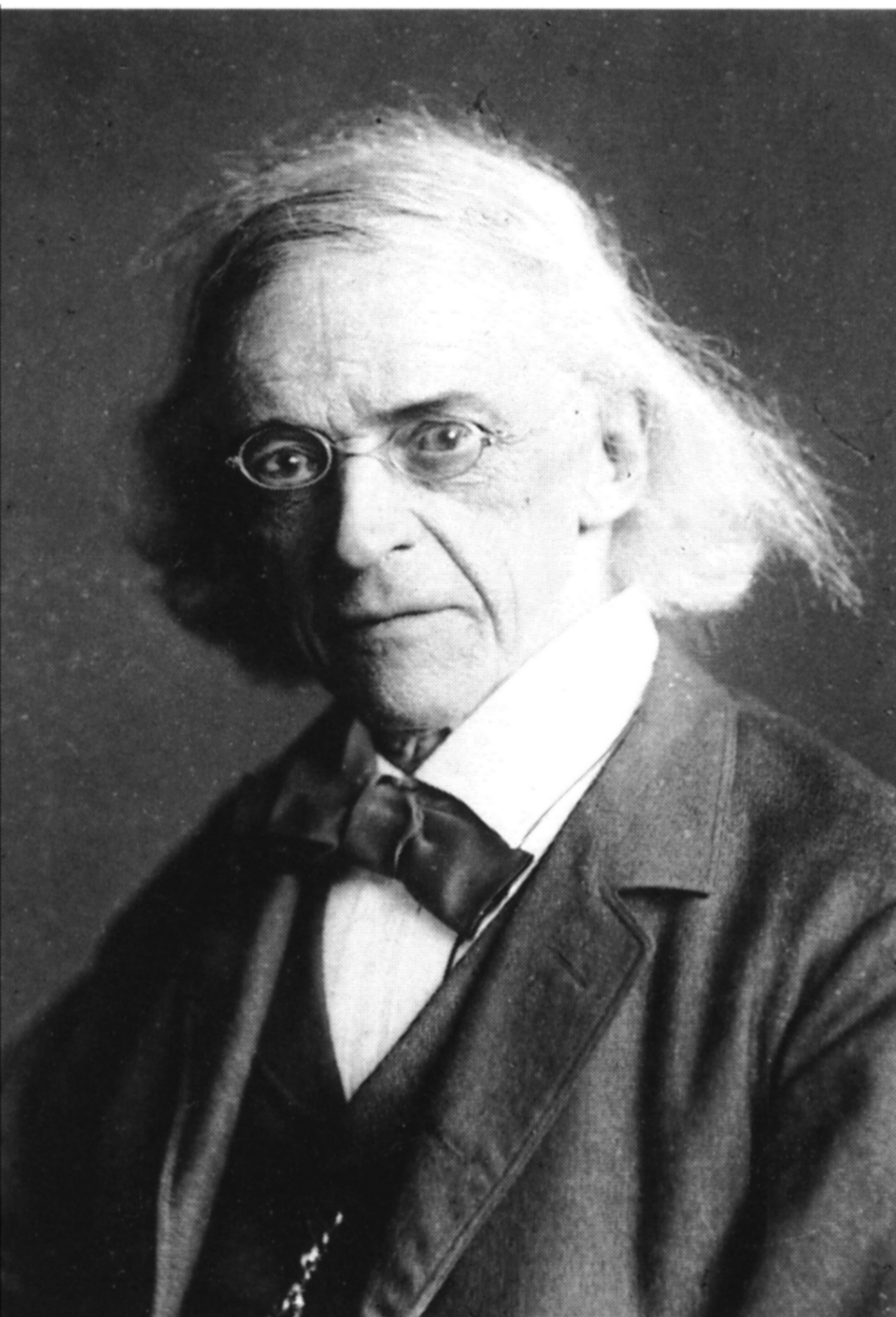
- Theodor Mommsen(major)
- The German historian and author of this comprehensive work on Roman history. He provides scholarly analysis of the establishment of military monarchy in Rome.
- Pompeius (Gnaeus Pompeius Magnus)(protagonist)
- The great Roman general who rose to unprecedented power through military commands against pirates and in the East. Despite his military success, he lacked the decisive character needed for true political leadership.
- Marcus Crassus(major)
- The wealthiest Roman of his time who used his fortune to build political influence. He formed coalitions with both Pompeius and the democratic party to advance his ambitions.
- Gaius Julius Caesar(major)
- The young democratic leader who showed early signs of his future greatness. He skillfully navigated the political coalitions while building his own power base.
- Lucius Lucullus(major)
- The capable Roman general who initially conducted the war against Mithradates with great skill but was ultimately recalled due to political machinations and military mutiny.
- Mithradates VI Eupator(antagonist)
- The king of Pontus who waged a decades-long struggle against Roman expansion in the East. Despite repeated defeats, he remained a formidable enemy until his death.
Link to this book
Add a free, dofollow link to Lex on your blog, forum, syllabus, or reading list.

<a href="https://lex-books.com/book/the-history-of-rome-book-v-the-establishment-of-the-military-monarchy-25853342-b6fa-4b8e-a8d5-d90acf845f12"><img src="https://lex-books.com/badges/read-on-lex.svg" alt="Read The History of Rome, Book V: The Establishment of the Military Monarchy by Theodor Mommsen free on Lex" width="160" height="40"></a>[](https://lex-books.com/book/the-history-of-rome-book-v-the-establishment-of-the-military-monarchy-25853342-b6fa-4b8e-a8d5-d90acf845f12)[url=https://lex-books.com/book/the-history-of-rome-book-v-the-establishment-of-the-military-monarchy-25853342-b6fa-4b8e-a8d5-d90acf845f12][img]https://lex-books.com/badges/read-on-lex.svg[/img][/url]Read The History of Rome, Book V: The Establishment of the Military Monarchy by Theodor Mommsen free on Lex: https://lex-books.com/book/the-history-of-rome-book-v-the-establishment-of-the-military-monarchy-25853342-b6fa-4b8e-a8d5-d90acf845f12Cite this book
Reading this edition for a paper or guide? Copy a citation.
Mommsen, Theodor. The History of Rome, Book V: The Establishment of the Military Monarchy. Lex, lex-books.com/book/the-history-of-rome-book-v-the-establishment-of-the-military-monarchy-25853342-b6fa-4b8e-a8d5-d90acf845f12.Mommsen, T. (n.d.). The History of Rome, Book V: The Establishment of the Military Monarchy. Lex. https://lex-books.com/book/the-history-of-rome-book-v-the-establishment-of-the-military-monarchy-25853342-b6fa-4b8e-a8d5-d90acf845f12Mommsen, Theodor. The History of Rome, Book V: The Establishment of the Military Monarchy. Lex. https://lex-books.com/book/the-history-of-rome-book-v-the-establishment-of-the-military-monarchy-25853342-b6fa-4b8e-a8d5-d90acf845f12.