The Four Horsemen of the Apocalypse
1916
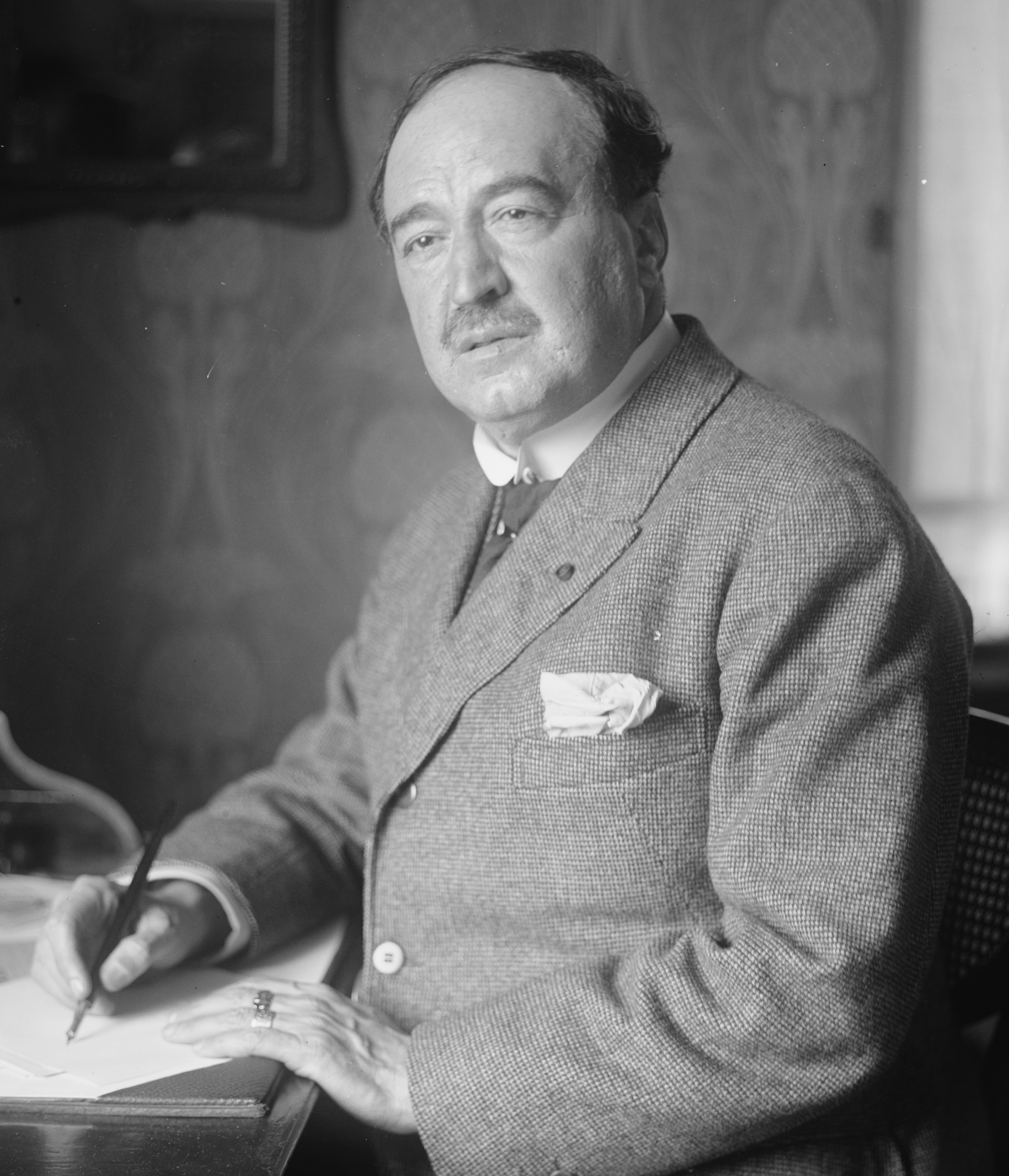
This was the novel that gave the language its phrase for civilizational collapse. Written in the blood of the First World War, Vicente Blasco Ibáñez crafted a story that captured Europe as it hurtled toward the abyss, a continent of lovers and families about to tear itself apart. Julio Desnoyers, an Argentinean aristocrat living in Paris, embodies the hedonistic old world that thinks itself immortal. His family stretches across the fault line of the coming war: a French son-in-law, a German son-in-law, ties that binding once meant something other than catastrophe. As rumors of conflict turn to mobilization, Julio transforms from a spoiled man about town into a soldier who discovers, in the crucible of battle, what he truly values. The novel burns with the particular intensity of art created inside the event itself, not a retrospective, but a witness. Blasco Ibáñez wrote this in 1916, while the trenches were still fresh, and the anger and grief crackle on every page. It was the most widely read novel of its decade, and its title became shorthand for the end of everything.
Editions
X-Ray
“Poor Humanity, crazed with fear, was fleeing in all directions on hearing the thundering pace of the Plague, War, Hunger and Death.””
— Vicente Blasco Ibáñez
“-Donde un hombre hace su fortuna y constituye su familia, allí está su verdadera patria””
— Vicente Blasco Ibáñez
“Hurrah for Peace, Frenchy, and the simple life! Where a man can live comfortably and runs no danger of being killed for things he doesn't understand”
— Vicente Blasco Ibáñez
“recuerdo á Grecia, veo las columnatas del Parthenón; Roma señora del mundo es el Coliseo y el Arco de Trajano; la Francia revolucionaria es el Arco de Triunfo.””
— Vicente Blasco Ibáñez
“Para un Estado no existe la verdad ni la mentira: sólo reconoce la conveniencia y la utilidad de las cosas.””
— Vicente Blasco Ibáñez
“Pero en la tierra, los más nobles propósitos rara vez son oídos, pues el destino se divierte en torcerlos y desviarlos.””
— Vicente Blasco Ibáñez
“el hombre acepta como lógico y razonable todo lo que conviene á su egoísmo, colocándolo por encima de la realidad.””
— Vicente Blasco Ibáñez
“cuando dentro de unas horas salga el sol, el mundo verá correr por sus campos los cuatro jinetes enemigos de los hombres... Ya piafan””
— Vicente Blasco Ibáñez
“Fué Chichí la que avisó con un grito: «¡Aquí... aquí!» Los viejos corrieron, temiendo caer á cada paso. Toda la familia se agrupó ante un montón de tierra que tenía la forma vaga de un féretro y empezaba á cubrirse de hierbas. En la cabecera, una cruz con letras grabadas profundamente á punta de cuchillo, obra piadosa de los compañeros de armas. «Desnoyers...» Luego, en abreviaturas militares, el grado, el regimiento y la compañía. Un””
— Vicente Blasco Ibáñez
Link to this book
Add a free, dofollow link to Lex on your blog, forum, syllabus, or reading list.

<a href="https://lex-books.com/book/the-four-horsemen-of-the-apocalypse-5b2e6a88-aa5c-41bc-b1ce-fd5fe5ee60ad"><img src="https://lex-books.com/badges/read-on-lex.svg" alt="Read The Four Horsemen of the Apocalypse by Vicente Blasco Ibáñez free on Lex" width="160" height="40"></a>[](https://lex-books.com/book/the-four-horsemen-of-the-apocalypse-5b2e6a88-aa5c-41bc-b1ce-fd5fe5ee60ad)[url=https://lex-books.com/book/the-four-horsemen-of-the-apocalypse-5b2e6a88-aa5c-41bc-b1ce-fd5fe5ee60ad][img]https://lex-books.com/badges/read-on-lex.svg[/img][/url]Read The Four Horsemen of the Apocalypse by Vicente Blasco Ibáñez free on Lex: https://lex-books.com/book/the-four-horsemen-of-the-apocalypse-5b2e6a88-aa5c-41bc-b1ce-fd5fe5ee60adCite this book
Reading this edition for a paper or guide? Copy a citation.
Ibáñez, Vicente Blasco. The Four Horsemen of the Apocalypse. Lex, lex-books.com/book/the-four-horsemen-of-the-apocalypse-5b2e6a88-aa5c-41bc-b1ce-fd5fe5ee60ad.Ibáñez, V. B. (1916). The Four Horsemen of the Apocalypse. Lex. https://lex-books.com/book/the-four-horsemen-of-the-apocalypse-5b2e6a88-aa5c-41bc-b1ce-fd5fe5ee60adIbáñez, Vicente Blasco. The Four Horsemen of the Apocalypse. Lex. https://lex-books.com/book/the-four-horsemen-of-the-apocalypse-5b2e6a88-aa5c-41bc-b1ce-fd5fe5ee60ad.