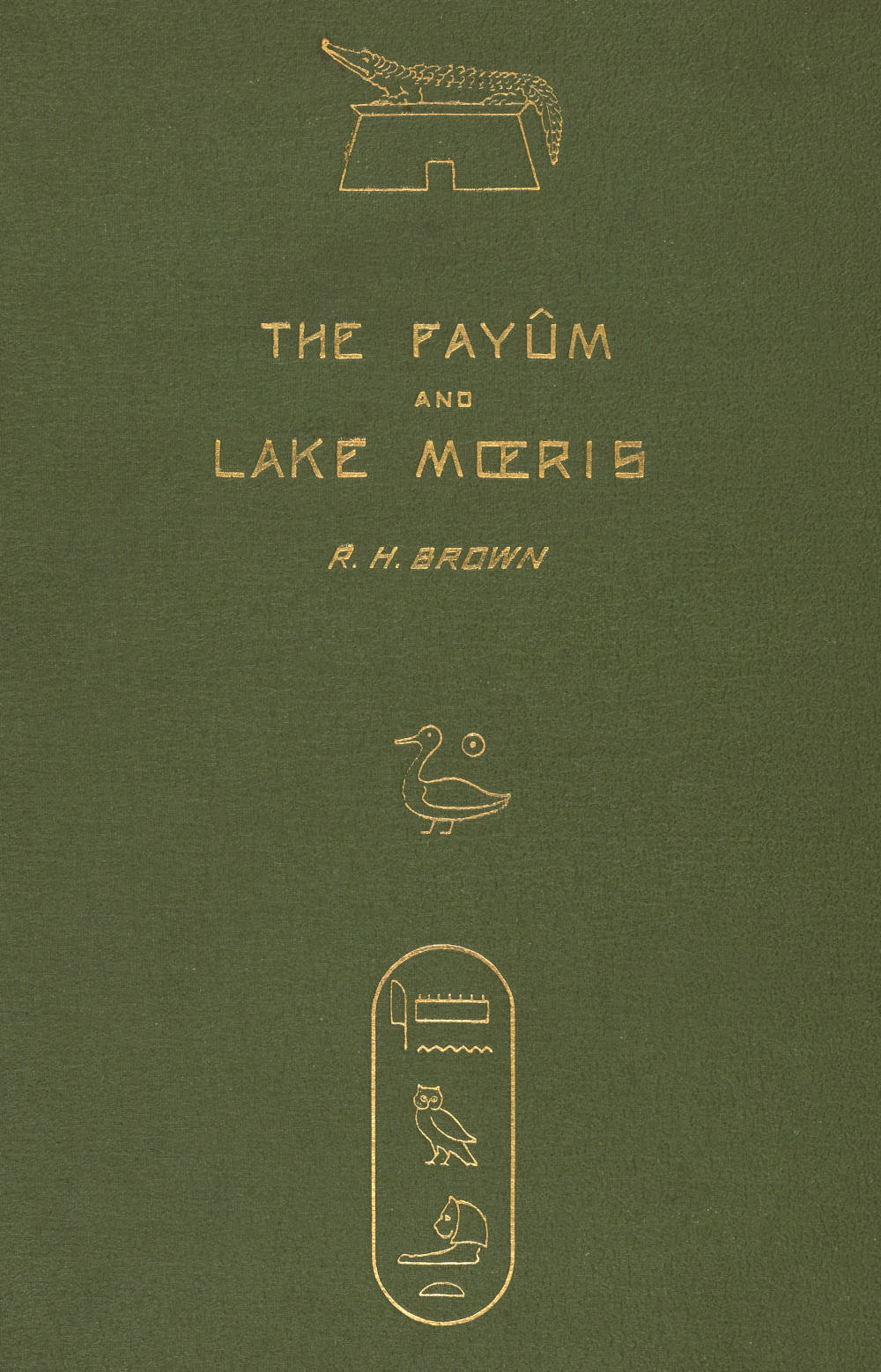
The Fayûm and Lake Mœris
1892
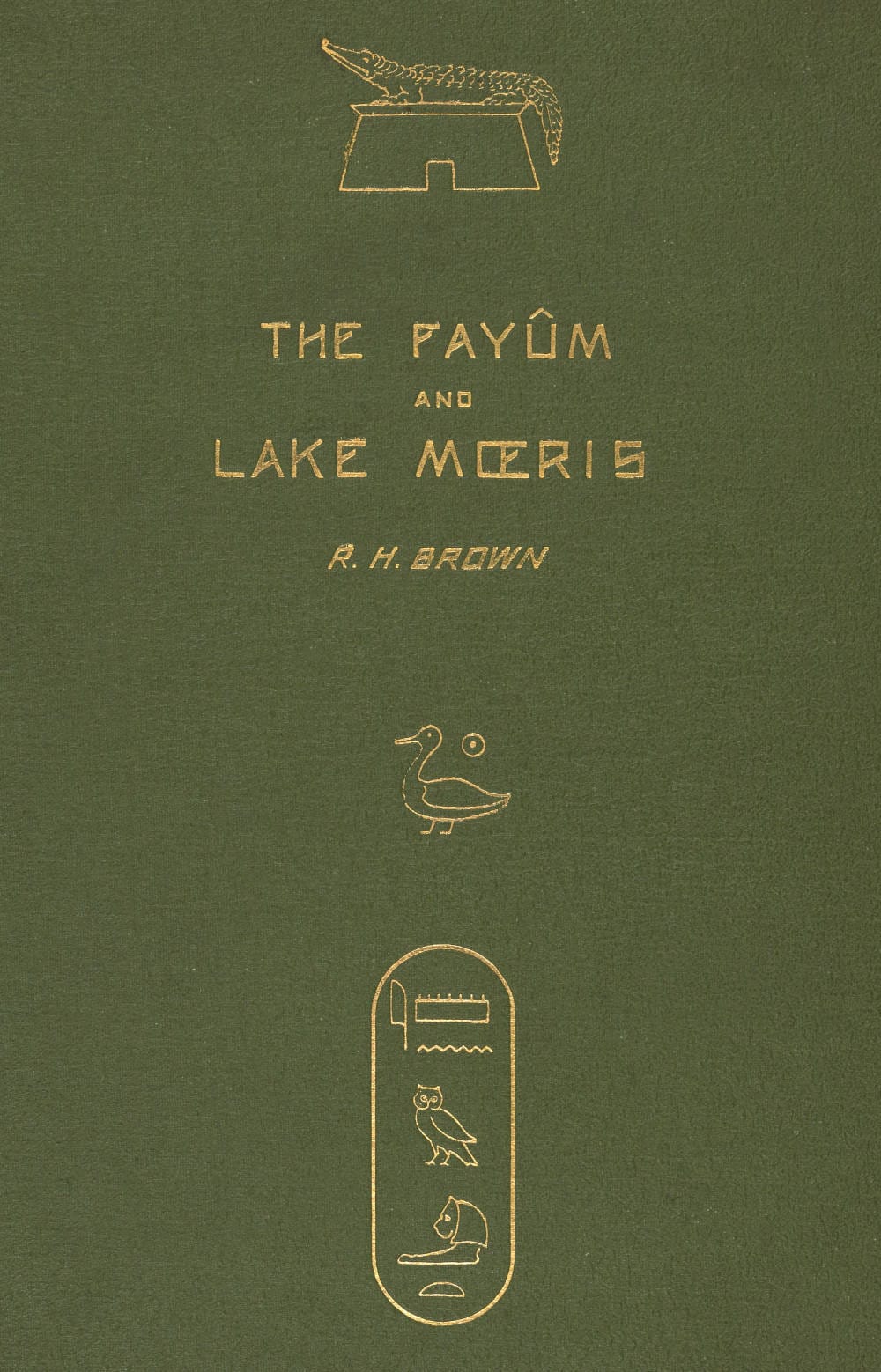
The Fayûm and Lake Mœris
1892
In the baking Egyptian desert lies a depression that once held one of antiquity's greatest mysteries: Lake Mœris, a vast inland sea so enormous that Herodotus himself called it a "sea." R.H. Brown, writing in 1892 with the benefit of nine years' firsthand experience in the Fayûm, sets out to unravel what happened to this vanished body of water and why it obsessed the ancients. The result is a journey through sand and silt, classical sources and local testimony, Victorian engineering and pharaonic ambition. Brown examines the ancient accounts, weighs competing theories about the lake's extent and fate, and traces how the sophisticated irrigation systems of the Fayûm transformed this marshy heartland into Egypt's breadbasket. Part detective inquiry, part love letter to a landscape where the hand of millennia is visible in every canal and embankment, the book captures the thrill of 19th-century geographical detective work. For anyone who has ever wondered what lies beneath the surface of history, Brown offers a compelling case study in how the past both vanishes and endures.
Editions
X-Ray
The author and irrigation engineer who challenges existing theories about Lake Mœris. He conducts detailed field surveys and measurements to support his arguments.
Former Minister of Public Works in Egypt whose theory about Lake Mœris location Brown systematically refutes. His theory placed the lake on what he called a 'plateau' southeast of Medineh.
Researcher who discovered the Wadi Raiân and proposed it as the location of Lake Mœris. Brown agrees with his criticism of Linant but rejects his Wadi Raiân theory.
Archaeologist whose views on Lake Mœris generally align with Brown's theory that the entire Fayûm depression was the ancient lake.
About The Fayûm and Lake Mœris
Chapter Summaries
- 1
- Brown presents and systematically refutes Linant Pasha's theory that Lake Mœris occupied a 'plateau' southeast of Medineh. He demonstrates that Linant's theory is based on erroneous data and fails to satisfy the conditions described by ancient historians.
- 2
- Brown examines Whitehouse's theory that the Wadi Raiân was Lake Mœris, acknowledging his valid criticisms of Linant while rejecting the Wadi Raiân hypothesis due to lack of Nile deposits and fresh-water shells.
- 3
- Brown addresses Linant's objections to the theory that the entire Fayûm depression was Lake Mœris, arguing that ancient towns were built on elevated shores rather than proving the area was never submerged.
Key Themes
- Scientific Method vs. Authority
- Brown demonstrates how accepted theories can persist despite contradictory evidence when supported by respected authorities. He advocates for empirical observation over deference to established names.
- Engineering and Hydraulics
- The work extensively explores ancient Egyptian engineering capabilities, irrigation systems, and water management, showing how understanding hydraulic principles is crucial to interpreting archaeological evidence.
- Landscape and Environmental Change
- The text examines how the Fayûm region transformed over millennia from a natural lake to controlled reservoir to agricultural land, illustrating the dynamic relationship between human intervention and natural processes.
Characters
- R. H. Brown(protagonist)
- The author and irrigation engineer who challenges existing theories about Lake Mœris. He conducts detailed field surveys and measurements to support his arguments.
- Linant de Bellefonds Pasha(antagonist)
- Former Minister of Public Works in Egypt whose theory about Lake Mœris location Brown systematically refutes. His theory placed the lake on what he called a 'plateau' southeast of Medineh.
- Mr. Cope Whitehouse(major)
- Researcher who discovered the Wadi Raiân and proposed it as the location of Lake Mœris. Brown agrees with his criticism of Linant but rejects his Wadi Raiân theory.
- Mr. Flinders Petrie(major)
- Archaeologist whose views on Lake Mœris generally align with Brown's theory that the entire Fayûm depression was the ancient lake.
- Dr. G. Schweinfurth(major)
- German explorer and naturalist who discovered ancient ruins and provided geological evidence against the Wadi Raiân theory.
- Brugsch Pasha(minor)
- Prominent Egyptologist who supported Linant's theory as late as 1892, despite mounting evidence against it.
Link to this book
Add a free, dofollow link to Lex on your blog, forum, syllabus, or reading list.

<a href="https://lex-books.com/book/the-fay-m-and-lake-m-ris-4a644ebf-0616-48d3-b634-0758157f83d3"><img src="https://lex-books.com/badges/read-on-lex.svg" alt="Read The Fayûm and Lake Mœris by R. H. Brown free on Lex" width="160" height="40"></a>[](https://lex-books.com/book/the-fay-m-and-lake-m-ris-4a644ebf-0616-48d3-b634-0758157f83d3)[url=https://lex-books.com/book/the-fay-m-and-lake-m-ris-4a644ebf-0616-48d3-b634-0758157f83d3][img]https://lex-books.com/badges/read-on-lex.svg[/img][/url]Read The Fayûm and Lake Mœris by R. H. Brown free on Lex: https://lex-books.com/book/the-fay-m-and-lake-m-ris-4a644ebf-0616-48d3-b634-0758157f83d3Cite this book
Reading this edition for a paper or guide? Copy a citation.
Brown, R. H.. The Fayûm and Lake Mœris. Lex, lex-books.com/book/the-fay-m-and-lake-m-ris-4a644ebf-0616-48d3-b634-0758157f83d3.Brown, R. H. (1892). The Fayûm and Lake Mœris. Lex. https://lex-books.com/book/the-fay-m-and-lake-m-ris-4a644ebf-0616-48d3-b634-0758157f83d3Brown, R. H.. The Fayûm and Lake Mœris. Lex. https://lex-books.com/book/the-fay-m-and-lake-m-ris-4a644ebf-0616-48d3-b634-0758157f83d3.