The Excavations at Babylon
1914
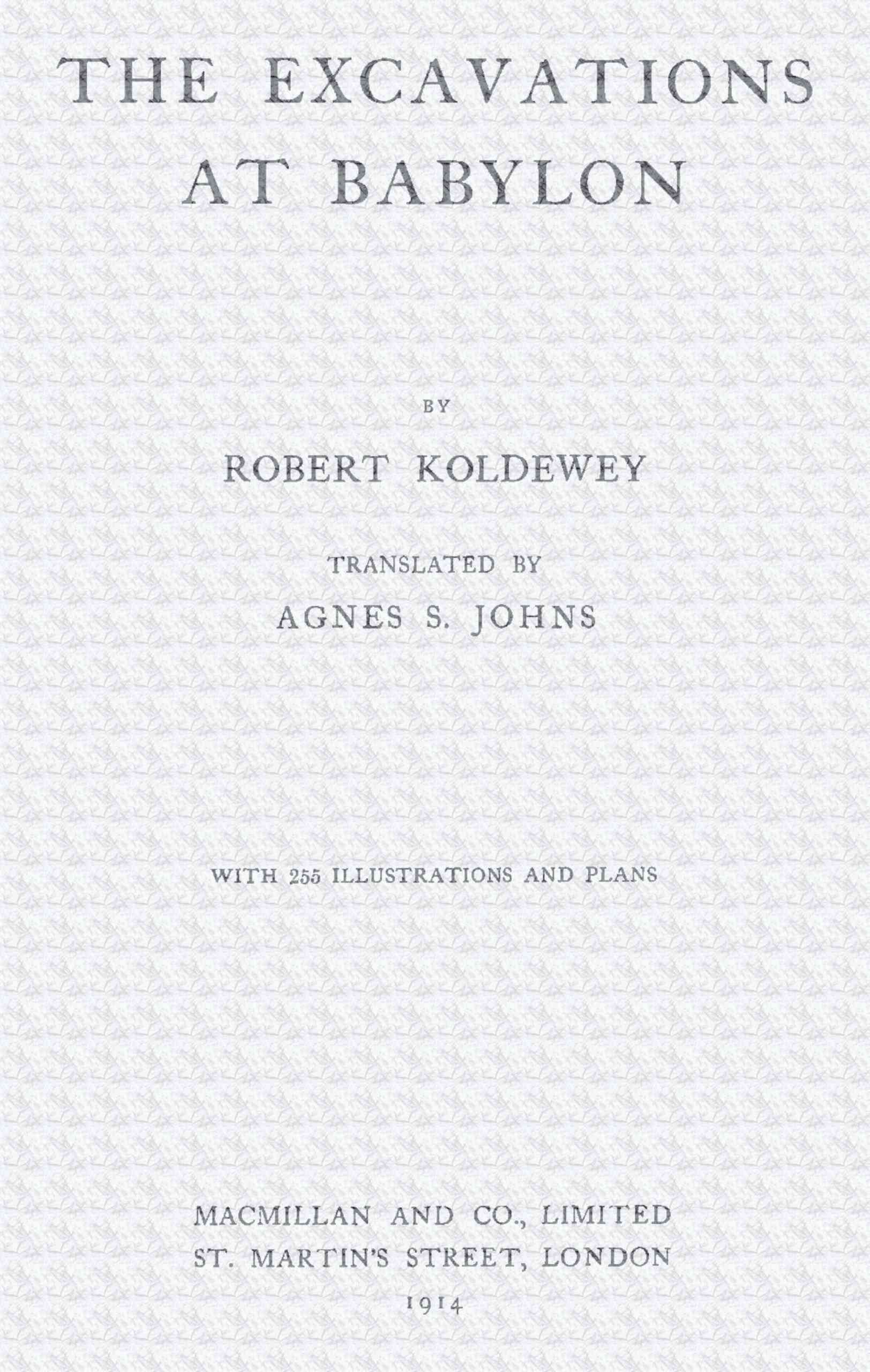
The Excavations at Babylon
1914
Translated by A. S. (Agnes Sophia) Johns
In 1899, German archaeologist Robert Koldewey began systematically uncovering the ruins of ancient Babylon, the fabled city of Hammurabi and Nebuchadnezzar, the hanging gardens, and the tower of Babel. This book is his firsthand account of that extraordinary excavation - the dust, the guesswork, the slow revelation of a metropolis that had haunted human imagination for millennia. Koldewey documents the discovery of the magnificent Ishtar Gate with its cobalt blue glazed bricks, the Procession Street lined with lions and dragons, and the imposing city walls that Herodotus once claimed could be seen from the stars. He writes with the precision of a scientist and the wonder of a man watching a lost world reassemble itself before his eyes. The book captures the moment when legend became archaeology, when the stories of Nebuchadnezzar's palace and the ziggurat of Enlil could finally be measured, mapped, and understood. For anyone curious about how we piece together the ancient past from fragments buried beneath the earth, this remains an essential window into the birth of modern Assyriology and the rediscovery of one of history's most consequential cities.
Editions
X-Ray
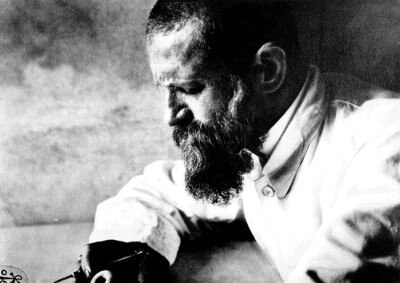
German archaeologist and expedition leader who directed the excavations at Babylon from 1899-1917. He meticulously documented the discoveries and interpreted the architectural remains.
Neo-Babylonian king (605-562 BCE) who extensively rebuilt and expanded Babylon. His inscriptions and architectural works dominate the archaeological record.
Founder of the Neo-Babylonian dynasty and father of Nebuchadnezzar. Built the original palace that his son later expanded and renovated.
Chief deity of Babylon, patron god of the city. His temple Esagila and the associated rituals were central to Babylonian religious life.
About The Excavations at Babylon
Chapter Summaries
- I
- Koldewey describes the massive fortification walls of Babylon, including a double wall system with towers. He compares ancient descriptions with archaeological evidence and discusses the scale of the defenses.
- II
- Examination of the northern mound called Babil, which preserves the ancient name. Koldewey describes the damage from brick robbers and identifies it as a palace of Nebuchadnezzar.
- III
- Overview of Babylon's layout from the heights of Babil, describing the major mounds and their purposes, including the Kasr (palace), Amran (temple area), and residential districts.
Key Themes
- Archaeological Discovery and Interpretation
- The meticulous process of uncovering and understanding ancient civilizations through material remains, demonstrating how archaeology reveals lost worlds.
- Cultural Continuity and Change
- The layered history of Babylon shows how civilizations build upon their predecessors, with each era leaving its mark on the urban landscape.
- Power and Monumentality
- The massive scale of Babylonian architecture reflects the power and ambition of its rulers, particularly Nebuchadnezzar's efforts to create an impressive capital.
Characters
- Robert Koldewey(protagonist)
- German archaeologist and expedition leader who directed the excavations at Babylon from 1899-1917. He meticulously documented the discoveries and interpreted the architectural remains.
- Nebuchadnezzar(major)
- Neo-Babylonian king (605-562 BCE) who extensively rebuilt and expanded Babylon. His inscriptions and architectural works dominate the archaeological record.
- Nabopolassar(major)
- Founder of the Neo-Babylonian dynasty and father of Nebuchadnezzar. Built the original palace that his son later expanded and renovated.
- Marduk(major)
- Chief deity of Babylon, patron god of the city. His temple Esagila and the associated rituals were central to Babylonian religious life.
- Sargon(major)
- Assyrian king who built fortification walls along the Euphrates at Babylon, as evidenced by inscribed bricks found in the excavations.
- Sardanapalus (Ashurbanipal)(major)
- Assyrian king who restored various temples in Babylon, including the temple of Ninmach. His inscriptions are found throughout the site.
Link to this book
Add a free, dofollow link to Lex on your blog, forum, syllabus, or reading list.

<a href="https://lex-books.com/book/the-excavations-at-babylon-d51dcd7a-7653-4175-9358-84ba045252bb"><img src="https://lex-books.com/badges/read-on-lex.svg" alt="Read The Excavations at Babylon by Robert Koldewey free on Lex" width="160" height="40"></a>[](https://lex-books.com/book/the-excavations-at-babylon-d51dcd7a-7653-4175-9358-84ba045252bb)[url=https://lex-books.com/book/the-excavations-at-babylon-d51dcd7a-7653-4175-9358-84ba045252bb][img]https://lex-books.com/badges/read-on-lex.svg[/img][/url]Read The Excavations at Babylon by Robert Koldewey free on Lex: https://lex-books.com/book/the-excavations-at-babylon-d51dcd7a-7653-4175-9358-84ba045252bbCite this book
Reading this edition for a paper or guide? Copy a citation.
Koldewey, Robert. The Excavations at Babylon. Lex, lex-books.com/book/the-excavations-at-babylon-d51dcd7a-7653-4175-9358-84ba045252bb.Koldewey, R. (1914). The Excavations at Babylon. Lex. https://lex-books.com/book/the-excavations-at-babylon-d51dcd7a-7653-4175-9358-84ba045252bbKoldewey, Robert. The Excavations at Babylon. Lex. https://lex-books.com/book/the-excavations-at-babylon-d51dcd7a-7653-4175-9358-84ba045252bb.