The Essence of Christianity: Translated from the Second German Edition
1841
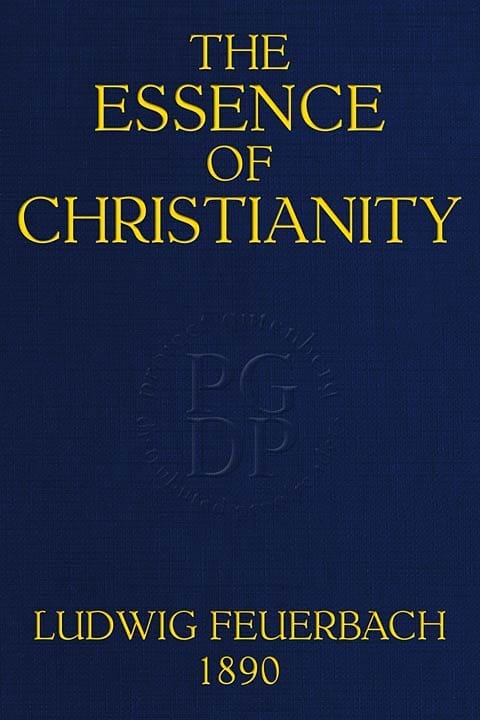
The Essence of Christianity: Translated from the Second German Edition
1841
Translated by George Eliot
In 1841, Ludwig Feuerbach committed an act of philosophical audacity that would echo through the next two centuries of Western thought: he declared that God is humanity's own nature, reflected and magnified, projected outward and worshiped as something other than itself. The divine, in this revolutionary reading, is a mirror in which humans have hung their highest ideals, deepest longings, and most profound self-understanding. What Christianity calls God is, in fact, human nature estranged from itself. Feuerbach's incisive analysis dissects the entire architecture of Christian theology, the Trinity, creation, miracles, prayer, resurrection, immortality, and reveals each doctrine as a transformed expression of human capacities. When humans pray, they address themselves. When they believe in miracles, they assert the possibility of the impossible. When they crave immortality, they refuse to accept their mortality. Faith, he argues, is not communion with the divine but a relationship with one's own species-being. The true danger emerges only when theology becomes dogma, when humanity forgets that God is its own creation and begins to worship a phantom of itself. This text laid the groundwork for Marx's historical materialism, Nietzsche's critique of slave morality, and Freud's psychoanalysis of religion. It remains essential reading for anyone who wants to understand the genealogy of modern secular thought and the philosophical foundations of the secular age.