The City of the Sun
1602
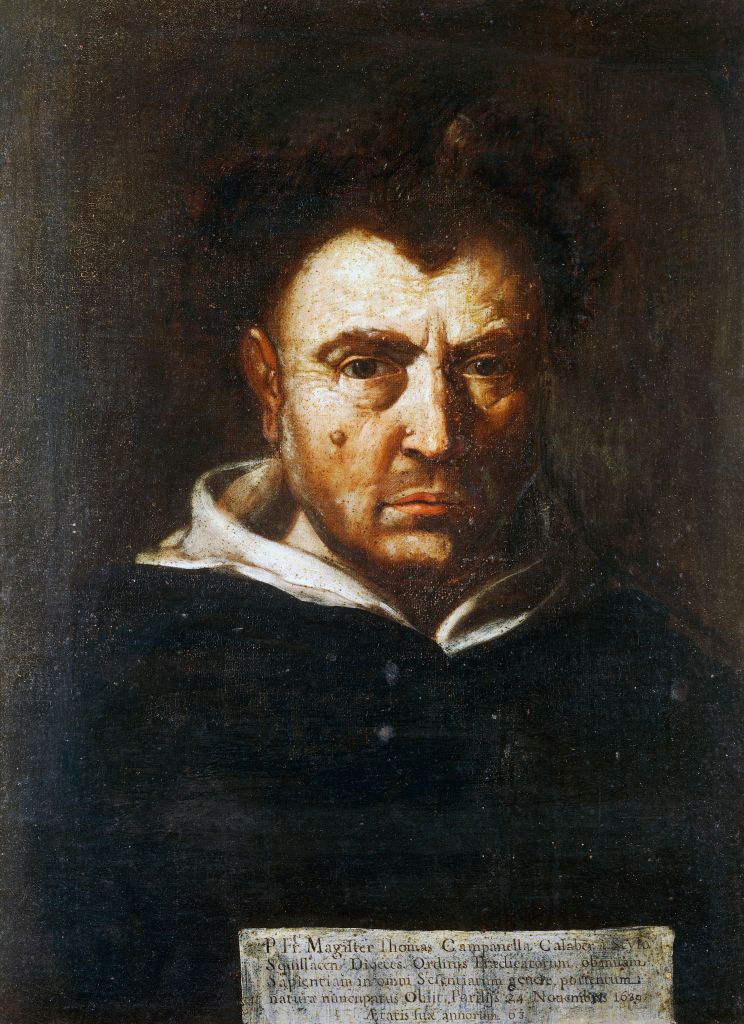
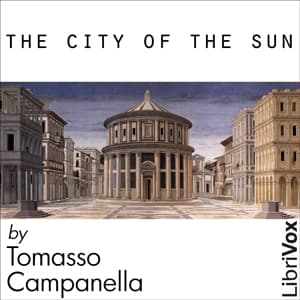
La città del sole was forged in a prison cell, written by Tommaso Campanella while rotting in a Neapolitan dungeon for the crime of believing his ideas could reshape the world. This radical dialogue between a sea-worn captain and a curious Grandmaster unfolds as a visionary blueprint for the perfect society: a city arranged in concentric rings, each dedicated to a different domain of human knowledge and endeavor, governed by three supreme figures whose names embody the highest ideals, Power, Wisdom, and Love. The inhabitants hold all things in common, share equal access to education and resources, worship a unified deity of nature and reason, and pursue scientific truth with the same fervor others reserve for holy war. What makes this 1602 text endure is not its impracticality, Campanella knew his Solar City would likely never exist, but its audacious premise that society might be engineered for collective flourishing rather than designed to serve the powerful. The book crackles with the dangerous energy of a thinker who had nothing left to lose. It remains essential for anyone interested in the genealogy of utopian thought, the history of radical politics, or the strange alchemy by which imprisonment can produce blueprints for paradise.
Editions
X-Ray
“Gerçekte Güneş doğarken bizi yatağımızdan kalkmaya zorlamaz, yalnızca kalkmaya çağırır, gece karanlığının bizi uykuya çağırışı gibi. Demek, doğa olaylarının özgürlüğümüz üstünde ancak anlık, dolaylı bir etkisi vardır: Böylece ruh, kendini kimi zaman sevginin, kimi zaman nefretin, kimi zaman öfkenin ve çeşitli tutkuların itilerine kaptırsa da, insan yine bu tutkuların kölesi olmak ya da onlara kafa tutmak yetisinden yoksun değildir. Bütün sapkınlıklar, kıtlıklar, savaşlar sık sık insan topluluklarını belalara sokuyorsa, bunun nedeni insanların cinsel güdülerini dizginleyecek, aklın gösterdiği yoldan gidecek yerde, akla aykırı davranmalarıdır.””
— Tommaso Campanella
“Büyük değişmeyi Adem babamızın işlediği o günaha yormakla yetinen Hristiyanları mutlu sayıyorlar, kıskanıyorlar onları. Onlara göre babalardan çocuklara miras olarak günahları değil, günahlarının cezası kalıyor. Oysa, asıl çocukların günahlarının cezasını, üreme kurallarına uymayan ve çocuklarının eğitimine önem vermeyen babaların çekmesi gerekir.””
— Tommaso Campanella
“Güneş Kentlilere göre, aşağı yaratıkları oluşturan iki fiziksel öge vardır: Biri erkek öge: Güneş; öbürü de dişi öge: Dünya. Hava, gökyüzünün saf olmayan kısmıdır. Ateş, Güneş'ten gelmiştir. Deniz dünyanın teri, ya da bağrındaki nesnelerin yanıp erimesinden oluşan bir sıvıdır. Su, ayrıca, havayla toprağı birleştirir, tıpkı bedenle ruhu birleştiren kan gibi. Dünya, kocaman bir hayvandır: İnsan onun bağrında yaşar, tıpkı biz insanların karnında yaşayan kurtlar gibi.””
— Tommaso Campanella
Link to this book
Add a free, dofollow link to Lex on your blog, forum, syllabus, or reading list.

<a href="https://lex-books.com/book/the-city-of-the-sun-24c0ee49-2615-4210-9273-62313413814a"><img src="https://lex-books.com/badges/read-on-lex.svg" alt="Read The City of the Sun by Tommaso Campanella free on Lex" width="160" height="40"></a>[](https://lex-books.com/book/the-city-of-the-sun-24c0ee49-2615-4210-9273-62313413814a)[url=https://lex-books.com/book/the-city-of-the-sun-24c0ee49-2615-4210-9273-62313413814a][img]https://lex-books.com/badges/read-on-lex.svg[/img][/url]Read The City of the Sun by Tommaso Campanella free on Lex: https://lex-books.com/book/the-city-of-the-sun-24c0ee49-2615-4210-9273-62313413814aCite this book
Reading this edition for a paper or guide? Copy a citation.
Campanella, Tommaso. The City of the Sun. Lex, lex-books.com/book/the-city-of-the-sun-24c0ee49-2615-4210-9273-62313413814a.Campanella, T. (1602). The City of the Sun. Lex. https://lex-books.com/book/the-city-of-the-sun-24c0ee49-2615-4210-9273-62313413814aCampanella, Tommaso. The City of the Sun. Lex. https://lex-books.com/book/the-city-of-the-sun-24c0ee49-2615-4210-9273-62313413814a.