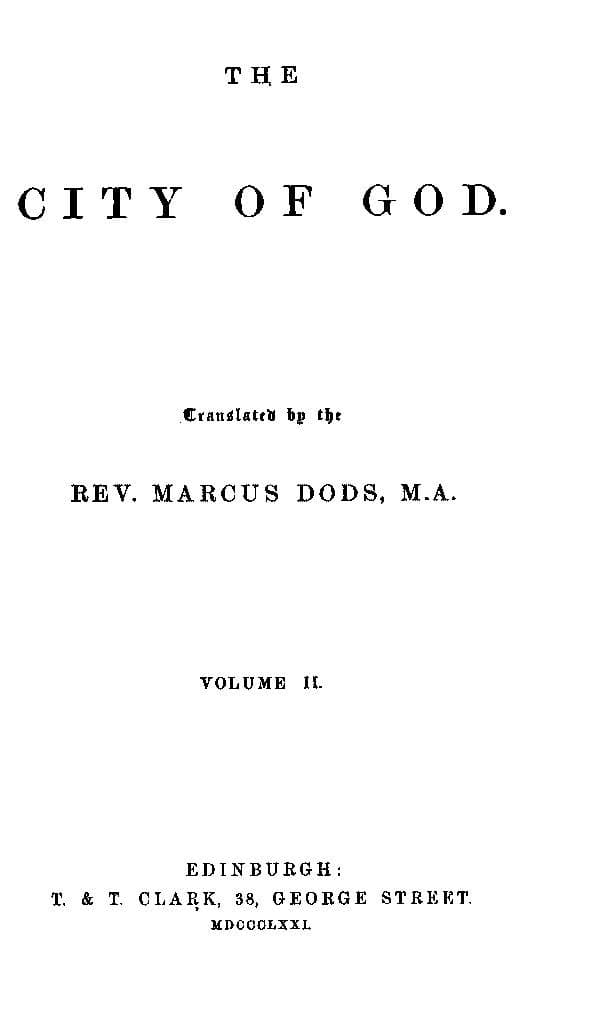
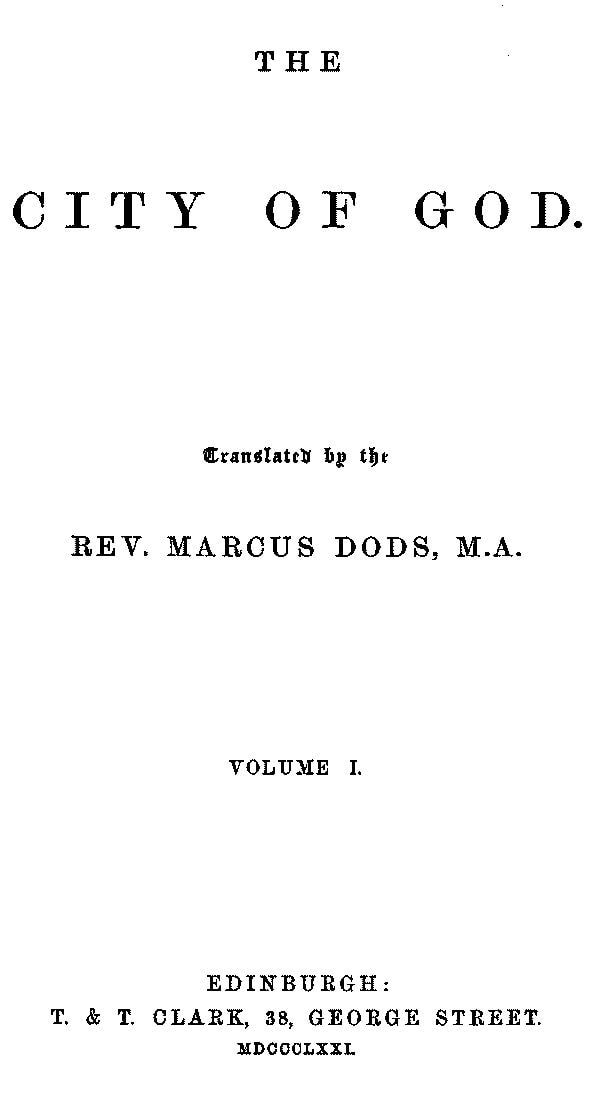
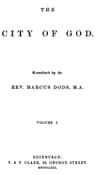
The City of God, Volume I
1950
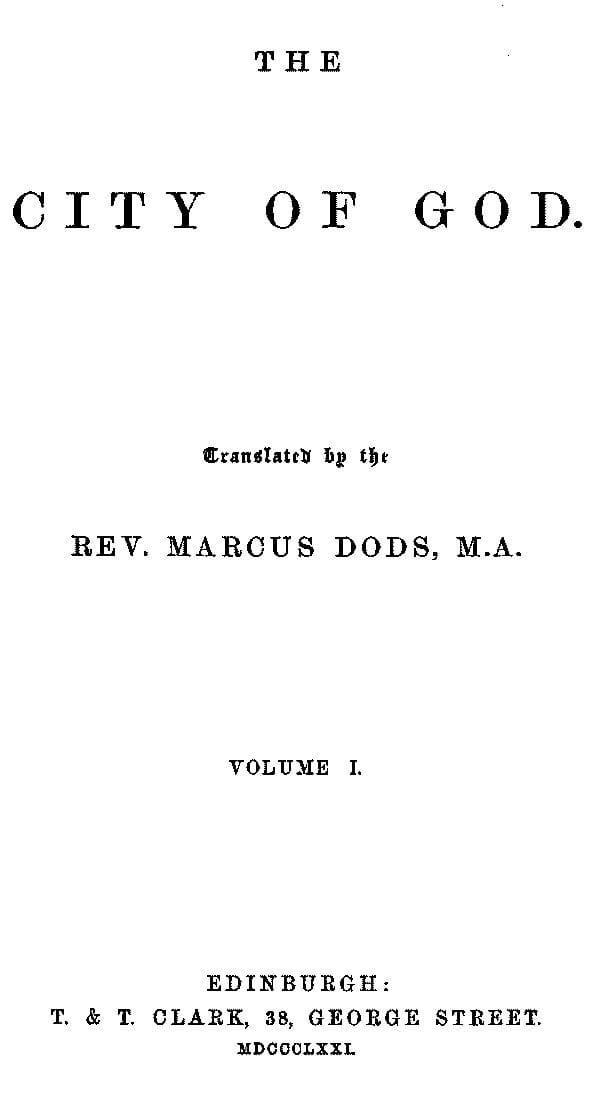
The City of God, Volume I
Saint, Bishop of Hippo Augustine
1950
In 410 AD, the unthinkable: Rome fell to the Goths. Pagans blamed Christians, arguing that abandoning the old gods had invited divine wrath. Augustine's response didn't just defend Christianity - it fundamentally reimagined how humans understand history, power, and meaning. Written over thirteen years as the empire disintegrated around him, The City of God argues that earthly empires have always been fragile, that Rome's gods never protected anyone, and that true civilization rests on something higher than military might or pagan temples. Augustine introduces his great dichotomy: the City of God, built on love of God and self-giving, versus the Earthly City, built on pride and the lust for power. This framework would shape Western political thought, philosophy, and theology for sixteen centuries. Volume I focuses on refuting pagan accusations and establishing the philosophical foundations for the entire work. Augustine draws on history, scripture, and relentless logic to dismantle the idea that prosperity equals divine favor. The prose is rigorous, sometimes酸性, always commanding. This is not casual reading - it's a mind grappling with the largest questions human beings can ask, written in the midst of civilizational collapse.
Editions
Link to this book
Add a free, dofollow link to Lex on your blog, forum, syllabus, or reading list.

<a href="https://lex-books.com/book/the-city-of-god-volume-i-25746efa-0bfb-47fd-8f34-b4be46227060"><img src="https://lex-books.com/badges/read-on-lex.svg" alt="Read The City of God, Volume I by Saint, Bishop of Hippo Augustine free on Lex" width="160" height="40"></a>[](https://lex-books.com/book/the-city-of-god-volume-i-25746efa-0bfb-47fd-8f34-b4be46227060)[url=https://lex-books.com/book/the-city-of-god-volume-i-25746efa-0bfb-47fd-8f34-b4be46227060][img]https://lex-books.com/badges/read-on-lex.svg[/img][/url]Read The City of God, Volume I by Saint, Bishop of Hippo Augustine free on Lex: https://lex-books.com/book/the-city-of-god-volume-i-25746efa-0bfb-47fd-8f34-b4be46227060Cite this book
Reading this edition for a paper or guide? Copy a citation.
Saint, Bishop of Hippo Augustine. The City of God, Volume I. Lex, lex-books.com/book/the-city-of-god-volume-i-25746efa-0bfb-47fd-8f34-b4be46227060.Saint, B. O. H. A. (1950). The City of God, Volume I. Lex. https://lex-books.com/book/the-city-of-god-volume-i-25746efa-0bfb-47fd-8f34-b4be46227060Saint, Bishop of Hippo Augustine. The City of God, Volume I. Lex. https://lex-books.com/book/the-city-of-god-volume-i-25746efa-0bfb-47fd-8f34-b4be46227060.