The Bolshevik Myth

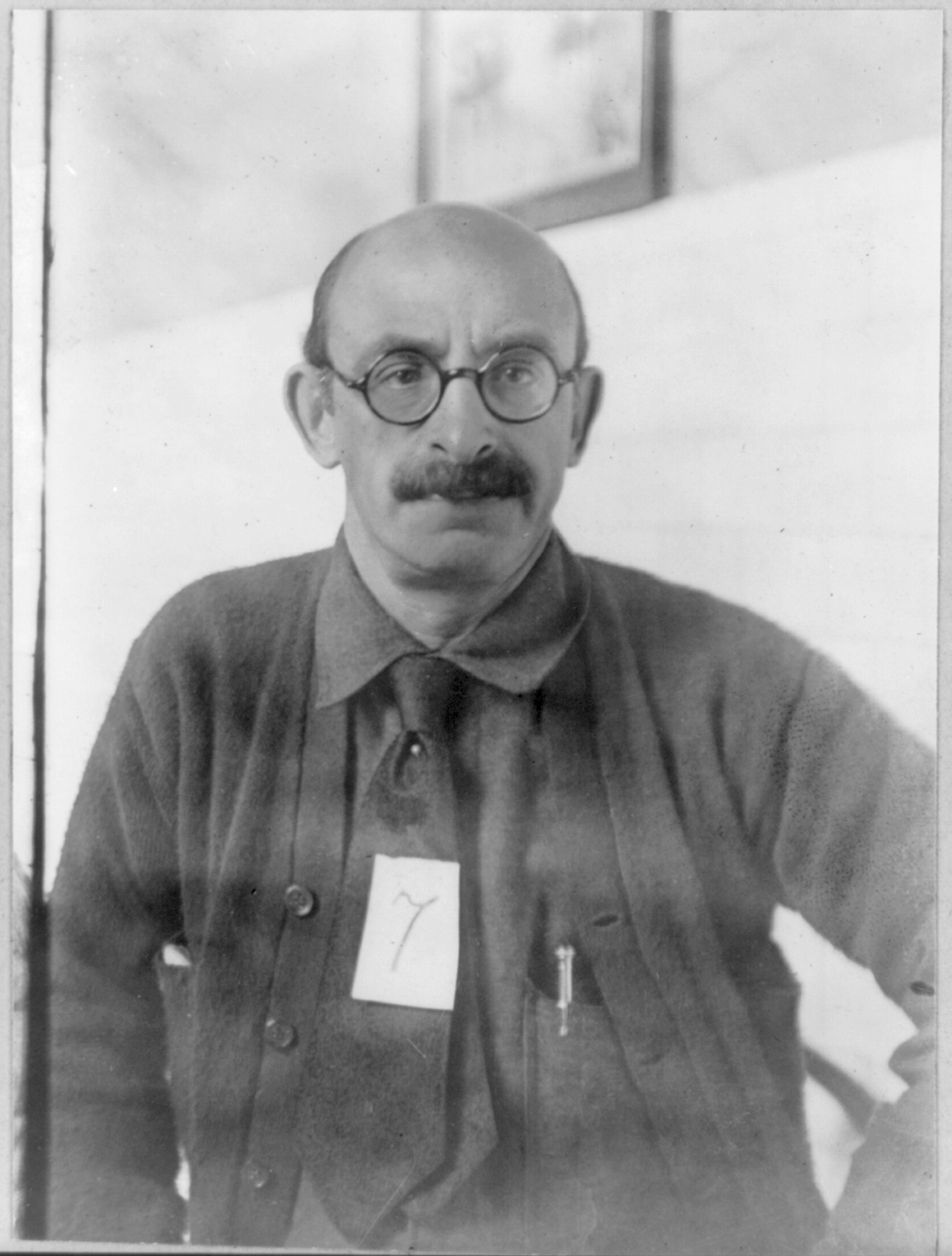
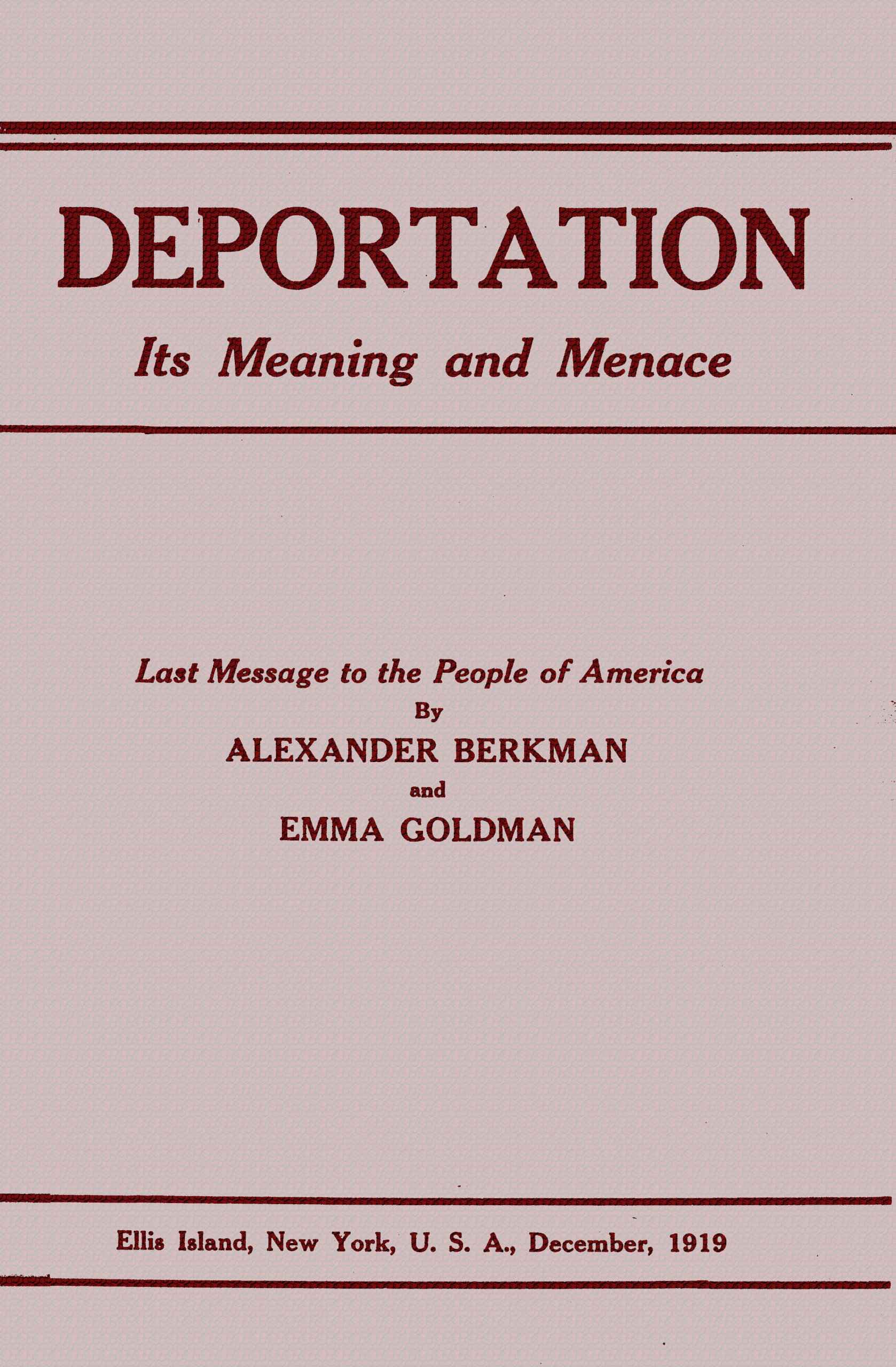
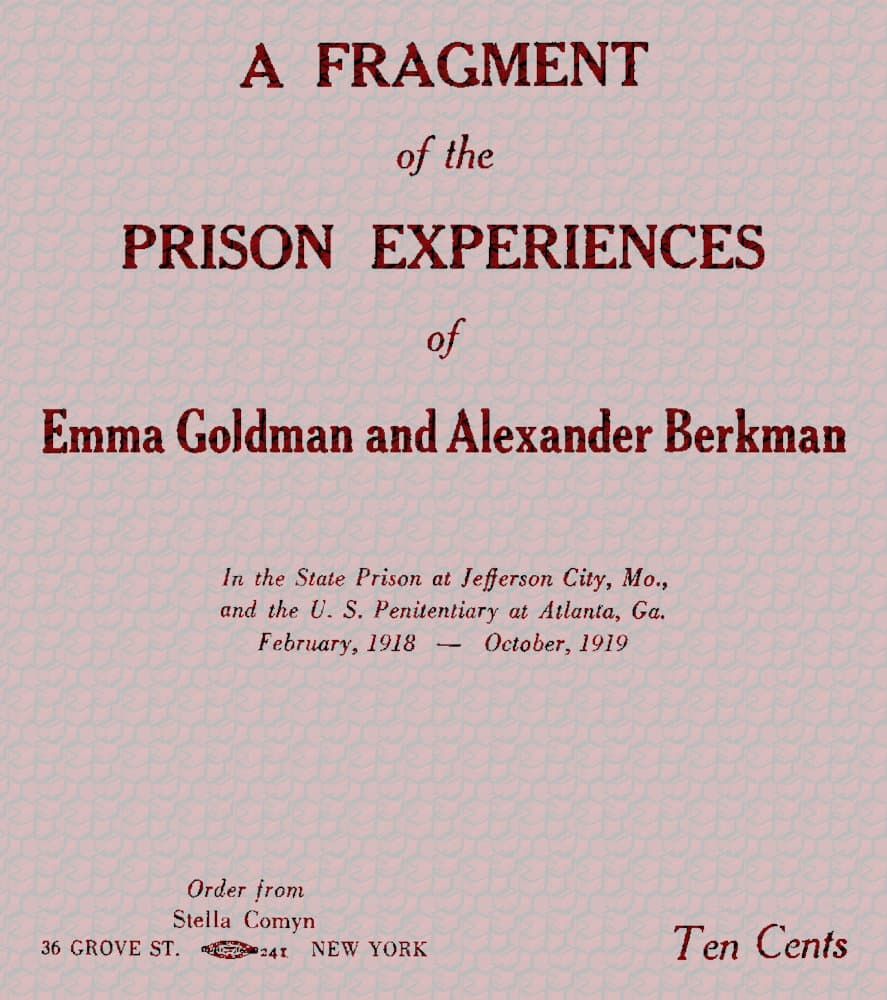
Alexander Berkman, a prominent anarchist and radical, arrived in Soviet Russia in 1920, deported from the United States with Emma Goldman. Initially, he was a fervent supporter of the Bolshevik Revolution, eager to witness the birth of a new society. However, his extensive travels through Russia and Ukraine, observing the practical realities of Bolshevik rule, gradually eroded his initial enthusiasm. His diary entries, later compiled into *The Bolshevik Myth*, chronicle his growing disillusionment as he encountered the regime's increasing authoritarianism, corruption, and the brutal suppression of dissent, culminating in the tragic Kronstadt rebellion which utterly shattered his faith.
Editions

X-Ray
American anarchist deported to Soviet Russia in 1919. Serves as narrator and chairman of various committees, documenting his disillusionment with Bolshevik rule.
Famous anarchist deported with Berkman on the Buford. Serves as treasurer of the Museum expedition and shares Berkman's growing disillusionment.
Leader of the Bolshevik Revolution. Berkman meets with him and finds him to be a practical idealist willing to use any means for revolutionary ends.
Chairman of Petrograd Soviet and Communist Party leader. Initially friendly to Berkman but relationship cools as Berkman becomes critical.
About The Bolshevik Myth
Chapter Summaries
- I
- Berkman and 249 other radicals are deported from America on the ship Buford in December 1919. Despite harsh conditions and uncertainty about their destination, the deportees maintain revolutionary enthusiasm and look forward to helping build the new Russia.
- II
- The deportees arrive at the Russian border and are welcomed with revolutionary ceremony. Berkman experiences profound emotion at reaching Soviet soil and feels this is the most sublime day of his life, seeing it as the triumph of the Revolution.
- III
- Berkman explores revolutionary Petrograd, noting the renamed streets and revolutionary atmosphere. He meets with Communist officials and begins to observe the city's devastation, reduced population, and the privileged treatment of Communist Party members.
Key Themes
- Revolutionary Betrayal
- The central theme explores how revolutionary movements can betray their original ideals. Berkman documents the Bolsheviks' transformation from champions of liberation to authoritarian rulers who suppress dissent and establish new forms of oppression.
- The Corruption of Power
- The book illustrates how power corrupts even well-intentioned revolutionaries. Former idealists become bureaucrats and tyrants, living in luxury while the people starve, using violence to maintain control.
- Idealism vs. Pragmatism
- Berkman grapples with the tension between anarchist ideals of freedom and the Bolshevik argument that harsh measures are necessary for revolutionary survival. The conflict between pure principles and practical politics runs throughout.
Characters
- Alexander Berkman(protagonist)
- American anarchist deported to Soviet Russia in 1919. Serves as narrator and chairman of various committees, documenting his disillusionment with Bolshevik rule.
- Emma Goldman(major)
- Famous anarchist deported with Berkman on the Buford. Serves as treasurer of the Museum expedition and shares Berkman's growing disillusionment.
- Vladimir Lenin(major)
- Leader of the Bolshevik Revolution. Berkman meets with him and finds him to be a practical idealist willing to use any means for revolutionary ends.
- Grigorii Zinoviev(major)
- Chairman of Petrograd Soviet and Communist Party leader. Initially friendly to Berkman but relationship cools as Berkman becomes critical.
- Zorin(major)
- Secretary of Petrograd Communist Party and editor of Krasnaya Gazetta. Former American emigrant who works closely with Berkman on various projects.
- Bill Shatov(major)
- American anarchist who became a Bolshevik organizer. Hero of the defense of Petrograd but later falls into disfavor and is exiled to Siberia.
Link to this book
Add a free, dofollow link to Lex on your blog, forum, syllabus, or reading list.

<a href="https://lex-books.com/book/the-bolshevik-myth-49ce1cf7-3c21-4ca2-b582-cdca167240d3"><img src="https://lex-books.com/badges/read-on-lex.svg" alt="Read The Bolshevik Myth by Alexander Berkman free on Lex" width="160" height="40"></a>[](https://lex-books.com/book/the-bolshevik-myth-49ce1cf7-3c21-4ca2-b582-cdca167240d3)[url=https://lex-books.com/book/the-bolshevik-myth-49ce1cf7-3c21-4ca2-b582-cdca167240d3][img]https://lex-books.com/badges/read-on-lex.svg[/img][/url]Read The Bolshevik Myth by Alexander Berkman free on Lex: https://lex-books.com/book/the-bolshevik-myth-49ce1cf7-3c21-4ca2-b582-cdca167240d3Cite this book
Reading this edition for a paper or guide? Copy a citation.
Berkman, Alexander. The Bolshevik Myth. Lex, lex-books.com/book/the-bolshevik-myth-49ce1cf7-3c21-4ca2-b582-cdca167240d3.Berkman, A. (n.d.). The Bolshevik Myth. Lex. https://lex-books.com/book/the-bolshevik-myth-49ce1cf7-3c21-4ca2-b582-cdca167240d3Berkman, Alexander. The Bolshevik Myth. Lex. https://lex-books.com/book/the-bolshevik-myth-49ce1cf7-3c21-4ca2-b582-cdca167240d3.