The Big Engine
1962
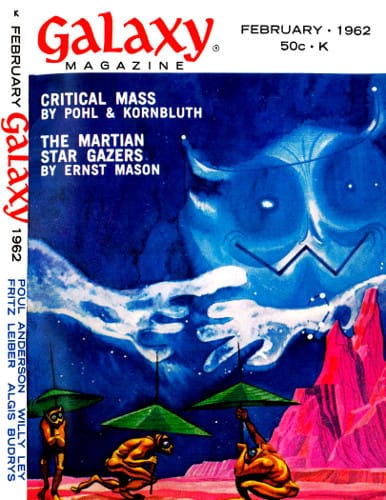
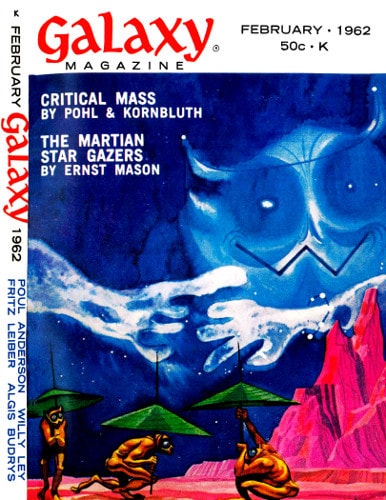
The Big Engine is a haunting meditation on the mechanical nature of human existence, wrapped in a short story that lingers long after its final page. The Professor, a figure both pitiable and terrifying, has achieved a kind of waking nightmare: he sees humanity as it truly is, or as he believes it to be, not a collection of conscious beings but an assembly of biological machines, each performing their function in perfect, soulless synchronization. He hears the symphony of the engine that underlies all existence: the click of typewriters, the grind of gears, the rhythmic pulse of millions going about their programmed days. What makes Leiber's vision so unsettling is not merely its bleakness, but its uncomfortable plausibility. In our age of alienation and routine, haven't we all, at some point, sensed this mechanical quality beneath the surface of modern life? The Big Engine asks an uncomfortable question: what if consciousness is just the hum of the machine, and free will an illusion we tell ourselves to keep from screaming?
Editions
Link to this book
Add a free, dofollow link to Lex on your blog, forum, syllabus, or reading list.

<a href="https://lex-books.com/book/the-big-engine-6082d469-41d3-4a5f-a955-a571d962224a"><img src="https://lex-books.com/badges/read-on-lex.svg" alt="Read The Big Engine by Fritz Leiber free on Lex" width="160" height="40"></a>[](https://lex-books.com/book/the-big-engine-6082d469-41d3-4a5f-a955-a571d962224a)[url=https://lex-books.com/book/the-big-engine-6082d469-41d3-4a5f-a955-a571d962224a][img]https://lex-books.com/badges/read-on-lex.svg[/img][/url]Read The Big Engine by Fritz Leiber free on Lex: https://lex-books.com/book/the-big-engine-6082d469-41d3-4a5f-a955-a571d962224aCite this book
Reading this edition for a paper or guide? Copy a citation.
Leiber, Fritz. The Big Engine. Lex, lex-books.com/book/the-big-engine-6082d469-41d3-4a5f-a955-a571d962224a.Leiber, F. (1962). The Big Engine. Lex. https://lex-books.com/book/the-big-engine-6082d469-41d3-4a5f-a955-a571d962224aLeiber, Fritz. The Big Engine. Lex. https://lex-books.com/book/the-big-engine-6082d469-41d3-4a5f-a955-a571d962224a.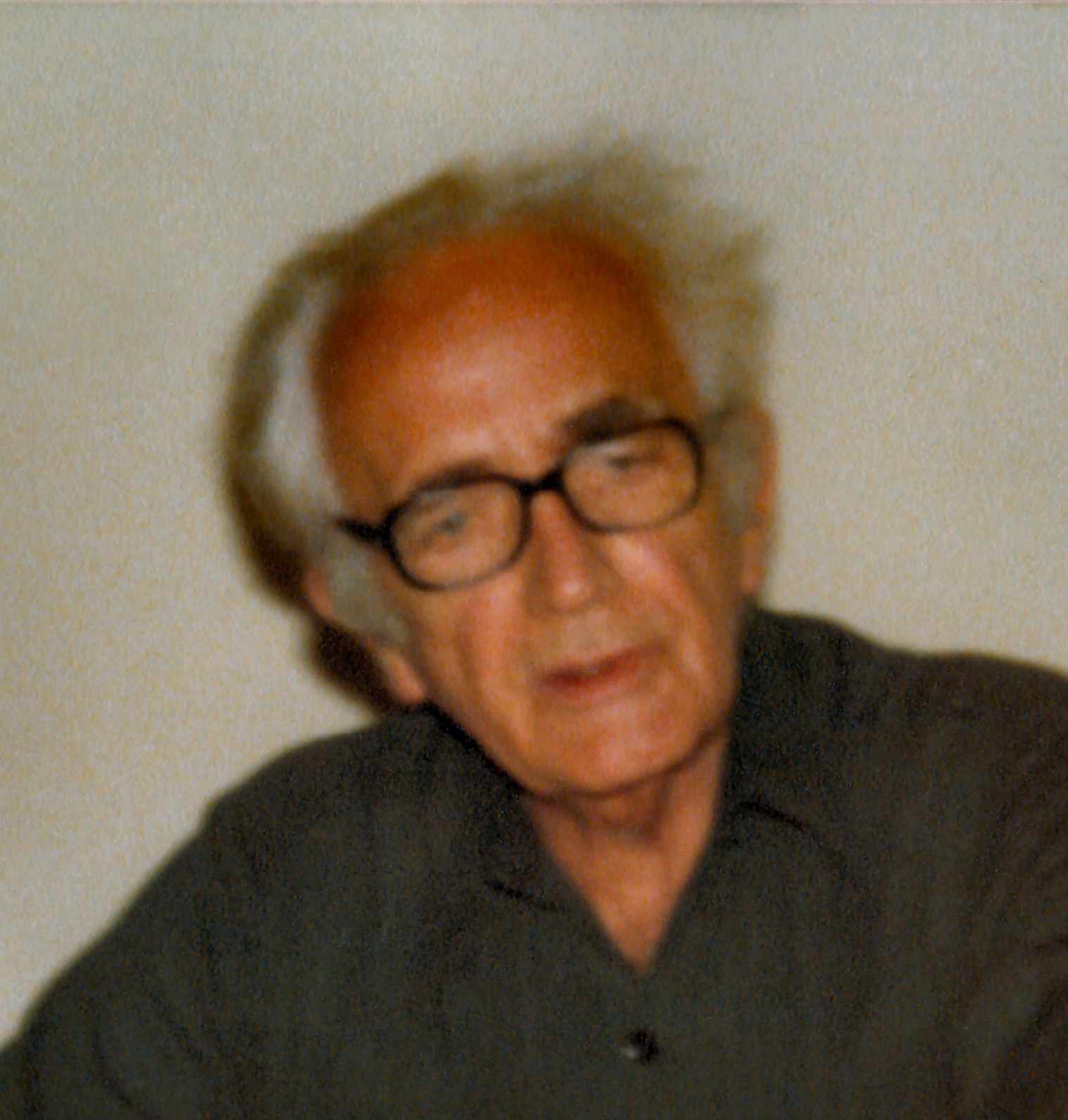







![Night Watches [complete]](/_next/image?url=https%3A%2F%2Fd3b2n8gj62qnwr.cloudfront.net%2FCOVERS%2Fgutenberg_covers75k%2Febook-12161.png&w=3840&q=75)