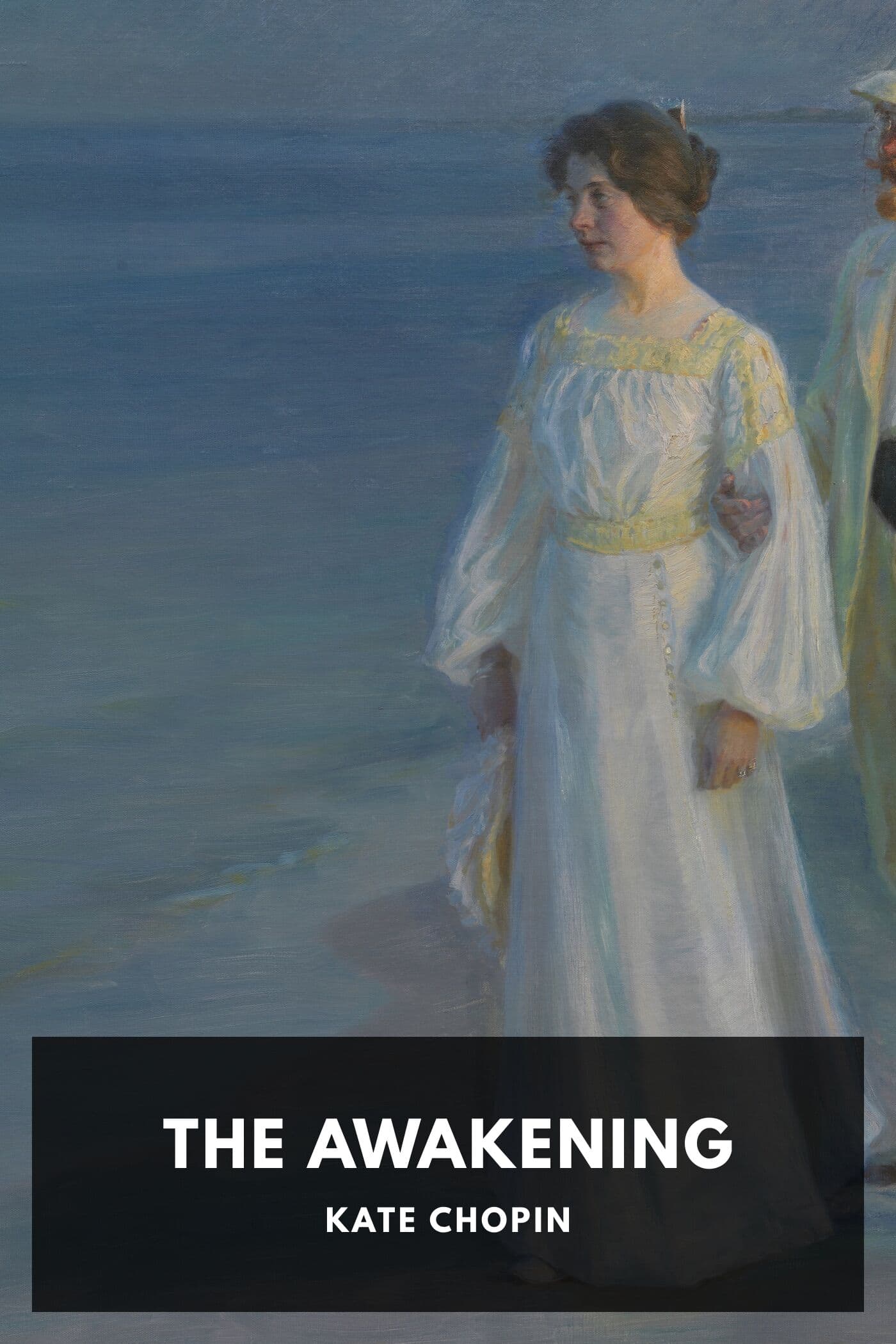
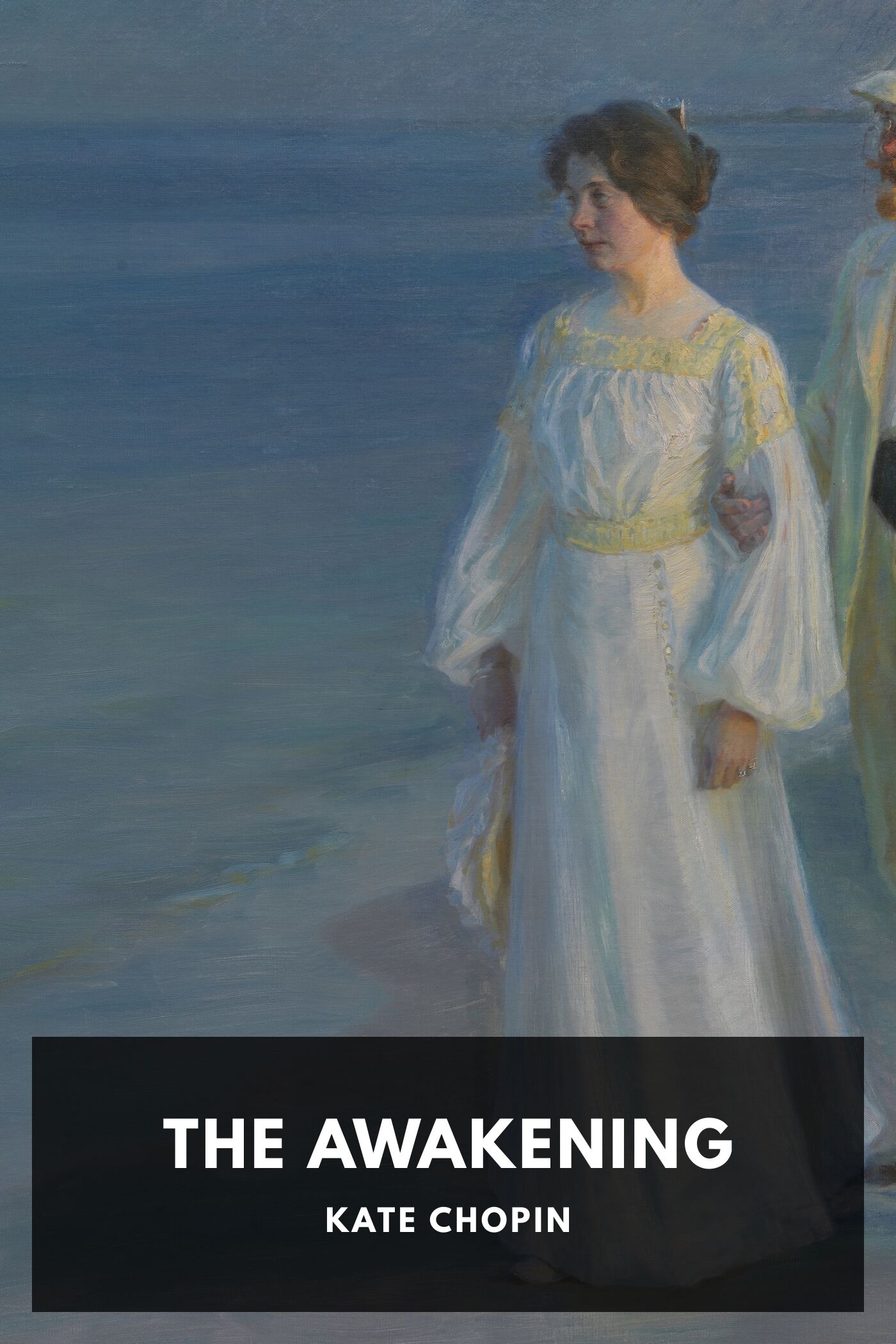
The Awakening
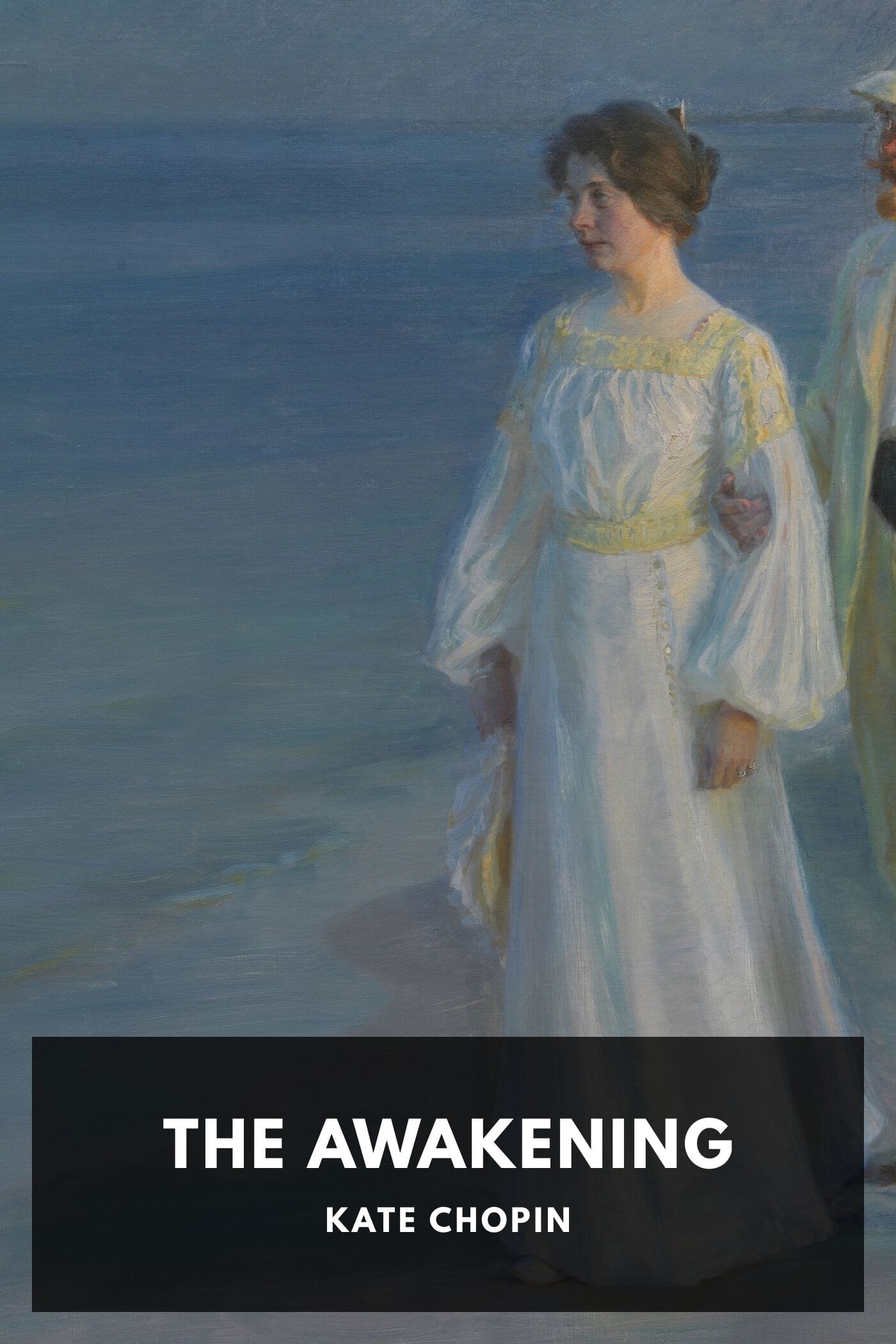
Kate Chopin's fin-de-siècle masterpiece plunges into the burgeoning consciousness of Edna Pontellier, a woman shackled by the genteel expectations of late 19th-century New Orleans society. While vacationing on Grand Isle, an intoxicating summer flirtation awakens a sensual and intellectual hunger she can no longer suppress. Returning to her stifling domestic life, Edna begins to shed the roles of dutiful wife and mother, embarking on a defiant quest for artistic and personal freedom that inevitably clashes with the rigid moral strictures of her era. Controversial upon its 1899 publication, this proto-feminist novel was condemned for its frank portrayal of female desire and a mother's ambivalence, effectively ending Chopin's career. Rediscovered and celebrated in the 1960s, *The Awakening* now stands as a foundational text in American literature, a haunting and prescient examination of autonomy, artistic expression, and the suffocating societal pressures that still resonate with modern readers.
Editions


X-Ray
A 28-year-old married woman experiencing a profound awakening to her own desires and identity. She struggles against societal expectations and her roles as wife and mother.
Edna's husband, a successful businessman who views his wife as property. He represents conventional society and patriarchal expectations.
A young man who becomes Edna's romantic obsession. He awakens her to love but ultimately cannot break free from social conventions.
Edna's friend who embodies the ideal of Victorian motherhood and wifehood. Beautiful, devoted to her family, and represents what society expects of women.
About The Awakening
Chapter Summaries
- 1
- At Grand Isle, Léonce Pontellier reads while annoyed by chattering birds. Edna returns from the beach with Robert Lebrun, and Léonce criticizes her sunburn, treating her like property.
- 2
- Edna and Robert chat intimately on the porch, discussing their backgrounds and his plans to go to Mexico. Their easy companionship and mutual interest is established.
- 3
- Léonce returns late from gambling, wakes Edna, and accuses her of neglecting their sick child. Edna cries alone on the porch, feeling oppressed and misunderstood.
Key Themes
- Individual Freedom vs. Social Constraints
- The novel explores the tension between personal desires and societal expectations, particularly for women in the 1890s. Edna's journey represents the struggle for self-determination against restrictive social norms.
- Motherhood and Female Identity
- Chopin examines the conflict between motherhood as social duty and individual selfhood. Edna refuses to sacrifice herself for her children, challenging the Victorian ideal of self-effacing motherhood.
- Sexual Awakening and Desire
- The novel frankly portrays female sexuality and desire, revolutionary for its time. Edna's physical and emotional awakening drives much of the plot and her ultimate rebellion.
Characters
- Edna Pontellier(protagonist)
- A 28-year-old married woman experiencing a profound awakening to her own desires and identity. She struggles against societal expectations and her roles as wife and mother.
- Léonce Pontellier(major)
- Edna's husband, a successful businessman who views his wife as property. He represents conventional society and patriarchal expectations.
- Robert Lebrun(major)
- A young man who becomes Edna's romantic obsession. He awakens her to love but ultimately cannot break free from social conventions.
- Adèle Ratignolle(major)
- Edna's friend who embodies the ideal of Victorian motherhood and wifehood. Beautiful, devoted to her family, and represents what society expects of women.
- Mademoiselle Reisz(major)
- An eccentric, unmarried pianist who lives independently. She serves as Edna's artistic mentor and represents the path of the unconventional woman.
- Alcée Arobin(major)
- A charming rake who becomes Edna's lover. He represents physical passion without emotional depth or commitment.
Link to this book
Add a free, dofollow link to Lex on your blog, forum, syllabus, or reading list.

<a href="https://lex-books.com/book/the-awakening-480f3037-c0e4-4151-973a-3724deb908a7"><img src="https://lex-books.com/badges/read-on-lex.svg" alt="Read The Awakening by Kate Chopin free on Lex" width="160" height="40"></a>[](https://lex-books.com/book/the-awakening-480f3037-c0e4-4151-973a-3724deb908a7)[url=https://lex-books.com/book/the-awakening-480f3037-c0e4-4151-973a-3724deb908a7][img]https://lex-books.com/badges/read-on-lex.svg[/img][/url]Read The Awakening by Kate Chopin free on Lex: https://lex-books.com/book/the-awakening-480f3037-c0e4-4151-973a-3724deb908a7Cite this book
Reading this edition for a paper or guide? Copy a citation.
Chopin, Kate. The Awakening. Lex, lex-books.com/book/the-awakening-480f3037-c0e4-4151-973a-3724deb908a7.Chopin, K. (n.d.). The Awakening. Lex. https://lex-books.com/book/the-awakening-480f3037-c0e4-4151-973a-3724deb908a7Chopin, Kate. The Awakening. Lex. https://lex-books.com/book/the-awakening-480f3037-c0e4-4151-973a-3724deb908a7.