The Ascent of the Matterhorn
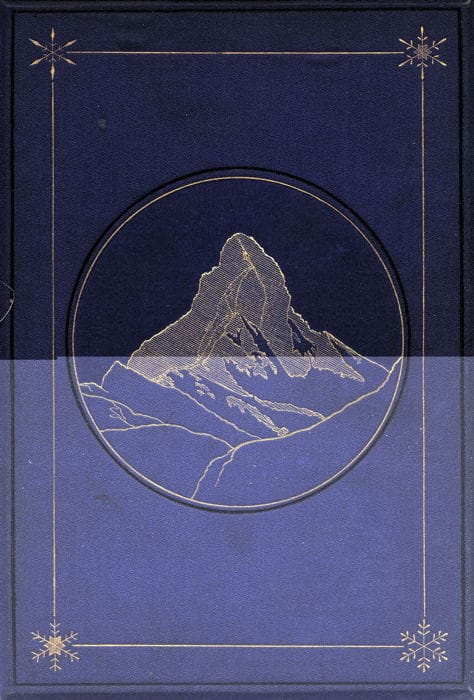
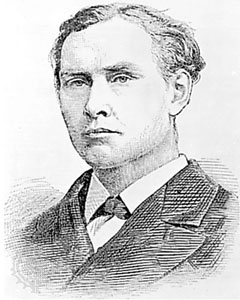
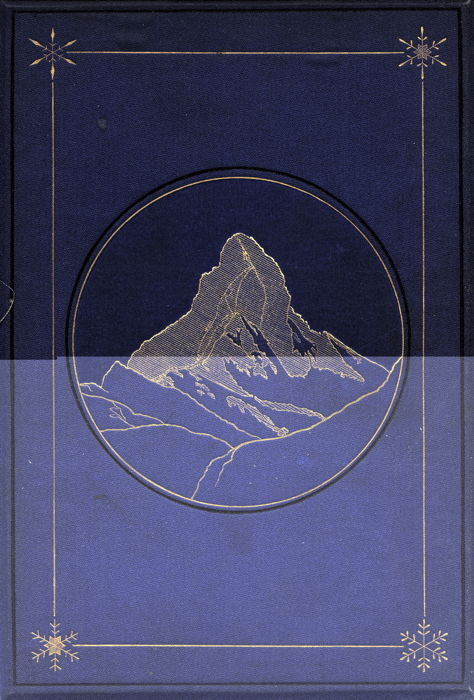
The Matterhorn was the last great Alpine peak to fall, and when it finally did in July 1865, the world gasped not in triumph but in horror. Edward Whymper, a twenty-five-year-old printer with no formal mountaineering credentials, had solved one of geography's greatest puzzles: he stood on the summit. But the descent would seal his name in infamy. A rope snapped. Four men fell to their deaths on the mountain's Swiss face. Of one victim, Lord Francis Douglas, nothing remained but a shoe, a pair of gloves, and a coat sleeve. Whymper emerged alive, but he would never escape the shadow of what happened on those slopes. This is the story of how an obscure tradesman became the most famous climber in the Victorian world and how victory curdled into catastrophe. It is also a portrait of an age obsessed with conquest, whether of African interior, Antarctic wasteland, or Alpine summit. The controversy over who or what caused the disaster continues to spark debate more than a century later.