The Analogy of Religion to the Constitution and Course of Nature: To Which Are Added Two Brief Dissertations: I. on Personal Identity. II. on the Nature of Virtue.
1736
The Analogy of Religion to the Constitution and Course of Nature: To Which Are Added Two Brief Dissertations: I. on Personal Identity. II. on the Nature of Virtue.
1736
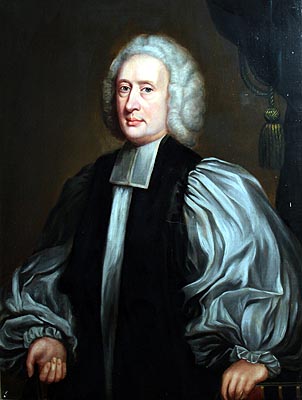
One of the most rigorous defenses of Christianity ever written, Butler's 1736 masterpiece argues that the very structure of nature itself provides compelling evidence for religious truth. By drawing careful analogies between the natural world's discernible laws and the moral governance of the divine, Butler mounts a devastating philosophical assault on the deism popular in his day. He demonstrates that just as we trust the ordinary operations of nature without complete comprehension, we may reasonably trust in divine revelation despite its mysteries. The work is notably humble in its epistemological ambitions: Butler acknowledges that language is 'inadequate, ambiguous, liable to infinite abuse,' yet contends that reason, properly exercised, leads inevitably toward religious belief. Two substantial dissertations round out the volume: one on personal identity and consciousness, another on the fundamental nature of virtue. This is not polemic but philosophy at its most exacting, written by a man who would become Bishop of Durham and whose arguments still merit engagement nearly three centuries later. For anyone interested in the intellectual history of religious thought, the emergence of natural theology, or the sophisticated alternatives to both blind faith and dismissive skepticism.
Editions
Link to this book
Add a free, dofollow link to Lex on your blog, forum, syllabus, or reading list.

<a href="https://lex-books.com/book/the-analogy-of-religion-to-the-constitution-and-course-of-nature-to-which-are-ad-36f8c93a-d0bf-43c8-8795-01ee55372f0c"><img src="https://lex-books.com/badges/read-on-lex.svg" alt="Read The Analogy of Religion to the Constitution and Course of Nature: To Which Are Added Two Brief Dissertations: I. on Personal Identity. II. on the Nature of Virtue. by Joseph Butler free on Lex" width="160" height="40"></a>[](https://lex-books.com/book/the-analogy-of-religion-to-the-constitution-and-course-of-nature-to-which-are-ad-36f8c93a-d0bf-43c8-8795-01ee55372f0c)[url=https://lex-books.com/book/the-analogy-of-religion-to-the-constitution-and-course-of-nature-to-which-are-ad-36f8c93a-d0bf-43c8-8795-01ee55372f0c][img]https://lex-books.com/badges/read-on-lex.svg[/img][/url]Read The Analogy of Religion to the Constitution and Course of Nature: To Which Are Added Two Brief Dissertations: I. on Personal Identity. II. on the Nature of Virtue. by Joseph Butler free on Lex: https://lex-books.com/book/the-analogy-of-religion-to-the-constitution-and-course-of-nature-to-which-are-ad-36f8c93a-d0bf-43c8-8795-01ee55372f0cCite this book
Reading this edition for a paper or guide? Copy a citation.
Butler, Joseph. The Analogy of Religion to the Constitution and Course of Nature: To Which Are Added Two Brief Dissertations: I. on Personal Identity. II. on the Nature of Virtue.. Lex, lex-books.com/book/the-analogy-of-religion-to-the-constitution-and-course-of-nature-to-which-are-ad-36f8c93a-d0bf-43c8-8795-01ee55372f0c.Butler, J. (1736). The Analogy of Religion to the Constitution and Course of Nature: To Which Are Added Two Brief Dissertations: I. on Personal Identity. II. on the Nature of Virtue.. Lex. https://lex-books.com/book/the-analogy-of-religion-to-the-constitution-and-course-of-nature-to-which-are-ad-36f8c93a-d0bf-43c8-8795-01ee55372f0cButler, Joseph. The Analogy of Religion to the Constitution and Course of Nature: To Which Are Added Two Brief Dissertations: I. on Personal Identity. II. on the Nature of Virtue.. Lex. https://lex-books.com/book/the-analogy-of-religion-to-the-constitution-and-course-of-nature-to-which-are-ad-36f8c93a-d0bf-43c8-8795-01ee55372f0c.