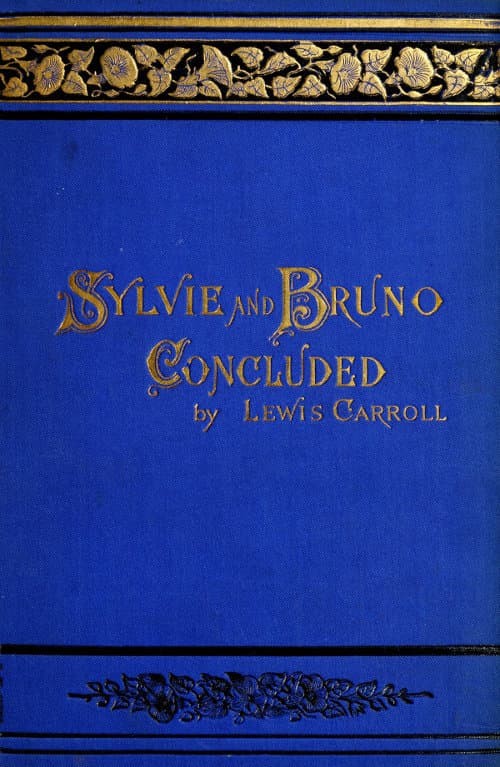
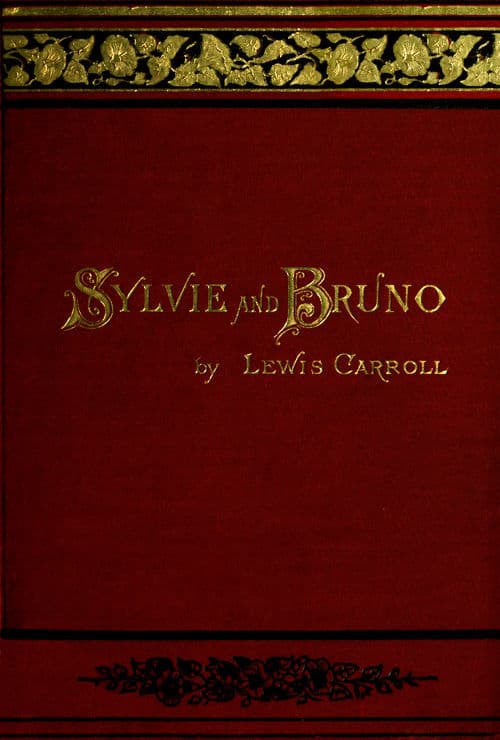
Sylvie and Bruno Concluded
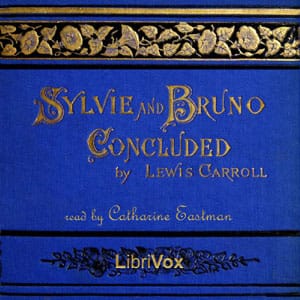
What if the boundary between fairyland and our world were thin enough to bleed through? Carroll's final masterpiece interleaves two narratives: the whimsical fairy tale of Sylvie and Bruno, with their philosophical games and enchanted companions, and the mortal story of Lady Muriel and Arthur, a romance wrapped in Victorian propriety and spiritual longing. The fairy children wander between worlds, sometimes appearing to the narrator in dreams, sometimes walking unnoticed through London's streets. But this is not the manic Wonderland logic of Alice; it is something stranger and quieter, a book about faith and doubt, about what it means to love someone you cannot quite reach, about the afterlife and the nature of God. Carroll's famous nonsense and logical puzzles still sparkle, but they serve a deeper purpose now, to illuminate the irrationalities of the human heart. The novel culminates in questions of death and transcendence that Carroll had been circling his entire life. It is gentler than Alice, more didactic, sometimes uneven, but in its best moments, it achieves a haunting, melancholy beauty all its own.
Editions

Link to this book
Add a free, dofollow link to Lex on your blog, forum, syllabus, or reading list.

<a href="https://lex-books.com/book/sylvie-and-bruno-concluded-0f8a9eeb-4412-4bd2-90f2-3a29427f3851"><img src="https://lex-books.com/badges/read-on-lex.svg" alt="Read Sylvie and Bruno Concluded by Lewis Carroll free on Lex" width="160" height="40"></a>[](https://lex-books.com/book/sylvie-and-bruno-concluded-0f8a9eeb-4412-4bd2-90f2-3a29427f3851)[url=https://lex-books.com/book/sylvie-and-bruno-concluded-0f8a9eeb-4412-4bd2-90f2-3a29427f3851][img]https://lex-books.com/badges/read-on-lex.svg[/img][/url]Read Sylvie and Bruno Concluded by Lewis Carroll free on Lex: https://lex-books.com/book/sylvie-and-bruno-concluded-0f8a9eeb-4412-4bd2-90f2-3a29427f3851Cite this book
Reading this edition for a paper or guide? Copy a citation.
Carroll, Lewis. Sylvie and Bruno Concluded. Lex, lex-books.com/book/sylvie-and-bruno-concluded-0f8a9eeb-4412-4bd2-90f2-3a29427f3851.Carroll, L. (n.d.). Sylvie and Bruno Concluded. Lex. https://lex-books.com/book/sylvie-and-bruno-concluded-0f8a9eeb-4412-4bd2-90f2-3a29427f3851Carroll, Lewis. Sylvie and Bruno Concluded. Lex. https://lex-books.com/book/sylvie-and-bruno-concluded-0f8a9eeb-4412-4bd2-90f2-3a29427f3851.