Stilpe. Ein Roman aus der Froschperspektive

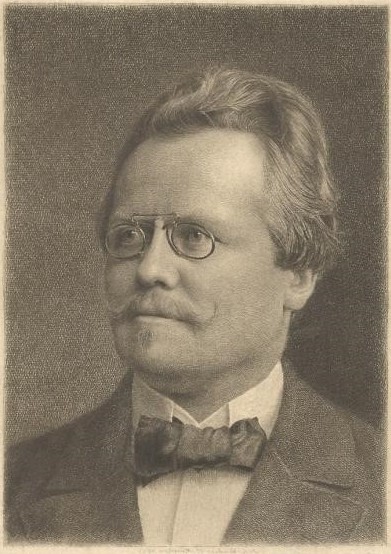
Otto Julius Bierbaum's 1897 masterpiece inverted the German novel of formation entirely, replacing growth with decay, idealism with cynicism, and redemption with a sardonic shrug. Willibald Stilpe begins as an eager student, drifts into revolutionary fervor, settles into criticism, and ends as a minor poet performing his own demise on a tiny, forgotten stage. The frog's perspective of the title is key: this is literature viewed from the swamp, from beneath, from the vantage point of those who watched the grand narratives of 19th-century German culture collapse into bourgeois mediocrity. Bierbaum's tragicomedy of artistic failure prefigures everything that German Expressionism and cabaret would later perfect. It is the ur-text of the disabused intellectual, the writer who knows his work matters only to himself, who celebrates his own irrelevance with a clarity that stings. The book that birthed Überbrettl remains startlingly modern: its dark humor, its refusal of uplift, its insistence that failure can be its own kind of integrity.
Editions

Read by
Group Narration
2 readers
Stephanie König, Wolfgang
Link to this book
Add a free, dofollow link to Lex on your blog, forum, syllabus, or reading list.

<a href="https://lex-books.com/book/stilpe-ein-roman-aus-der-froschperspektive-1330268f-c324-4723-b755-e986753e10cc"><img src="https://lex-books.com/badges/read-on-lex.svg" alt="Read Stilpe. Ein Roman aus der Froschperspektive by Otto Julius Bierbaum free on Lex" width="160" height="40"></a>[](https://lex-books.com/book/stilpe-ein-roman-aus-der-froschperspektive-1330268f-c324-4723-b755-e986753e10cc)[url=https://lex-books.com/book/stilpe-ein-roman-aus-der-froschperspektive-1330268f-c324-4723-b755-e986753e10cc][img]https://lex-books.com/badges/read-on-lex.svg[/img][/url]Read Stilpe. Ein Roman aus der Froschperspektive by Otto Julius Bierbaum free on Lex: https://lex-books.com/book/stilpe-ein-roman-aus-der-froschperspektive-1330268f-c324-4723-b755-e986753e10ccCite this book
Reading this edition for a paper or guide? Copy a citation.
Bierbaum, Otto Julius. Stilpe. Ein Roman aus der Froschperspektive. Lex, lex-books.com/book/stilpe-ein-roman-aus-der-froschperspektive-1330268f-c324-4723-b755-e986753e10cc.Bierbaum, O. J. (n.d.). Stilpe. Ein Roman aus der Froschperspektive. Lex. https://lex-books.com/book/stilpe-ein-roman-aus-der-froschperspektive-1330268f-c324-4723-b755-e986753e10ccBierbaum, Otto Julius. Stilpe. Ein Roman aus der Froschperspektive. Lex. https://lex-books.com/book/stilpe-ein-roman-aus-der-froschperspektive-1330268f-c324-4723-b755-e986753e10cc.