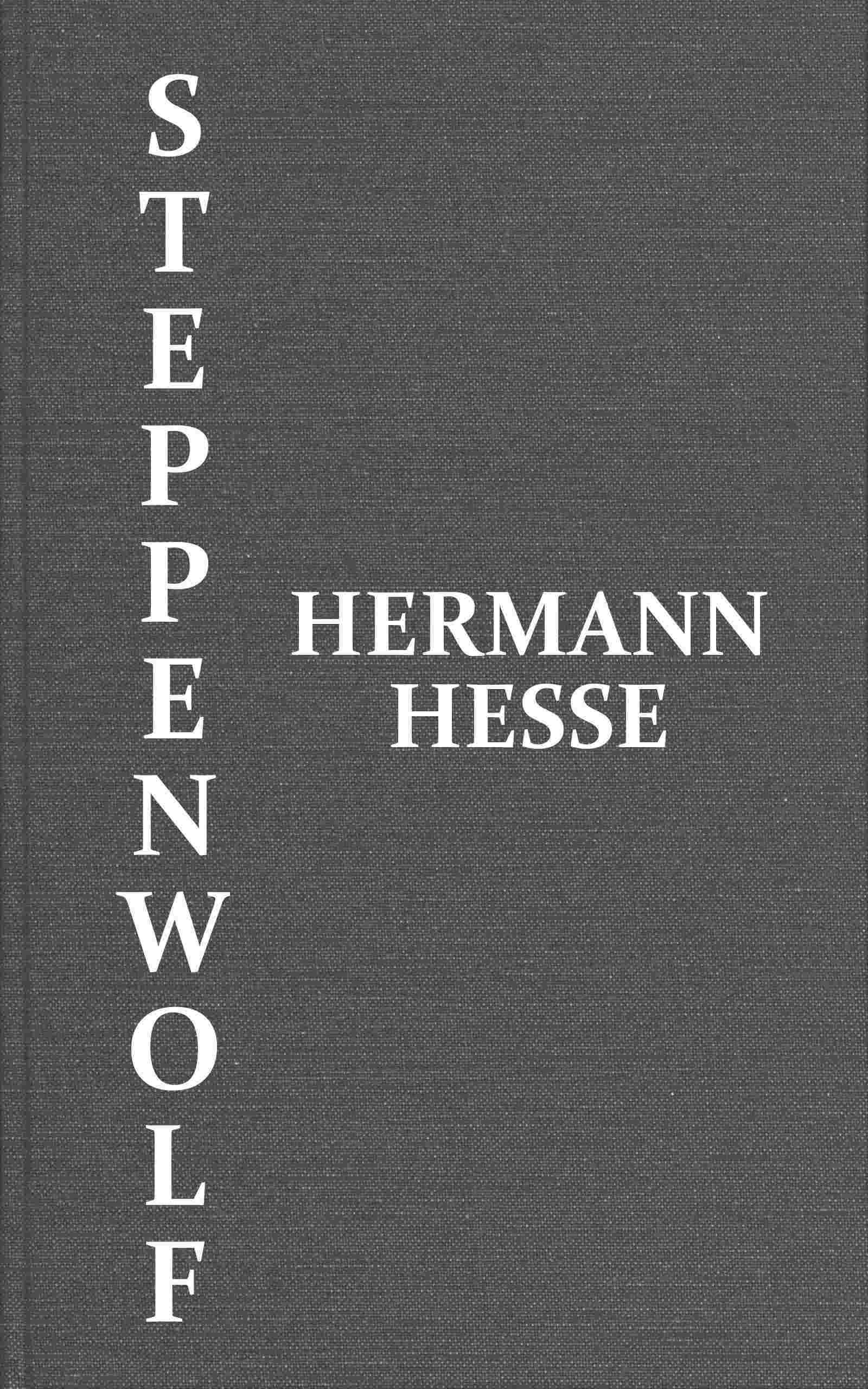
Steppenwolf
1927
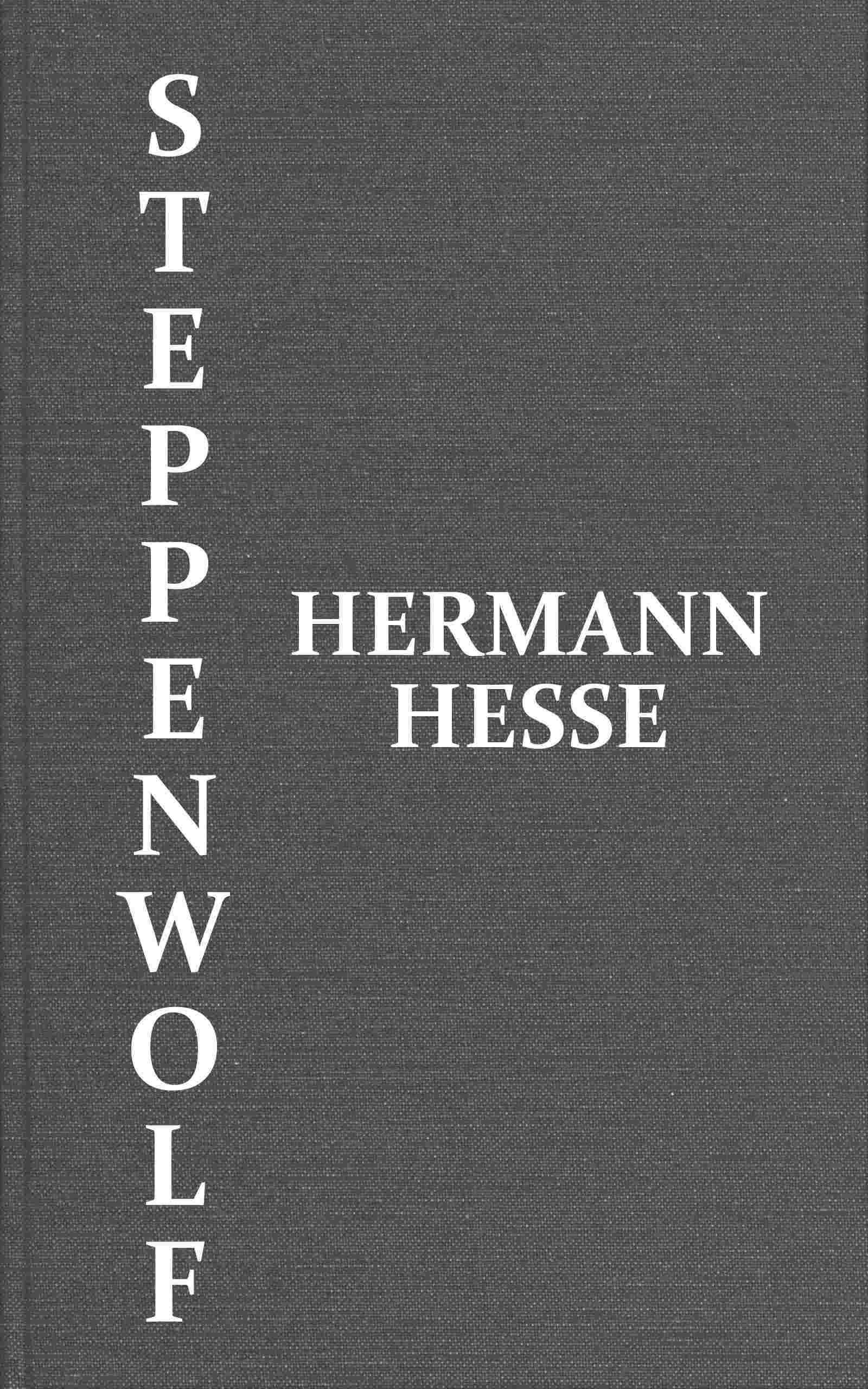
Some books arrive like diagnoses. Steppenwolf is the portrait of a man at war with himself, a middle-aged intellectual named Harry Haller who has convinced himself he is half-human, half-wolf. Not literally, of course. The wolf is his hunger, his loneliness, the thing that howls in him and cannot be tamed by bourgeois comfort or polite society. Hesse wrote this during his own spiritual crisis, and the novel burns with that desperate clarity. The story follows a single day in Haller's life: the routines, the alienation, the creeping certainty that he has no place among ordinary people. Then comes the sign, glimpsed in a forgotten alley, Magic Theatre, For Madmen Only, Not For Everybody, and something cracks open. What follows is part hallucination, part reckoning, a descent into the self that is both terrifying and strangely hopeful. The novel endures because it maps the fractured modern soul, speaking to anyone who has ever felt divided against themselves, too much and not enough.
Editions

X-Ray
“Solitude is independence. It had been my wish and with the years I had attained it. It was cold. Oh, cold enough! But it was also still, wonderfully still and vast like the cold stillness of space in which the stars revolve.””
— Hermann Hesse
“You are willing to die, you coward, but not to live.””
— Hermann Hesse
“There is no reality except the one contained within us. That is why so many people live such an unreal life. They take the images outside of them for reality and never allow the world within to assert itself.””
— Hermann Hesse
“In eternity there is no time, only an instant long enough for a joke.””
— Hermann Hesse
“For what I always hated and detested and cursed above all things was this contentment, this healthiness and comfort, this carefully preserved optimism of the middle classes, this fat and prosperous brood of mediocrity.””
— Hermann Hesse
“When I have neither pleasure nor pain and have been breathing for a while the lukewarm insipid air of these so called good and tolerable days, I feel so bad in my childish soul that I smash my moldering lyre of thanksgiving in the face of the slumbering god of contentment and would rather feel the very devil burn in me than this warmth of a well-heated room. A wild longing for strong emotions and sensations seethes in me, a rage against this toneless, flat, normal and sterile life. I have a mad impulse to smash something, a warehouse, perhaps, or a cathedral, or myself, to commit outrages, to pull off the wigs of a few revered idols...””
— Hermann Hesse
“Most men will not swim before they are able to.” Is that not witty? Naturally, they won't swim! They are born for the solid earth, not for the water. And naturally they wont think. They are made for life, not for thought. Yes, and he who thinks, what’s more, he who makes thought his business, he may go far in it, but he has bartered the solid earth for the water all the same, and one day he will drown.””
— Hermann Hesse
“I am in truth the Steppenwolf that I often call myself; that beast astray that finds neither home nor joy nor nourishment in a world that is strange and incomprehensible to him.””
— Hermann Hesse
“A wild longing for strong emotions and sensations seethes in me, a rage against this toneless, flat, normal and sterile life. I have a mad impulse to smash something, a warehouse perhaps, or a cathedral, or myself, to committ outrages...””
— Hermann Hesse
Link to this book
Add a free, dofollow link to Lex on your blog, forum, syllabus, or reading list.

<a href="https://lex-books.com/book/steppenwolf-cddb733a-3587-4ab8-8cc1-bff7aca9256d"><img src="https://lex-books.com/badges/read-on-lex.svg" alt="Read Steppenwolf by Hermann Hesse free on Lex" width="160" height="40"></a>[](https://lex-books.com/book/steppenwolf-cddb733a-3587-4ab8-8cc1-bff7aca9256d)[url=https://lex-books.com/book/steppenwolf-cddb733a-3587-4ab8-8cc1-bff7aca9256d][img]https://lex-books.com/badges/read-on-lex.svg[/img][/url]Read Steppenwolf by Hermann Hesse free on Lex: https://lex-books.com/book/steppenwolf-cddb733a-3587-4ab8-8cc1-bff7aca9256dCite this book
Reading this edition for a paper or guide? Copy a citation.
Hesse, Hermann. Steppenwolf. Lex, lex-books.com/book/steppenwolf-cddb733a-3587-4ab8-8cc1-bff7aca9256d.Hesse, H. (1927). Steppenwolf. Lex. https://lex-books.com/book/steppenwolf-cddb733a-3587-4ab8-8cc1-bff7aca9256dHesse, Hermann. Steppenwolf. Lex. https://lex-books.com/book/steppenwolf-cddb733a-3587-4ab8-8cc1-bff7aca9256d.