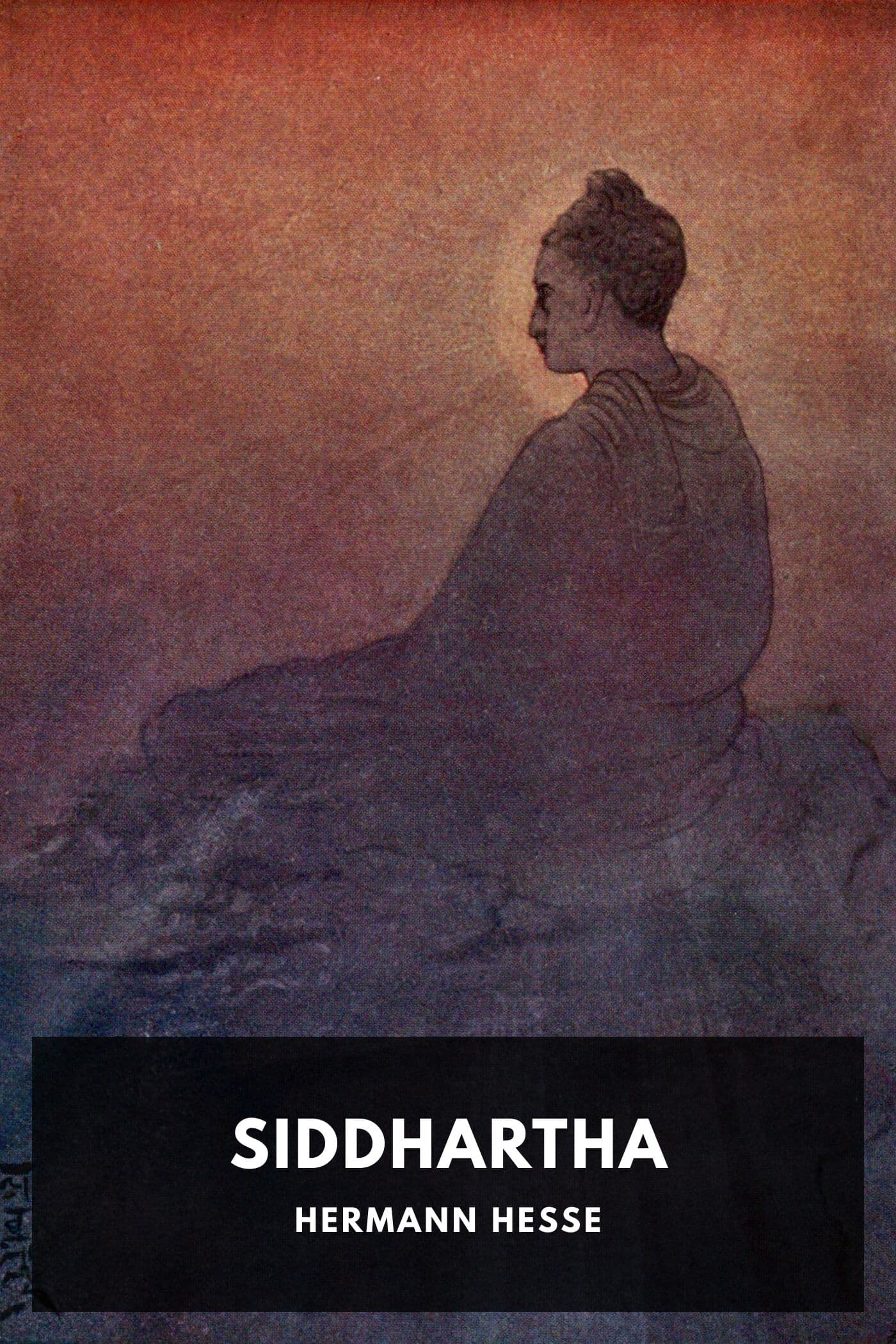
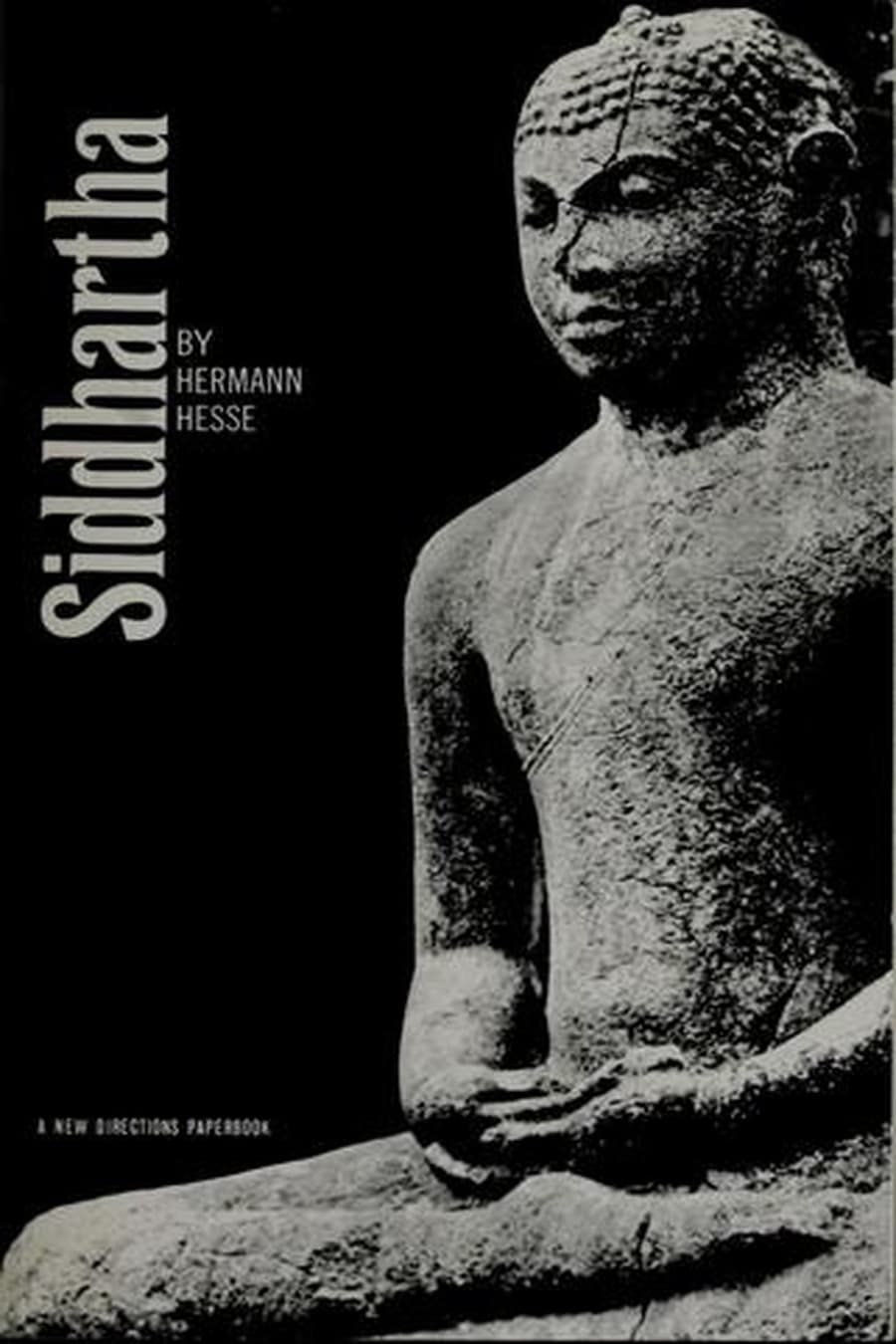
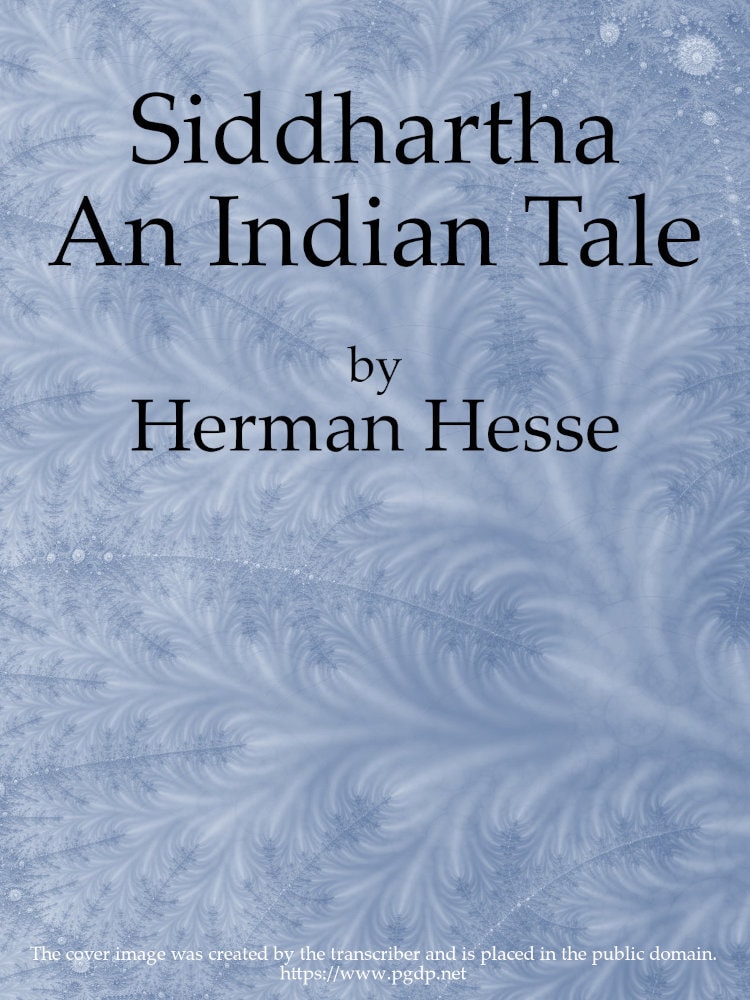
Siddhartha
1922
Siddhartha is a young Brahman with everything: intelligence, privilege, the love of his family. Yet he feels a hollow place inside that ritual and devotion cannot fill. So he abandons his father's house to wander India in search of something real. He joins the ascetic Samanas, starves in the forest, learns to still his mind. He sits at the Buddha's feet. He falls into the arms of a beautiful courtesan and loses himself in commerce. He accumulates wealth and pleasure, only to discover they leave him more empty than before. What follows is a reckoning by the river, a silent listening that finally teaches him what all the teachers and texts could not: that enlightenment is not something to be grasped, but something that happens when you stop striving. Almost a century old, Siddhartha remains the clearest map we have of the entire territory of longing: tradition and rebellion, discipline and surrender, the hunger for meaning and the strange peace that comes when you finally release even that hunger. It is for anyone who has ever felt the vertigo of having everything and nothing.
Editions


X-Ray
“Wisdom cannot be imparted. Wisdom that a wise man attempts to impart always sounds like foolishness to someone else ... Knowledge can be communicated, but not wisdom. One can find it, live it, do wonders through it, but one cannot communicate and teach it.””
— Hermann Hesse
“When someone seeks," said Siddhartha, "then it easily happens that his eyes see only the thing that he seeks, and he is able to find nothing, to take in nothing because he always thinks only about the thing he is seeking, because he has one goal, because he is obsessed with his goal. Seeking means: having a goal. But finding means: being free, being open, having no goal.””
— Hermann Hesse
“It is not for me to judge another man's life. I must judge, I must choose, I must spurn, purely for myself. For myself, alone.””
— Hermann Hesse
“I have always believed, and I still believe, that whatever good or bad fortune may come our way we can always give it meaning and transform it into something of value.””
— Hermann Hesse
“I have had to experience so much stupidity, so many vices, so much error, so much nausea, disillusionment and sorrow, just in order to become a child again and begin anew. I had to experience despair, I had to sink to the greatest mental depths, to thoughts of suicide, in order to experience grace.””
— Hermann Hesse
“We are not going in circles, we are going upwards. The path is a spiral; we have already climbed many steps.””
— Hermann Hesse
“What could I say to you that would be of value, except that perhaps you seek too much, that as a result of your seeking you cannot find.””
— Hermann Hesse
“It may be important to great thinkers to examine the world, to explain and despise it. But I think it is only important to love the world, not to despise it, not for us to hate each other, but to be able to regard the world and ourselves and all beings with love, admiration and respect.””
— Hermann Hesse
“So she thoroughly taught him that one cannot take pleasure without giving pleasure, and that every gesture, every caress, every touch, every glance, every last bit of the body has its secret, which brings happiness to the person who knows how to wake it. She taught him that after a celebration of love the lovers should not part without admiring each other, without being conquered or having conquered, so that neither is bleak or glutted or has the bad feeling of being used or misused.””
— Hermann Hesse
Link to this book
Add a free, dofollow link to Lex on your blog, forum, syllabus, or reading list.

<a href="https://lex-books.com/book/siddhartha-b0dda78c-ea4a-4744-b2e7-9c18bca03adc"><img src="https://lex-books.com/badges/read-on-lex.svg" alt="Read Siddhartha by Hermann Hesse free on Lex" width="160" height="40"></a>[](https://lex-books.com/book/siddhartha-b0dda78c-ea4a-4744-b2e7-9c18bca03adc)[url=https://lex-books.com/book/siddhartha-b0dda78c-ea4a-4744-b2e7-9c18bca03adc][img]https://lex-books.com/badges/read-on-lex.svg[/img][/url]Read Siddhartha by Hermann Hesse free on Lex: https://lex-books.com/book/siddhartha-b0dda78c-ea4a-4744-b2e7-9c18bca03adcCite this book
Reading this edition for a paper or guide? Copy a citation.
Hesse, Hermann. Siddhartha. Lex, lex-books.com/book/siddhartha-b0dda78c-ea4a-4744-b2e7-9c18bca03adc.Hesse, H. (1922). Siddhartha. Lex. https://lex-books.com/book/siddhartha-b0dda78c-ea4a-4744-b2e7-9c18bca03adcHesse, Hermann. Siddhartha. Lex. https://lex-books.com/book/siddhartha-b0dda78c-ea4a-4744-b2e7-9c18bca03adc.