School for Greybeards; or, The Mourning Bride
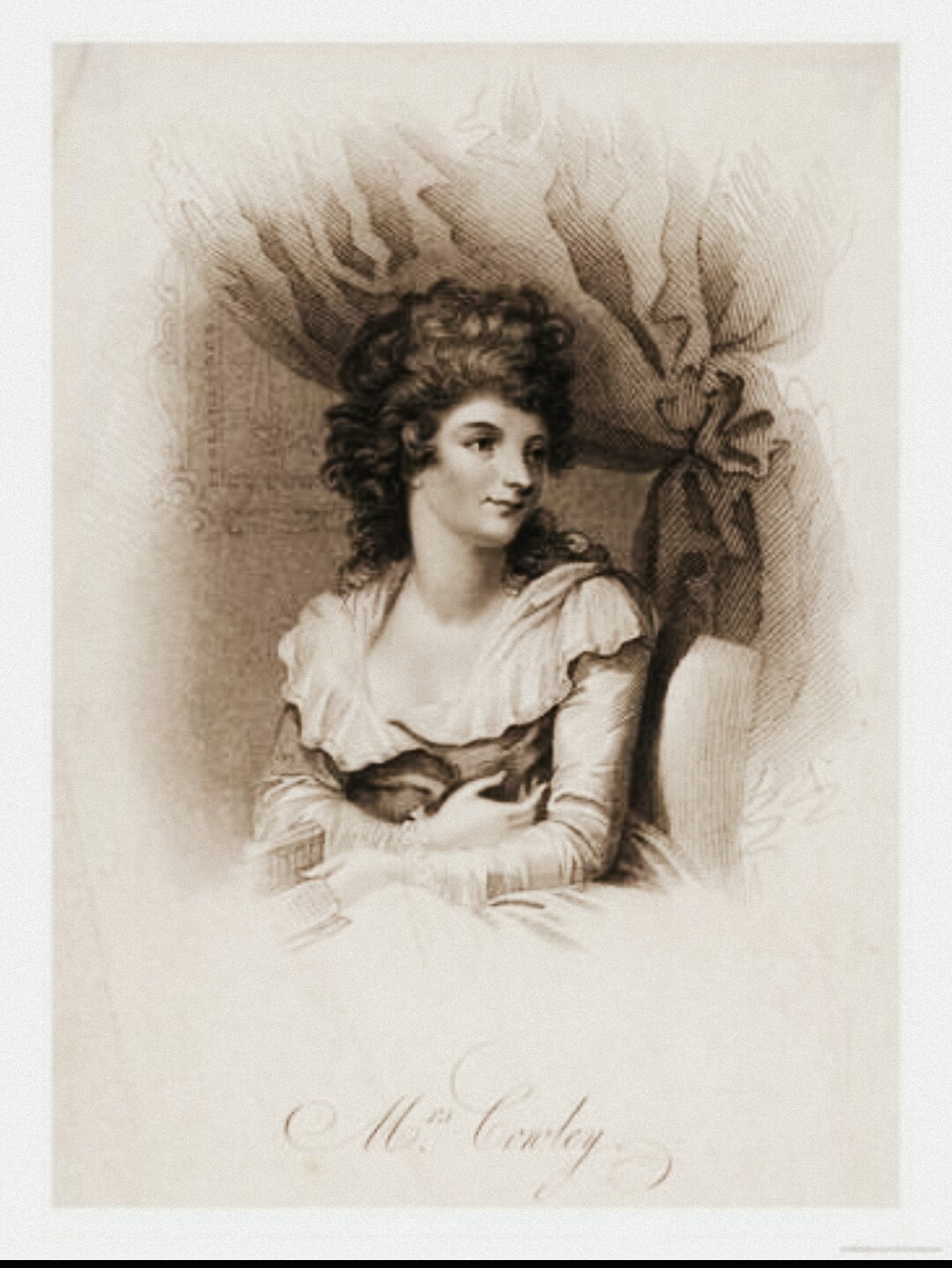
Hannah Cowley wrote this comedy in 1786, a time when female playwrights were rare and often dismissed. She adapted Aphra Behn's "Lucky Chance" (1686), transposing it from London to romantic Portugal in hopes of shielding herself from moral critics who might object to her sharp examination of marriage, desire, and the games people play. It didn't work. The play debuted to hostile audiences determined to discredit it, and Cowley was forced to rewrite sections for subsequent performances. Only in the published edition did she restore her original vision. The comedy centers on older men - "greybeards" - who believe they can control love and marriage as they control their finances and social standing. They're outwitted, romantically embarrassed, and forced to confront their own vanities. Through elaborate schemes and mistaken identities, Cowley examines what women truly want versus what society permits them to want. The "mourning bride" of the title carries genuine emotional weight amidst the comedy - a woman bound by duty yet quietly reclaiming her own desires. Cowley was one of the most successful dramatists of her era, yet history nearly erased her. This play endures because it refuses to let older men or social convention have the last word on love.
Editions

Read by
Group Narration
2 readers
ToddHW, Alan Mapstone, Greg Giordano, Larry Wilson +13 more
Link to this book
Add a free, dofollow link to Lex on your blog, forum, syllabus, or reading list.

<a href="https://lex-books.com/book/school-for-greybeards-or-the-mourning-bride-0696a55c-1d1c-4a62-bec6-13eb9dbb3bf7"><img src="https://lex-books.com/badges/read-on-lex.svg" alt="Read School for Greybeards; or, The Mourning Bride by Hannah Cowley free on Lex" width="160" height="40"></a>[](https://lex-books.com/book/school-for-greybeards-or-the-mourning-bride-0696a55c-1d1c-4a62-bec6-13eb9dbb3bf7)[url=https://lex-books.com/book/school-for-greybeards-or-the-mourning-bride-0696a55c-1d1c-4a62-bec6-13eb9dbb3bf7][img]https://lex-books.com/badges/read-on-lex.svg[/img][/url]Read School for Greybeards; or, The Mourning Bride by Hannah Cowley free on Lex: https://lex-books.com/book/school-for-greybeards-or-the-mourning-bride-0696a55c-1d1c-4a62-bec6-13eb9dbb3bf7Cite this book
Reading this edition for a paper or guide? Copy a citation.
Cowley, Hannah. School for Greybeards; or, The Mourning Bride. Lex, lex-books.com/book/school-for-greybeards-or-the-mourning-bride-0696a55c-1d1c-4a62-bec6-13eb9dbb3bf7.Cowley, H. (n.d.). School for Greybeards; or, The Mourning Bride. Lex. https://lex-books.com/book/school-for-greybeards-or-the-mourning-bride-0696a55c-1d1c-4a62-bec6-13eb9dbb3bf7Cowley, Hannah. School for Greybeards; or, The Mourning Bride. Lex. https://lex-books.com/book/school-for-greybeards-or-the-mourning-bride-0696a55c-1d1c-4a62-bec6-13eb9dbb3bf7.