Atlantis: The Antedeluvian World
1882
The book that invented the modern Atlantis myth. Published in 1882, Ignatius Donnelly's explosive investigation argued that Plato's tale of a drowned continent was not allegory but history. Drawing on comparative mythology, geology, and archaeological parallels across the Americas, Egypt, and Europe, Donnelly claimed Atlantis was the cradle of civilization, a golden age whose destruction by catastrophic volcanic upheaval seeded the world's great cultures with advanced knowledge. The work reads like a 19th-century legal brief, marshaling hundreds of facts with lawyerly confidence. Donnelly traces flood myths from China to Mexico, identifies phonetic similarities between distant languages, and invokes Plato's dialogues as authoritative history. Though modern science has largely disproven his central claims, the book endures because it fulfills something deeper than evidence: the human longing for a lost paradise, a mother culture swallowed by the sea. This is the originating text of every Atlantis novel, film, and conspiracy theory that followed. Read it not as history, but as the birth certificate of a myth that refuses to die.
Editions
X-Ray
“There is an unbelief which grows out of ignorance, as well as a skepticism which is born of intelligence.””
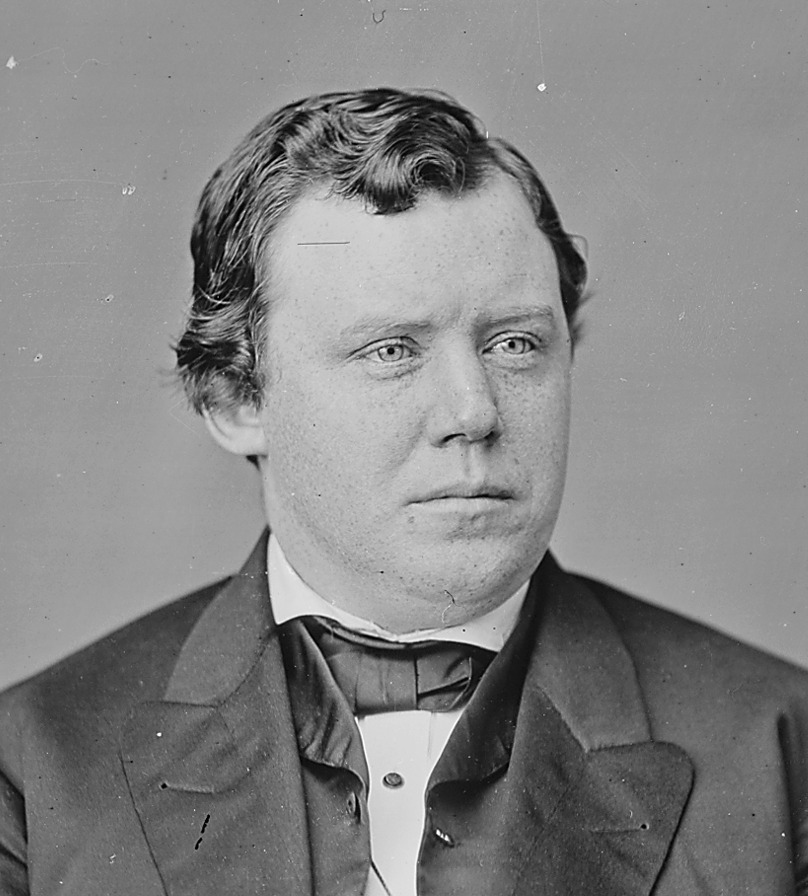
— Ignatius Donnelly
Link to this book
Add a free, dofollow link to Lex on your blog, forum, syllabus, or reading list.

<a href="https://lex-books.com/book/atlantis-the-antedeluvian-world-ac4ea51f-0ed2-46d5-826b-48a639932a2d"><img src="https://lex-books.com/badges/read-on-lex.svg" alt="Read Atlantis: The Antedeluvian World by Ignatius Donnelly free on Lex" width="160" height="40"></a>[](https://lex-books.com/book/atlantis-the-antedeluvian-world-ac4ea51f-0ed2-46d5-826b-48a639932a2d)[url=https://lex-books.com/book/atlantis-the-antedeluvian-world-ac4ea51f-0ed2-46d5-826b-48a639932a2d][img]https://lex-books.com/badges/read-on-lex.svg[/img][/url]Read Atlantis: The Antedeluvian World by Ignatius Donnelly free on Lex: https://lex-books.com/book/atlantis-the-antedeluvian-world-ac4ea51f-0ed2-46d5-826b-48a639932a2dCite this book
Reading this edition for a paper or guide? Copy a citation.
Donnelly, Ignatius. Atlantis: The Antedeluvian World. Lex, lex-books.com/book/atlantis-the-antedeluvian-world-ac4ea51f-0ed2-46d5-826b-48a639932a2d.Donnelly, I. (1882). Atlantis: The Antedeluvian World. Lex. https://lex-books.com/book/atlantis-the-antedeluvian-world-ac4ea51f-0ed2-46d5-826b-48a639932a2dDonnelly, Ignatius. Atlantis: The Antedeluvian World. Lex. https://lex-books.com/book/atlantis-the-antedeluvian-world-ac4ea51f-0ed2-46d5-826b-48a639932a2d.