Plutarch's Lives, Volume 1 (of 4)
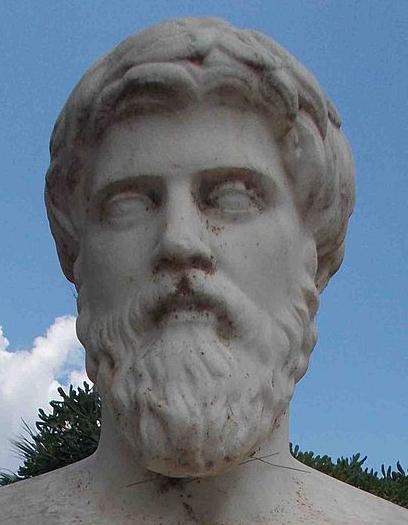
Plutarch invented psychological biography. Before him, history was about events. He asked a different question: what kind of person makes these choices, and what does that choice reveal? The answer lives in these pages. He pairs Greek heroes with Roman counterparts Theseus with Romulus, Pericles with Fabius Maximus not to compare achievements but to illuminate character. What emerges is not the marble monuments of textbook history, but living, breathing people who scheme, doubt, show mercy at strange moments, and make decisions that build empires or shatter them. Plutarch captures the details that reveal the whole person: a general's harsh word to his son, a statesman's private grief, the hesitation before a fateful choice. This is how the West learned to think about character. Shakespeare found his kings here. Moral philosophers found their case studies. You will find something older and more immediate: the recognition that the past was as messy and complicated as our present, populated by people who faced the same questions about duty, power, and who they wanted to become.
Editions

X-Ray
“When someone blamed Hecataeus the sophist because that, being invited to the public table, he had not spoken one word all supper-time, Archidamidas answered in his vindication 'He who knows how to speak, knows also when'.””
— Plutarch
“[Theseus] soon found himself involved in factions and troubles; those who long had hated him had now added to their hatred contempt; and the minds of the people were so generally corrupted, that, instead of obeying commands with silence, they expected to be flattered into their duty.””
— Plutarch
“It was natural for [Spartan women] to think and speak as Gorgo, the wife of Leonidas, is said to have done, when some foreign lady, as it would seem, told her that the women of Lacedaemon were the only women of the world who could rule men; 'With good reason,' she said, 'for we are the only women who bring forth men'.””
— Plutarch
“[The Spartans] ordered the maidens to exercise themselves with wrestling, running, throwing the quoit, and casting the dart, to the end that the fruit they conceived might, in strong and healthy bodies, take firmer root and find better growth, and withal that they, with this greater vigour, might be the more able to undergo the pains of childbearing.””
— Plutarch
“These things sensibly affected Theseus, who, thinking it but just not to disregard, but rather partake of, the sufferings of his fellow citizens, offered himself for one without any lot. All else were struck with admiration for the nobleness and with love for the goodness of the act.””
— Plutarch
“Lycurgus was of opinion that ornaments were so far from advantaging them in their counsels, that they were rather an hindrance, by diverting their attention from the business before them to statues and pictures, and roofs curiously fretted, the usual embellishments of such places amongst the other Greeks.””
— Plutarch
“Demaratus, being asked in a troublesome manner by an importunate fellow, Who was the best man in Lacedaemon? answered at last, 'He, Sir, that is the least like you'.””
— Plutarch
“Being consulted again whether it were requisite to enclose the city with a wall, [Lycurgus] sent them word, 'The city is well fortified which hath a wall of men instead of brick'.””
— Plutarch
“Nor had the cities of Sicily any trust in him, as they were in great distress, and greatly exasperated against those who pretended to lead armies to their succour, on account of the treachery of Kallippus and Pharax; who, one an Athenian and the other a Lacedaemonian, but both giving out that they were come to fight for freedom and to put down despotism, did so tyrannise themselves, that the reign of the despots in Sicily seemed to have been a golden age, and those who died in slavery were thought more happy than those who lived to see liberty.””
— Plutarch
Link to this book
Add a free, dofollow link to Lex on your blog, forum, syllabus, or reading list.

<a href="https://lex-books.com/book/plutarch-s-lives-volume-1-of-4-9c45dc4a-310b-449e-a6e5-082a190c1f44"><img src="https://lex-books.com/badges/read-on-lex.svg" alt="Read Plutarch's Lives, Volume 1 (of 4) by Plutarch free on Lex" width="160" height="40"></a>[](https://lex-books.com/book/plutarch-s-lives-volume-1-of-4-9c45dc4a-310b-449e-a6e5-082a190c1f44)[url=https://lex-books.com/book/plutarch-s-lives-volume-1-of-4-9c45dc4a-310b-449e-a6e5-082a190c1f44][img]https://lex-books.com/badges/read-on-lex.svg[/img][/url]Read Plutarch's Lives, Volume 1 (of 4) by Plutarch free on Lex: https://lex-books.com/book/plutarch-s-lives-volume-1-of-4-9c45dc4a-310b-449e-a6e5-082a190c1f44Cite this book
Reading this edition for a paper or guide? Copy a citation.
Plutarch. Plutarch's Lives, Volume 1 (of 4). Lex, lex-books.com/book/plutarch-s-lives-volume-1-of-4-9c45dc4a-310b-449e-a6e5-082a190c1f44.Plutarch (n.d.). Plutarch's Lives, Volume 1 (of 4). Lex. https://lex-books.com/book/plutarch-s-lives-volume-1-of-4-9c45dc4a-310b-449e-a6e5-082a190c1f44Plutarch. Plutarch's Lives, Volume 1 (of 4). Lex. https://lex-books.com/book/plutarch-s-lives-volume-1-of-4-9c45dc4a-310b-449e-a6e5-082a190c1f44.