Persians (version 2)
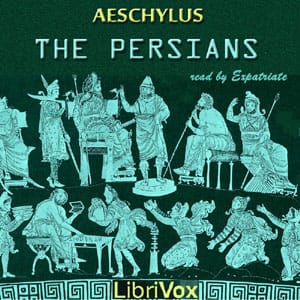
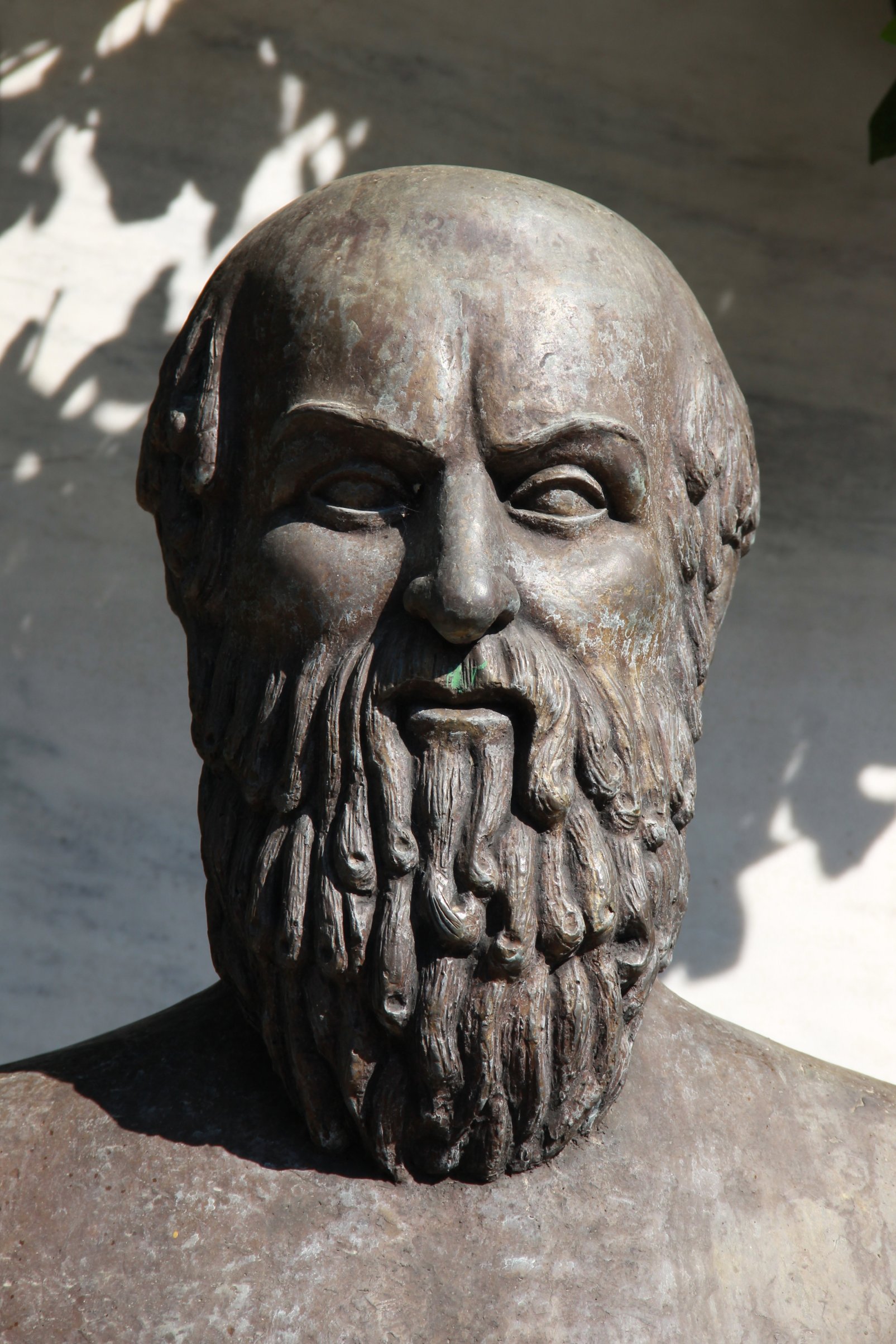
The oldest surviving tragedy in Western literature takes an astonishing risk: it dramatizes defeat. Aeschylus, who likely fought at Salamis, turns his gaze toward the Persian court and asks the audience to feel the weight of imperial collapse from the other side. The play unfolds in Susa as the Persian elders gather, waiting for word of Xerxes' invasion. When the messenger arrives with news of catastrophic naval loss, the mourning begins. The ghost of Darius rises to explain the catastrophe - hubris, the bridge across the Hellespont, the Greeks' cunning at the narrow strait. Xerxes himself appears in tattered garments, a ruined king. What emerges is not simple victory celebration but something far more unsettling: a meditation on how empires consume themselves, how pride becomes punishment, how the victors' glory is measured in the losers' grief.
Editions


Link to this book
Add a free, dofollow link to Lex on your blog, forum, syllabus, or reading list.

<a href="https://lex-books.com/book/persians-version-2-31d6187a-cc08-4757-873c-87f9082c4314"><img src="https://lex-books.com/badges/read-on-lex.svg" alt="Read Persians (version 2) by Aeschylus free on Lex" width="160" height="40"></a>[](https://lex-books.com/book/persians-version-2-31d6187a-cc08-4757-873c-87f9082c4314)[url=https://lex-books.com/book/persians-version-2-31d6187a-cc08-4757-873c-87f9082c4314][img]https://lex-books.com/badges/read-on-lex.svg[/img][/url]Read Persians (version 2) by Aeschylus free on Lex: https://lex-books.com/book/persians-version-2-31d6187a-cc08-4757-873c-87f9082c4314Cite this book
Reading this edition for a paper or guide? Copy a citation.
Aeschylus. Persians (version 2). Lex, lex-books.com/book/persians-version-2-31d6187a-cc08-4757-873c-87f9082c4314.Aeschylus (n.d.). Persians (version 2). Lex. https://lex-books.com/book/persians-version-2-31d6187a-cc08-4757-873c-87f9082c4314Aeschylus. Persians (version 2). Lex. https://lex-books.com/book/persians-version-2-31d6187a-cc08-4757-873c-87f9082c4314.