Ode (Bards Of Passion And Of Mirth)
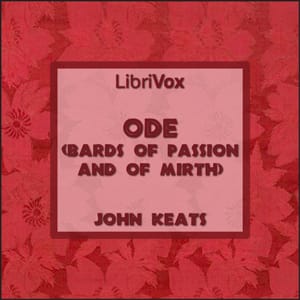
Written in the feverish spring of 1819, this is Keats at his most defiant. Addressed to the ghosts of Shakespeare, Milton, and every great English poet who came before him, the ode is both tribute and declaration: that while empires crumble and monuments turn to dust, poetry alone possesses the strange alchemy to outlast time itself. Keats imagines the "wreath" that grows from a poet's grave becoming more enduring than any bronze statue, any "cumbrous" display of royal power. It is a belief in the sacred uselessness of art, in beauty as the only true immortality. The language dances between joy and mourning, passion and restraint, capturing that quintessentially Keatsian belief that a single line of verse can make a reader feel "the weariness, the fever, and the fret" of life, and then, mysteriously, transcend it entirely. This is not mere nostalgia for the past, but a fierce act of faith in the future of poetry itself.
Editions

Read by
Group Narration
14 readers
Audio Andrea, David Lawrence, Euan Bayliss, Elli +10 more
Link to this book
Add a free, dofollow link to Lex on your blog, forum, syllabus, or reading list.

<a href="https://lex-books.com/book/ode-bards-of-passion-and-of-mirth-1ca1c372-46c2-4088-89fa-e7e8c7b72bd2"><img src="https://lex-books.com/badges/read-on-lex.svg" alt="Read Ode (Bards Of Passion And Of Mirth) by John Keats free on Lex" width="160" height="40"></a>[](https://lex-books.com/book/ode-bards-of-passion-and-of-mirth-1ca1c372-46c2-4088-89fa-e7e8c7b72bd2)[url=https://lex-books.com/book/ode-bards-of-passion-and-of-mirth-1ca1c372-46c2-4088-89fa-e7e8c7b72bd2][img]https://lex-books.com/badges/read-on-lex.svg[/img][/url]Read Ode (Bards Of Passion And Of Mirth) by John Keats free on Lex: https://lex-books.com/book/ode-bards-of-passion-and-of-mirth-1ca1c372-46c2-4088-89fa-e7e8c7b72bd2Cite this book
Reading this edition for a paper or guide? Copy a citation.
Keats, John. Ode (Bards Of Passion And Of Mirth). Lex, lex-books.com/book/ode-bards-of-passion-and-of-mirth-1ca1c372-46c2-4088-89fa-e7e8c7b72bd2.Keats, J. (n.d.). Ode (Bards Of Passion And Of Mirth). Lex. https://lex-books.com/book/ode-bards-of-passion-and-of-mirth-1ca1c372-46c2-4088-89fa-e7e8c7b72bd2Keats, John. Ode (Bards Of Passion And Of Mirth). Lex. https://lex-books.com/book/ode-bards-of-passion-and-of-mirth-1ca1c372-46c2-4088-89fa-e7e8c7b72bd2.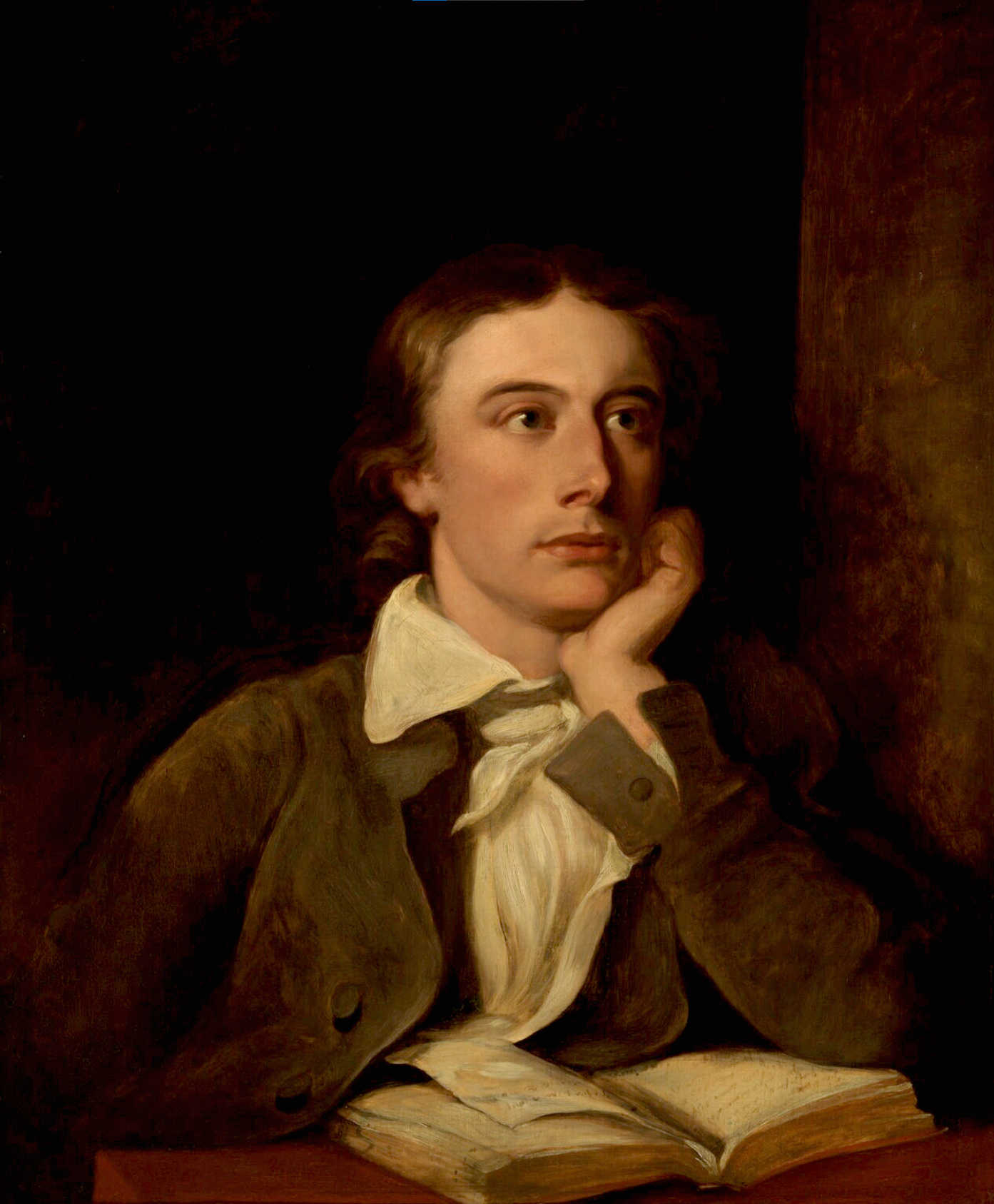


![Birds and Nature, Vol. 12 No. 1 [June 1902]illustrated by Color Photography](/_next/image?url=https%3A%2F%2Fd3b2n8gj62qnwr.cloudfront.net%2FCOVERS%2Fgutenberg_covers75k%2Febook-47881.png&w=3840&q=75)