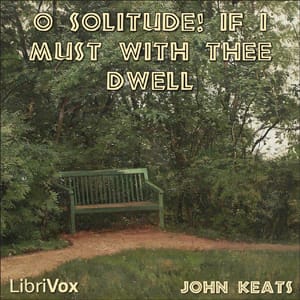
O Solitude! if I must with thee dwell
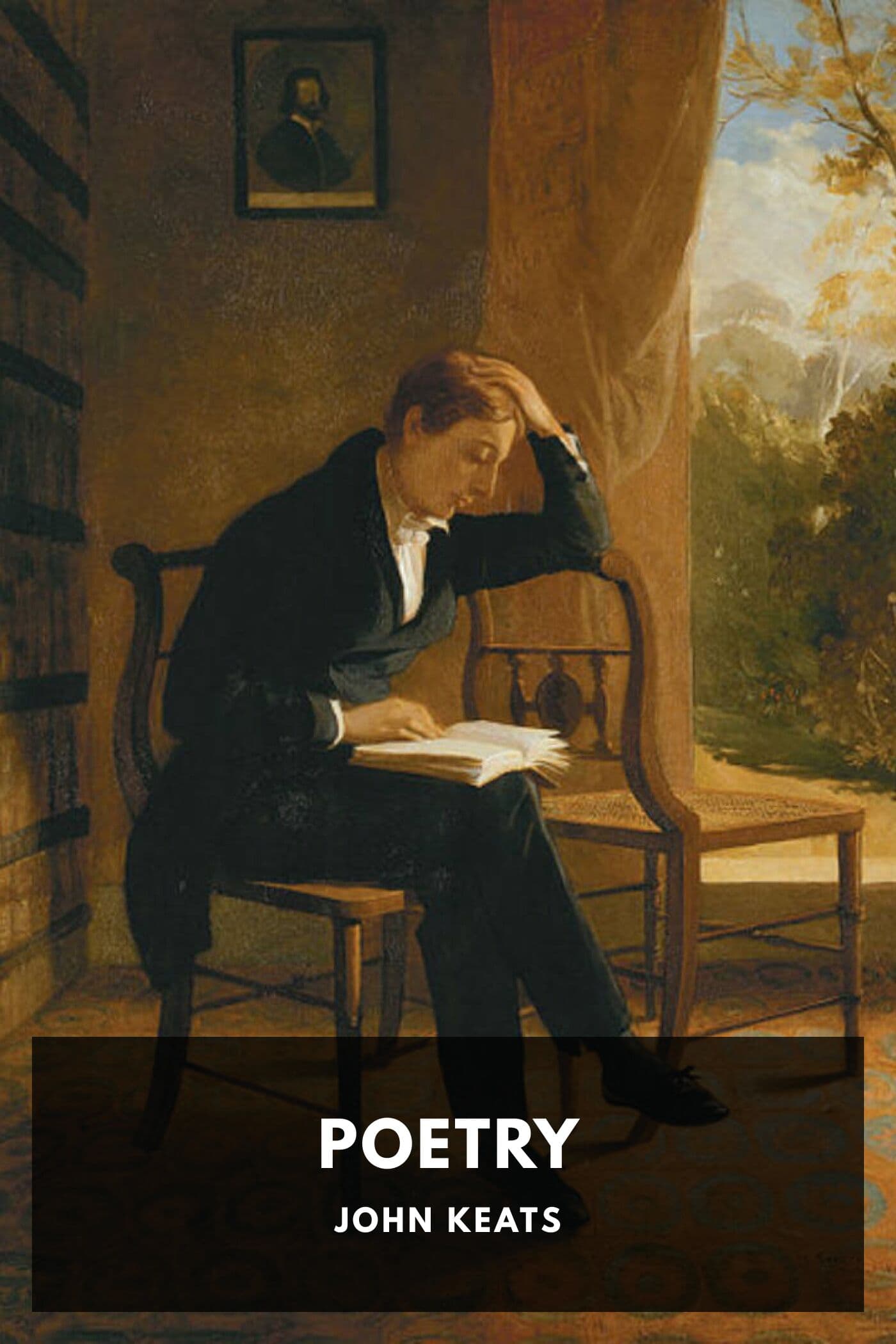
This is Keats as a young man, still in his twenties, already incandescent with love for the natural world. Written in 1815 when he was just twenty, "O Solitude!" announces a poet who would become one of English literature's greatest sensations of nature. The sonnet takes the form of an argument: the speaker rejects the "jumbled heap" of London life and retreats to what he calls "Nature's observatory" - a rural vantage point where he can watch the world in peaceful isolation. The poem builds toward its luminous close, where the speaker imagines himself "climb[ing] the Jasper-stair" of some rural height, and there, alone with bees and butterflies, finding a contentment no city could offer. Here, in miniature, are all the gifts that would bloom into the great odes: the ravishing attention to sensory detail, the faith that beauty is truth, the refusal to settle for less than wonder. For readers who have loved "To Autumn" or "Ode to a Nightingale," this early sonnet offers something rare and precious - watching a genius find his voice.
Editions

Read by
Group Narration
16 readers
Anne Cheng, Alana Jordan, Caitlin Teresa, Ezwa +12 more
Link to this book
Add a free, dofollow link to Lex on your blog, forum, syllabus, or reading list.

<a href="https://lex-books.com/book/o-solitude-if-i-must-with-thee-dwell-30f10f87-164c-4523-aa06-8cc341e96828"><img src="https://lex-books.com/badges/read-on-lex.svg" alt="Read O Solitude! if I must with thee dwell by John Keats free on Lex" width="160" height="40"></a>[](https://lex-books.com/book/o-solitude-if-i-must-with-thee-dwell-30f10f87-164c-4523-aa06-8cc341e96828)[url=https://lex-books.com/book/o-solitude-if-i-must-with-thee-dwell-30f10f87-164c-4523-aa06-8cc341e96828][img]https://lex-books.com/badges/read-on-lex.svg[/img][/url]Read O Solitude! if I must with thee dwell by John Keats free on Lex: https://lex-books.com/book/o-solitude-if-i-must-with-thee-dwell-30f10f87-164c-4523-aa06-8cc341e96828Cite this book
Reading this edition for a paper or guide? Copy a citation.
Keats, John. O Solitude! if I must with thee dwell. Lex, lex-books.com/book/o-solitude-if-i-must-with-thee-dwell-30f10f87-164c-4523-aa06-8cc341e96828.Keats, J. (n.d.). O Solitude! if I must with thee dwell. Lex. https://lex-books.com/book/o-solitude-if-i-must-with-thee-dwell-30f10f87-164c-4523-aa06-8cc341e96828Keats, John. O Solitude! if I must with thee dwell. Lex. https://lex-books.com/book/o-solitude-if-i-must-with-thee-dwell-30f10f87-164c-4523-aa06-8cc341e96828.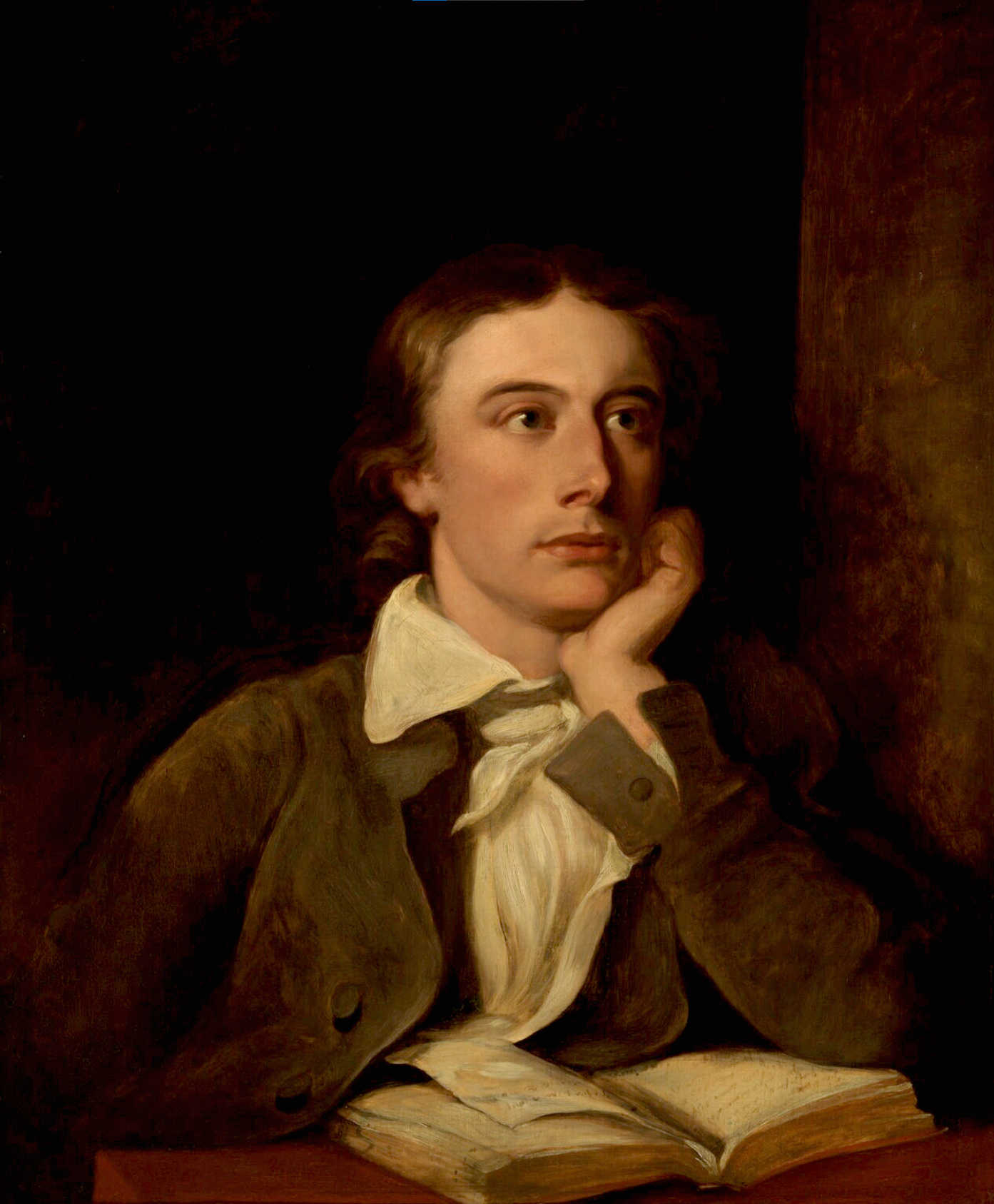



![Birds and Nature, Vol. 12 No. 1 [June 1902]illustrated by Color Photography](/_next/image?url=https%3A%2F%2Fd3b2n8gj62qnwr.cloudfront.net%2FCOVERS%2Fgutenberg_covers75k%2Febook-47881.png&w=3840&q=75)