Military Manners and Customs
1885
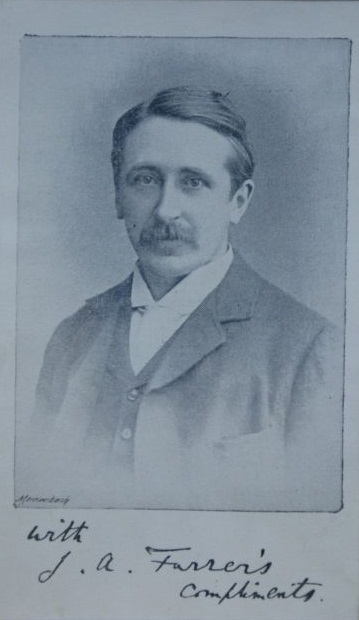
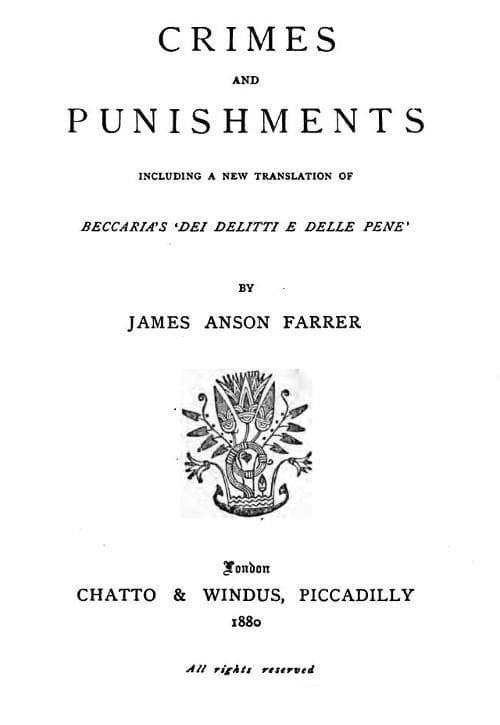
In 1885, a Victorian thinker asked a question that military historians had long avoided: what do we owe to the humanity of soldiers? James Anson Farrer coined a term for his inquiry, Bellology, and set out to study warfare not as strategy or tactics, but as a living system of customs, laws, and moral compromises. The result is a startling work that refuses to treat soldiers as "ninepins," instead examining the ethical weight behind the rituals of war. Farrer traces the evolution of military customs from ancient times to his own era, interrogating the paradox at the heart of armed conflict: civilizations that prohibit certain weapons yet commit atrocities, that capture enemies yet butcher them, that write laws of war yet ignore them when convenience demands. This is not a celebration of martial tradition but a rigorous interrogation of how humanity bends, and breaks, under the pressure of organized violence. Farrer's writing crackles with moral urgency, making familiar history feel newly uncomfortable. For readers who have ever wondered why we fight the way we do, and whether the rules of war are progress or pretense, this forgotten classic offers an answer that remains urgently relevant.
Editions
Link to this book
Add a free, dofollow link to Lex on your blog, forum, syllabus, or reading list.

<a href="https://lex-books.com/book/military-manners-and-customs-6b49e201-7d48-4e41-9e3e-b4c03666455e"><img src="https://lex-books.com/badges/read-on-lex.svg" alt="Read Military Manners and Customs by James Anson Farrer free on Lex" width="160" height="40"></a>[](https://lex-books.com/book/military-manners-and-customs-6b49e201-7d48-4e41-9e3e-b4c03666455e)[url=https://lex-books.com/book/military-manners-and-customs-6b49e201-7d48-4e41-9e3e-b4c03666455e][img]https://lex-books.com/badges/read-on-lex.svg[/img][/url]Read Military Manners and Customs by James Anson Farrer free on Lex: https://lex-books.com/book/military-manners-and-customs-6b49e201-7d48-4e41-9e3e-b4c03666455eCite this book
Reading this edition for a paper or guide? Copy a citation.
Farrer, James Anson. Military Manners and Customs. Lex, lex-books.com/book/military-manners-and-customs-6b49e201-7d48-4e41-9e3e-b4c03666455e.Farrer, J. A. (1885). Military Manners and Customs. Lex. https://lex-books.com/book/military-manners-and-customs-6b49e201-7d48-4e41-9e3e-b4c03666455eFarrer, James Anson. Military Manners and Customs. Lex. https://lex-books.com/book/military-manners-and-customs-6b49e201-7d48-4e41-9e3e-b4c03666455e.