Émile Eli Kasvatuksesta
1762
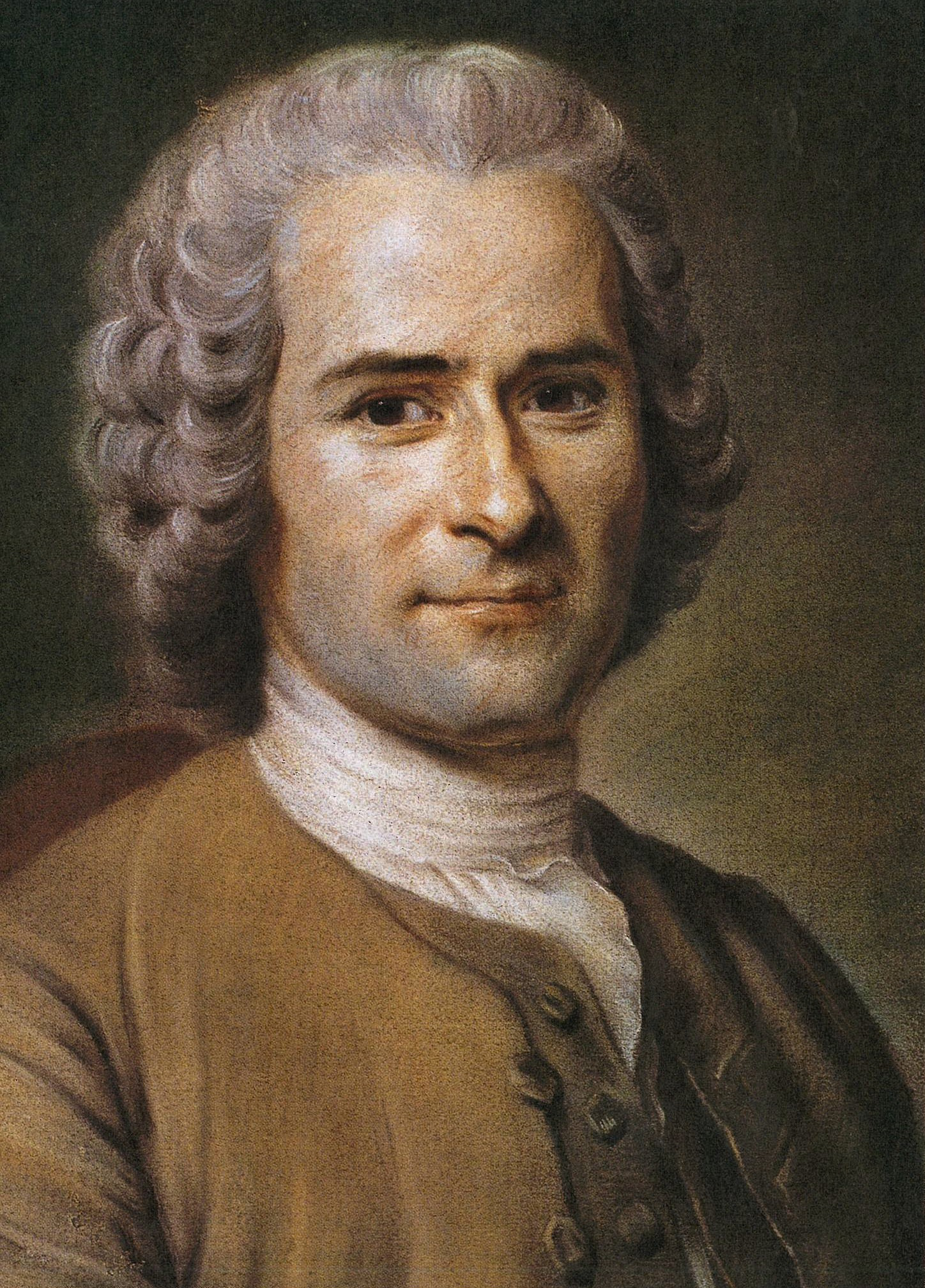
What if everything we believed about raising children was fundamentally wrong? Rousseau's revolutionary 1762 treatise imagines a boy named Émile and traces his education from birth to adulthood, using this fictional pupil to dismantle the repressive methods of his era. He argues that children are not miniature adults to be stuffed with knowledge, but beings whose natural development must be respected and worked with, not against. The book follows Émile through different stages of growth, each demanding different approaches to learning, as Rousseau insists that true education must arise from the child's own curiosity and experiences, not from coercion or premature abstraction. It sparked a complete rethinking of childhood itself, influencing generations of educators and psychologists who came after. For anyone interested in where modern ideas about child development originated, or who wonders whether education might work better if it honored rather than fought human nature, this remains the radical, provocation it was over 250 years ago.
Editions
X-Ray
“I would rather be a man of paradoxes than a man of prejudices.””
— Jean-Jacques Rousseau
“To live is not to breathe but to act. It is to make use of our organs, our senses, our faculties, of all the parts of ourselves which give us the sentiment of our existence. The man who has lived the most is not he who has counted the most years but he who has most felt life.””
— Jean-Jacques Rousseau
“Once you teach people to say what they do not understand, it is easy enough to get them to say anything you like.””
— Jean-Jacques Rousseau
“The only moral lesson which is suited for a child--the most important lesson for every time of life--is this: 'Never hurt anybody.””
— Jean-Jacques Rousseau
“All wickedness comes from weakness. The child is wicked only because he is weak. Make him strong; he will be good. He who could do everything would never do harm.””
— Jean-Jacques Rousseau
“Nature made me happy and good, and if I am otherwise, it is society's fault.””
— Jean-Jacques Rousseau
“إن ضعف الإنسان هو الذي يجعله إجتماعياً.وعناصر الشقاء المشتركة بيننا هي التي تدفع قلوبنا الى الإنسانية. فما كنا لنحس أننا مدينون للإنسانية بشيء لو لم نكن بشراً””
— Jean-Jacques Rousseau
“The real world has its limits; the imaginary world is infinite. Unable to enlarge the one, let us restrict the other, for it is from the difference between the two alone that are born all the pains which make us truly unhappy.””
— Jean-Jacques Rousseau
“A child who passes through many hands in turn, can never be well brought up. At every change he makes a secret comparison, which continually tends to lessen his respect for those who control him, and with it their authority over him. If once he thinks there are grown-up people with no more sense than children the authority of age is destroyed and his education is ruined.””
— Jean-Jacques Rousseau
Link to this book
Add a free, dofollow link to Lex on your blog, forum, syllabus, or reading list.

<a href="https://lex-books.com/book/mile-eli-kasvatuksesta-2dad09d1-f943-48fd-8005-bae63ce521f5"><img src="https://lex-books.com/badges/read-on-lex.svg" alt="Read Émile Eli Kasvatuksesta by Jean-Jacques Rousseau free on Lex" width="160" height="40"></a>[](https://lex-books.com/book/mile-eli-kasvatuksesta-2dad09d1-f943-48fd-8005-bae63ce521f5)[url=https://lex-books.com/book/mile-eli-kasvatuksesta-2dad09d1-f943-48fd-8005-bae63ce521f5][img]https://lex-books.com/badges/read-on-lex.svg[/img][/url]Read Émile Eli Kasvatuksesta by Jean-Jacques Rousseau free on Lex: https://lex-books.com/book/mile-eli-kasvatuksesta-2dad09d1-f943-48fd-8005-bae63ce521f5Cite this book
Reading this edition for a paper or guide? Copy a citation.
Rousseau, Jean-Jacques. Émile Eli Kasvatuksesta. Lex, lex-books.com/book/mile-eli-kasvatuksesta-2dad09d1-f943-48fd-8005-bae63ce521f5.Rousseau, J. (1762). Émile Eli Kasvatuksesta. Lex. https://lex-books.com/book/mile-eli-kasvatuksesta-2dad09d1-f943-48fd-8005-bae63ce521f5Rousseau, Jean-Jacques. Émile Eli Kasvatuksesta. Lex. https://lex-books.com/book/mile-eli-kasvatuksesta-2dad09d1-f943-48fd-8005-bae63ce521f5.