Margaret of Anjoumakers of History
1861
Margaret of Anjoumakers of History
1861
Jacob Abbott brings Margaret of Anjou to vivid life in this 1861 biography, one of his renowned Makers of History volumes. Margaret was no typical queen. When her husband Henry VI succumbed to bouts of madness, she seized the reins of power and ruled England in his place. She convened the fateful council in 1455 that excluded the Yorkist faction, providing the spark that ignited thirty years of civil war. Abbott chronicles her fierce defense of the Lancastrian claim, her command of armies in the field, and her ultimate downfall. The narrative follows her through the chaos of the Wars of the Roses to her capture at Tewkesbury, where her only son was killed, and her final years as a poor relation at the French court. This is history as Abbott's contemporary Abraham Lincoln loved it: a clear, dramatic story of real people shaping nations.
Editions
X-Ray
The heroine of the story, daughter of René of Anjou, who becomes Queen of England through marriage to Henry VI. She is described as beautiful, intelligent, and possessing extraordinary courage and military heroism.
King of England, Margaret's husband. A gentle, devout man prone to mental illness and lacking in political strength. He becomes increasingly dependent on Margaret's guidance.
Henry's uncle and former regent of England. A powerful noble who opposes Margaret's marriage and influence, becoming her primary political enemy until his mysterious death.
Margaret and Henry's only son, Prince of Wales. A handsome and accomplished young man who becomes the hope of the Lancastrian cause but meets a tragic end.
About Margaret of Anjoumakers of History
Chapter Summaries
- 1
- Introduction to Margaret as a real heroine and explanation of the two great quarrels of her time: the internal wars between York and Lancaster branches of the royal family, and the external wars with France. Provides genealogical background of Edward III's descendants.
- 2
- Describes the feudal society of Margaret's era, including the power of nobles, their retainers, and the practice of trial by combat. Includes a detailed account of a judicial duel between John Anneslie and Thomas Katrington.
- 3
- Henry's accession as an infant, the power struggle between his uncles, particularly the conflict between Cardinal Beaufort and Duke of Gloucester. Describes Henry's coronations in England and France.
Key Themes
- Power and Ambition
- The corrupting nature of political power drives most characters, from Margaret's fierce determination to protect her family's throne to the nobles' endless scheming for influence and control.
- Maternal Love and Protection
- Margaret's transformation from a young bride to a fierce warrior-queen is driven primarily by her maternal instinct to protect her son's rights and secure his future.
- Loyalty and Betrayal
- The story is filled with shifting allegiances, from Warwick's dramatic change of sides to the constant plotting and counter-plotting among the nobility.
Characters
- Margaret of Anjou(protagonist)
- The heroine of the story, daughter of René of Anjou, who becomes Queen of England through marriage to Henry VI. She is described as beautiful, intelligent, and possessing extraordinary courage and military heroism.
- Henry VI(major)
- King of England, Margaret's husband. A gentle, devout man prone to mental illness and lacking in political strength. He becomes increasingly dependent on Margaret's guidance.
- Duke of Gloucester(antagonist)
- Henry's uncle and former regent of England. A powerful noble who opposes Margaret's marriage and influence, becoming her primary political enemy until his mysterious death.
- Prince Edward(major)
- Margaret and Henry's only son, Prince of Wales. A handsome and accomplished young man who becomes the hope of the Lancastrian cause but meets a tragic end.
- Earl of Suffolk(major)
- A powerful nobleman who negotiates Margaret's marriage and becomes her trusted advisor. He serves as Henry's chief minister but faces political downfall and execution.
- Cardinal Beaufort(major)
- Henry's great-uncle, Bishop of Winchester. A wealthy and ambitious churchman who serves as Henry's guardian and supports Margaret's marriage as a means to maintain power.
Link to this book
Add a free, dofollow link to Lex on your blog, forum, syllabus, or reading list.

<a href="https://lex-books.com/book/margaret-of-anjoumakers-of-history-286b3663-2399-44bd-925c-5c985af98bed"><img src="https://lex-books.com/badges/read-on-lex.svg" alt="Read Margaret of Anjoumakers of History by Jacob Abbott free on Lex" width="160" height="40"></a>[](https://lex-books.com/book/margaret-of-anjoumakers-of-history-286b3663-2399-44bd-925c-5c985af98bed)[url=https://lex-books.com/book/margaret-of-anjoumakers-of-history-286b3663-2399-44bd-925c-5c985af98bed][img]https://lex-books.com/badges/read-on-lex.svg[/img][/url]Read Margaret of Anjoumakers of History by Jacob Abbott free on Lex: https://lex-books.com/book/margaret-of-anjoumakers-of-history-286b3663-2399-44bd-925c-5c985af98bedCite this book
Reading this edition for a paper or guide? Copy a citation.
Abbott, Jacob. Margaret of Anjoumakers of History. Lex, lex-books.com/book/margaret-of-anjoumakers-of-history-286b3663-2399-44bd-925c-5c985af98bed.Abbott, J. (1861). Margaret of Anjoumakers of History. Lex. https://lex-books.com/book/margaret-of-anjoumakers-of-history-286b3663-2399-44bd-925c-5c985af98bedAbbott, Jacob. Margaret of Anjoumakers of History. Lex. https://lex-books.com/book/margaret-of-anjoumakers-of-history-286b3663-2399-44bd-925c-5c985af98bed.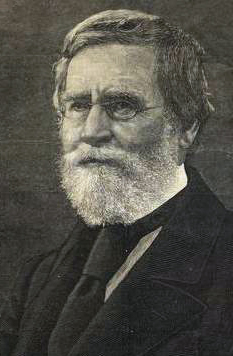

![Rollo's Philosophy [Fire]](/_next/image?url=https%3A%2F%2Fd3b2n8gj62qnwr.cloudfront.net%2FCOVERS%2Fgutenberg_covers75k%2Febook-62726.png&w=3840&q=75)