What would you like to read?Search books, authors, genres, shelves, users...
Search books, authors, genres, shelves, users...Search books, authors, genres, shelves, users...

What would you like to read?Search books, authors, genres, shelves, users...
Search books, authors, genres, shelves, users...Search books, authors, genres, shelves, users...
1857-1919
William John Hardy (29 September 1857 – 17 July 1919) was an English archivist and antiquarian.



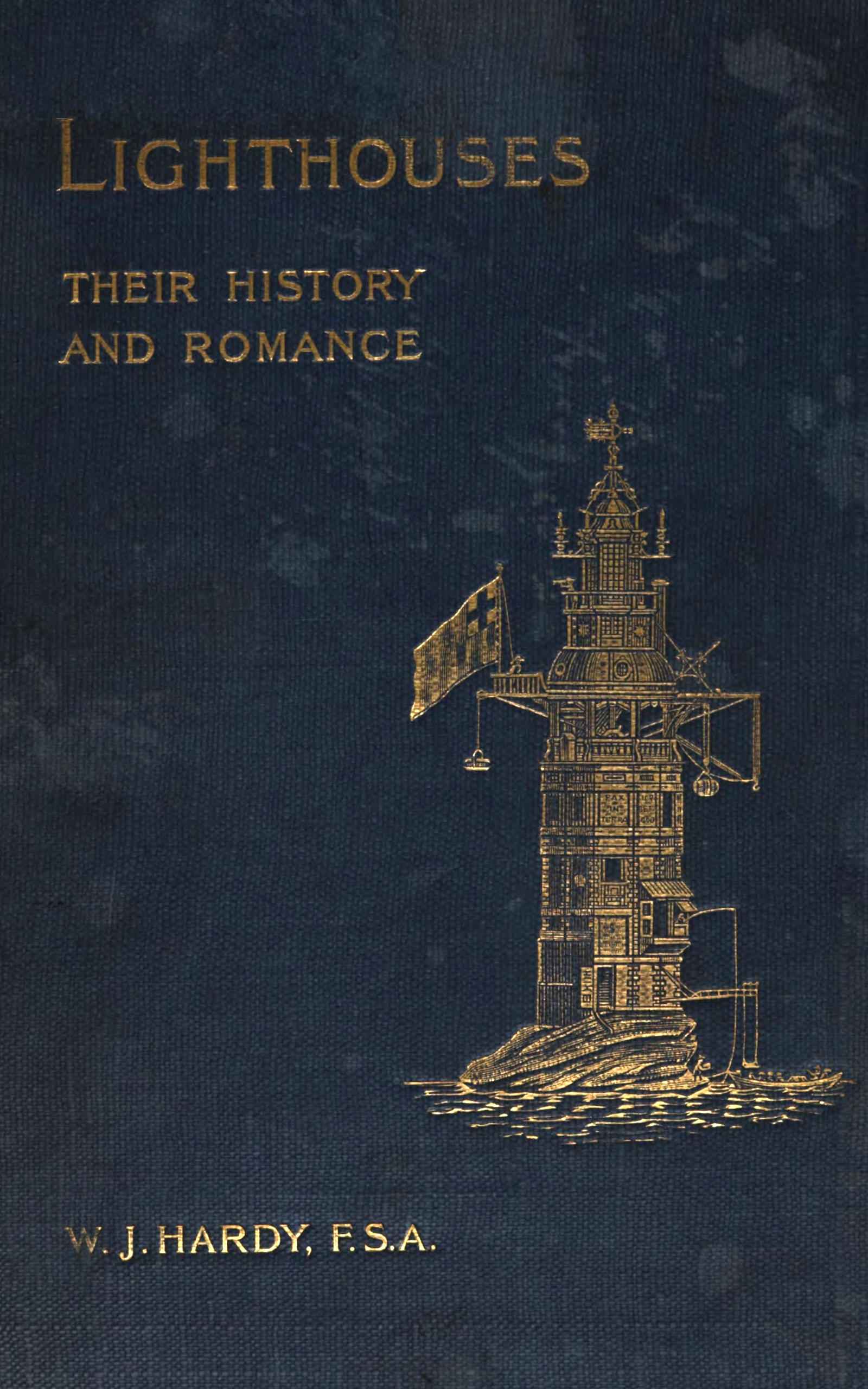
1895
A historical account written in the late 19th century. The focus of the book is on the development, significance, and stories surrounding English lighthouses, from ancient times through to Hardy's present day. Readers can expect detailed explorations of the origins of lighthouse construction, the charitable and practical motivations behind their establishment, and narratives of maritime danger and heroism along the English coast. The opening of the book presents a scholarly yet accessible introduction, beginning with the preface where the author outlines his motivations and research methods, including acknowledgments of institutions and individuals who assisted him. The first chapters delve into the ancient and medieval origins of lighthouses, highlighting the role of religious institutions and early coastal communities in marking dangerous areas for ships with signals, bells, and primitive lights. With the dissolution of monasteries, the responsibility for lighthouses shifted, and their operation became a matter of public debate and evolving governance, most notably involving the influential Trinity House. The early sections also discuss technological advancements in lighthouse lighting, from open fires to candles and oil, and tell the story of Grace Darling, whose bravery at the Longstones lighthouse became an emblem of maritime courage. Overall, the book's introduction skilfully interweaves technical development, historical change, and stories of individual endeavor, setting the stage for a comprehensive and engaging chronicle of British lighthouses.
