Life and Death of Tom Thumb the Great
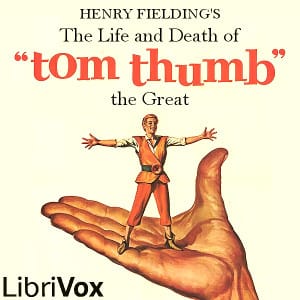
In this outrageously sly 1730 satire, Henry Fielding does something deliciously absurd: he takes the tiny folkloric hero Tom Thumb and subjects him to the full weight of grand tragic conventions. The result is a mock-heroic masterpiece where a character the size of a thumb experiences jealous rages, epic battles, and a tragic downfall worthy of Hamlet. Fielding populates this miniature world with King Arthur, his terrified queen Dollallolla, and the lovelorn princess Huncamunca, treating their romantic entanglements with complete dramatic seriousness while the audience laughs at the formal mismatch. But the true genius lies in the footnotes: fake scholarly appendages by the fictitious "H. Scriblerus Secundus" that provide absurd historical citations and learned commentary, satirizing the pretensions of academic criticism itself. The play delighted Georgian audiences with its wit and reportedly even charmed Jane Austen's family, who staged private performances. It remains irresistible: a tiny tragedy about a little hero who thinks himself great, exposing the ridiculous solemnity of both heroic literature and those who study it.
Editions

Link to this book
Add a free, dofollow link to Lex on your blog, forum, syllabus, or reading list.

<a href="https://lex-books.com/book/life-and-death-of-tom-thumb-the-great-6c784388-b8a5-4853-9a60-f2bffe21f9b1"><img src="https://lex-books.com/badges/read-on-lex.svg" alt="Read Life and Death of Tom Thumb the Great by Henry Fielding free on Lex" width="160" height="40"></a>[](https://lex-books.com/book/life-and-death-of-tom-thumb-the-great-6c784388-b8a5-4853-9a60-f2bffe21f9b1)[url=https://lex-books.com/book/life-and-death-of-tom-thumb-the-great-6c784388-b8a5-4853-9a60-f2bffe21f9b1][img]https://lex-books.com/badges/read-on-lex.svg[/img][/url]Read Life and Death of Tom Thumb the Great by Henry Fielding free on Lex: https://lex-books.com/book/life-and-death-of-tom-thumb-the-great-6c784388-b8a5-4853-9a60-f2bffe21f9b1Cite this book
Reading this edition for a paper or guide? Copy a citation.
Fielding, Henry. Life and Death of Tom Thumb the Great. Lex, lex-books.com/book/life-and-death-of-tom-thumb-the-great-6c784388-b8a5-4853-9a60-f2bffe21f9b1.Fielding, H. (n.d.). Life and Death of Tom Thumb the Great. Lex. https://lex-books.com/book/life-and-death-of-tom-thumb-the-great-6c784388-b8a5-4853-9a60-f2bffe21f9b1Fielding, Henry. Life and Death of Tom Thumb the Great. Lex. https://lex-books.com/book/life-and-death-of-tom-thumb-the-great-6c784388-b8a5-4853-9a60-f2bffe21f9b1.