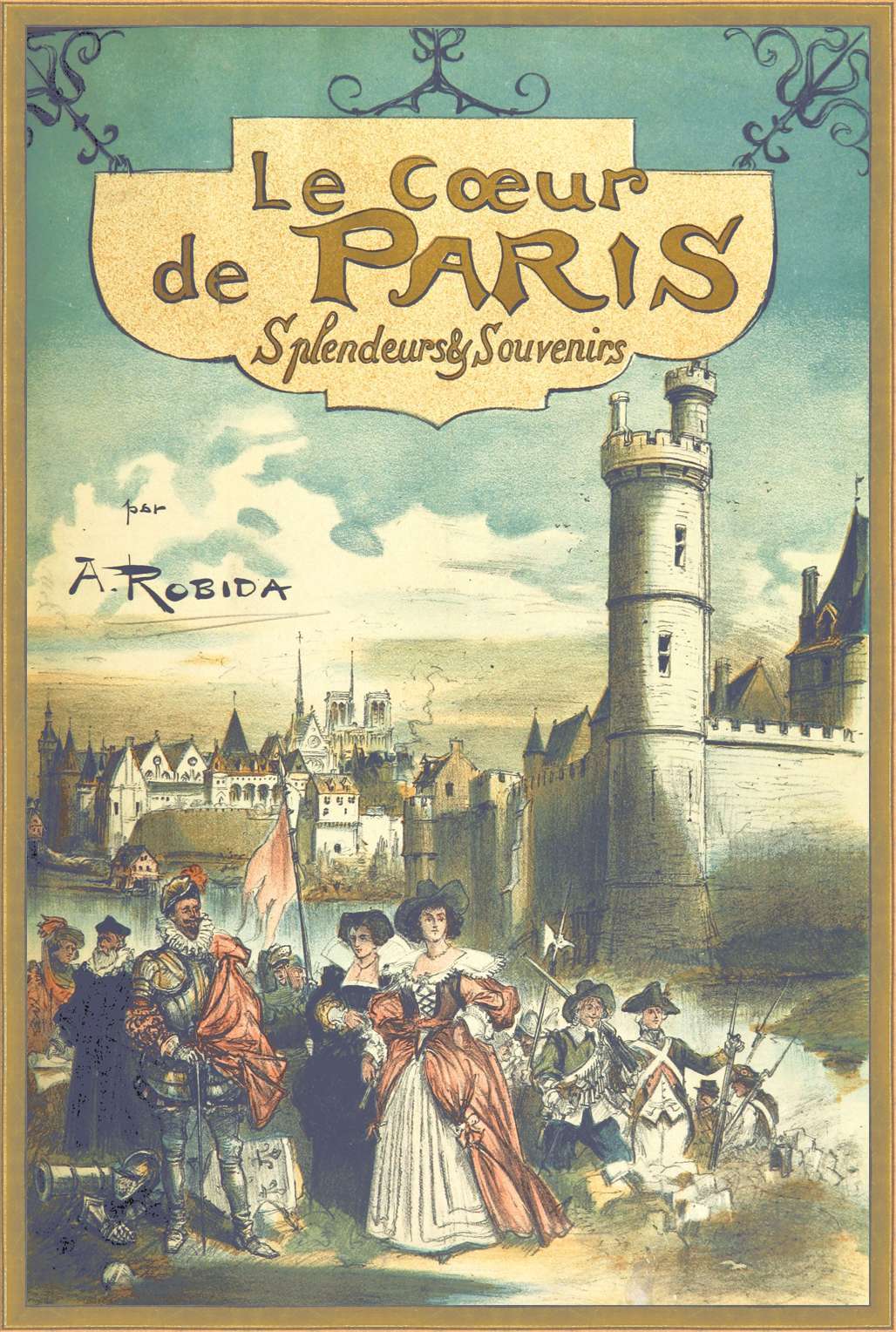
Paris De Siècle En Siècle: Le Cœur De Paris — Splendeurs Et Souvenirs
1895
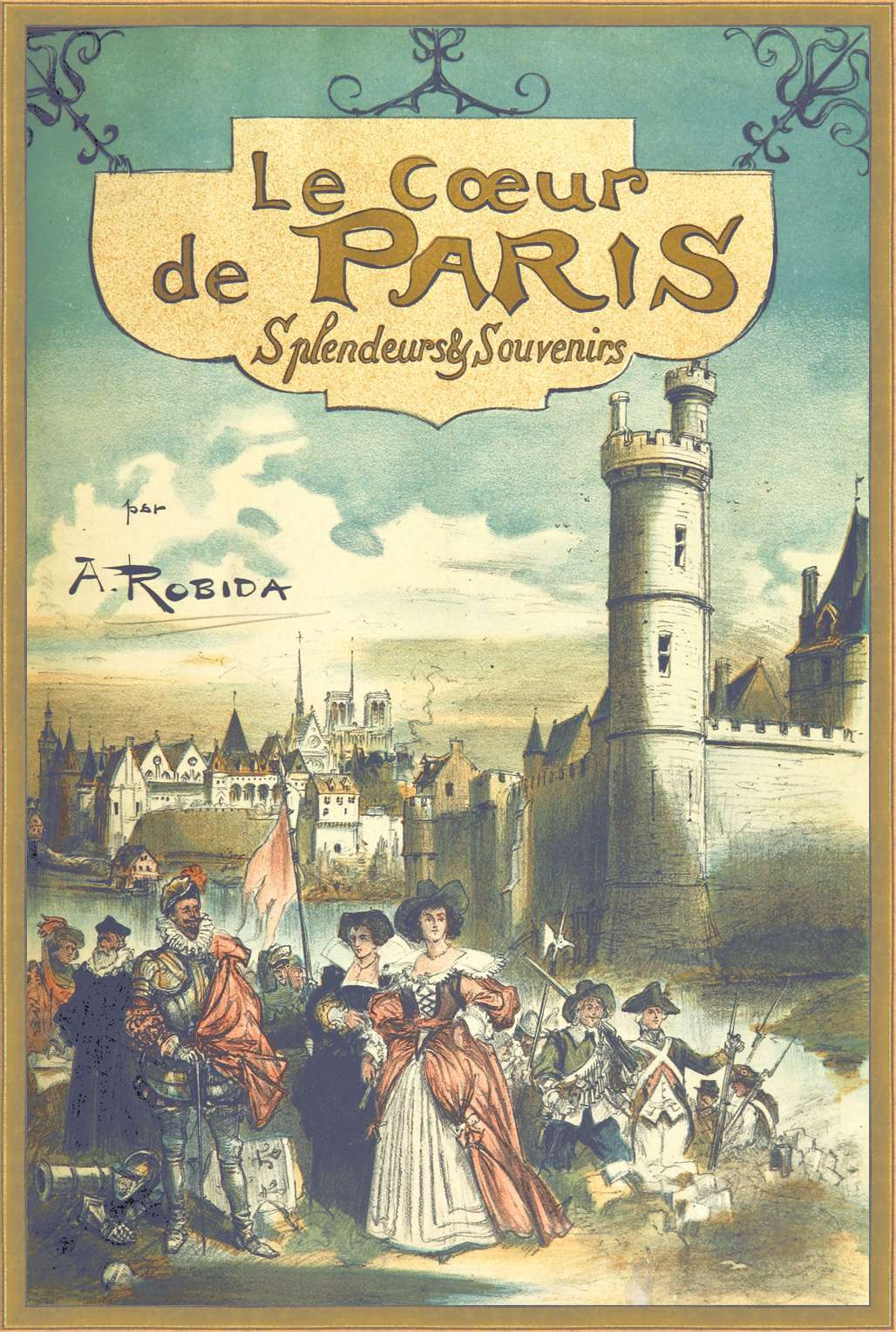
Paris De Siècle En Siècle: Le Cœur De Paris — Splendeurs Et Souvenirs
1895
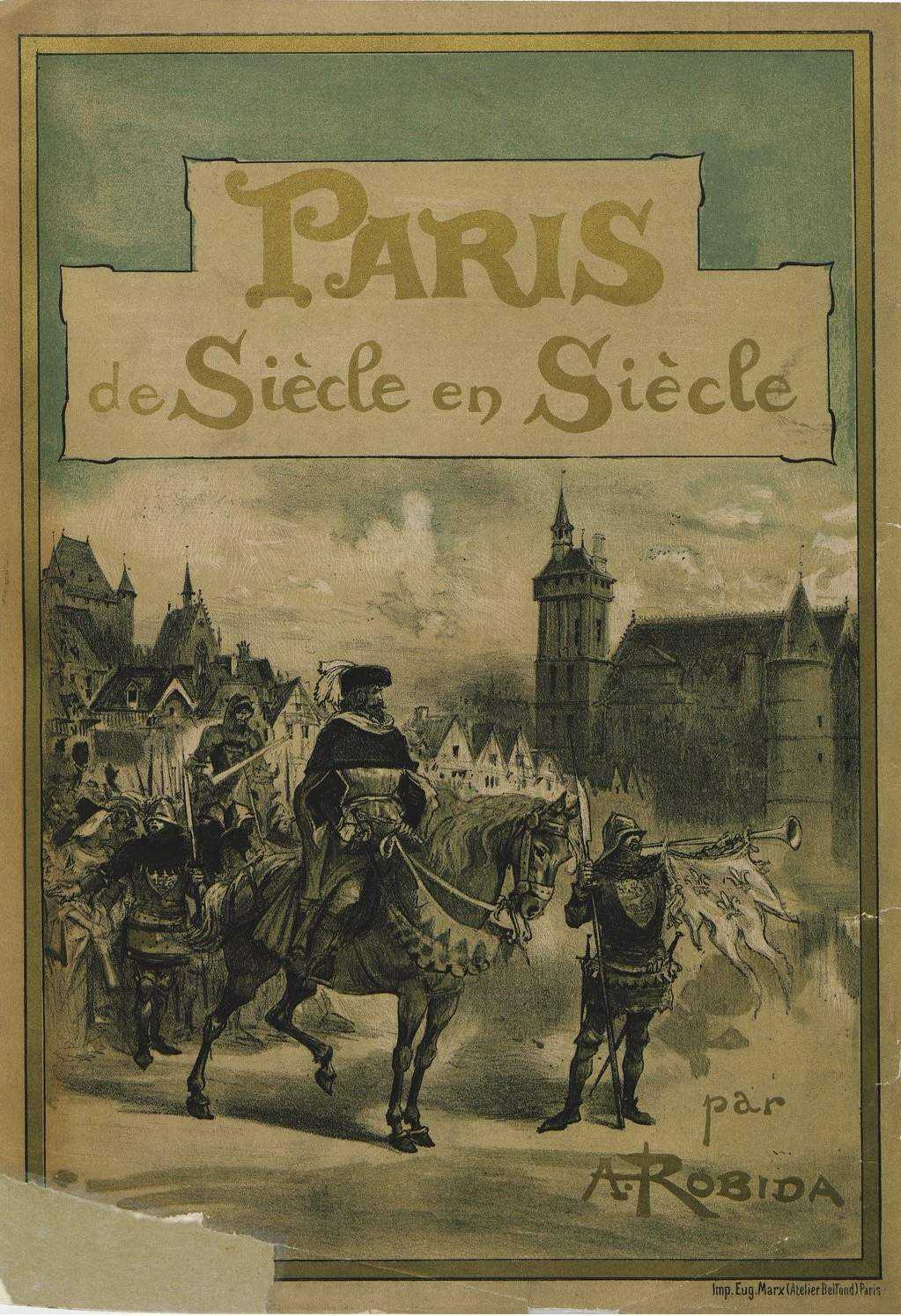
A historical account written in the late 19th century. The book explores the evolution of Paris from its ancient roots to contemporary times, reflecting on the significant historical events, cultural transformations, and architectural changes that have shaped the city. The narrative emphasizes the contrast between the glorified past of Paris and the modern developments that the author perceives as lacking respect for the city's rich history. The opening of this work establishes Paris as a noble vessel navigating through tumultuous history, beginning with its origins in the ancient city of Lutetia. The text details the early developments in the city, the establishment of Frankish rule, and the evolution of its significant monuments such as the Palace of the City and Notre-Dame Cathedral. It captures the juxtaposition of the vibrant historical legacy and the starkness of modern structures that the author feels obscure the beauty and memories of the past, setting the stage for a reflective examination of Paris's identity across the ages.
Editions

X-Ray
First Frankish king to conquer Lutèce (Paris), described as valiant, terrible, fierce and astute. He established Frankish rule over the territory around 493 CE.
Christian queen, niece of Gondebaud king of the Burgundians. She influenced Clovis's conversion to Christianity and later became grandmother to the murdered princes.
Terrible Merovingian queen, wife of Chilpéric, described as beautiful but extremely cruel and cunning. She represents 'the genius of triumphant barbarism' and was involved in numerous murders and intrigues.
Saintly king who rebuilt the Palace and constructed the Sainte-Chapelle. Known for his justice, piety, and legislative reforms including the regulation of Parisian trades.
About Paris De Siècle En Siècle: Le Cœur De Paris — Splendeurs Et Souvenirs
Chapter Summaries
- 1
- Introduces Paris as the 'noble ship' and traces its origins from Roman Lutèce through Frankish conquest. Details Clovis's siege and capture of the city, the brutal murder of Clodomir's sons, and the reign of terror under Frédégonde, establishing Paris as the center of emerging French power.
- 2
- Chronicles the devastating Norman invasions of the 9th century, culminating in the great siege of Paris (885-886). Details the heroic defense led by Count Eudes and Bishop Gozlin, the sacrifice of twelve defenders at Petit Pont, and the ultimate victory that established Paris's reputation and Eudes's claim to the throne.
- 3
- Describes the construction and features of the medieval royal palace, focusing on Saint Louis's architectural achievements including the Sainte-Chapelle. Details the acquisition of holy relics, the palace's various buildings and functions, and its role as the center of royal justice and administration.
Key Themes
- Survival and Resilience
- Paris as the 'noble ship' that weathers all storms but is never submerged, surviving barbarian invasions, Norman sieges, and political upheavals through centuries.
- Civilization vs. Barbarism
- The ongoing tension between civilizing influences (Christianity, law, culture) and barbaric forces (violence, conquest, destruction) that shaped medieval Paris.
- Religious Faith and Power
- The central role of Christianity in transforming barbarian kings, providing sanctuary, and legitimizing royal authority through sacred relics and divine sanction.
Characters
- Clovis (Hlodowig/Chlodowig)(major)
- First Frankish king to conquer Lutèce (Paris), described as valiant, terrible, fierce and astute. He established Frankish rule over the territory around 493 CE.
- Clotilde(major)
- Christian queen, niece of Gondebaud king of the Burgundians. She influenced Clovis's conversion to Christianity and later became grandmother to the murdered princes.
- Frédégonde(major)
- Terrible Merovingian queen, wife of Chilpéric, described as beautiful but extremely cruel and cunning. She represents 'the genius of triumphant barbarism' and was involved in numerous murders and intrigues.
- Saint Louis (Louis IX)(protagonist)
- Saintly king who rebuilt the Palace and constructed the Sainte-Chapelle. Known for his justice, piety, and legislative reforms including the regulation of Parisian trades.
- Eudes(protagonist)
- Count of Paris and heroic defender during the great Norman siege of 885-886. Later became king of France after Charles the Fat's death.
- Bishop Gozlin(major)
- Courageous bishop of Paris who organized the city's defenses against the Normans and died during the siege from wounds and disease.
Link to this book
Add a free, dofollow link to Lex on your blog, forum, syllabus, or reading list.

<a href="https://lex-books.com/book/paris-de-si-cle-en-si-cle-le-c-ur-de-paris-splendeurs-et-souvenirs-c81aff99-5b35-4761-bd1d-00a7321fd318"><img src="https://lex-books.com/badges/read-on-lex.svg" alt="Read Paris De Siècle En Siècle: Le Cœur De Paris — Splendeurs Et Souvenirs by Albert Robida free on Lex" width="160" height="40"></a>[](https://lex-books.com/book/paris-de-si-cle-en-si-cle-le-c-ur-de-paris-splendeurs-et-souvenirs-c81aff99-5b35-4761-bd1d-00a7321fd318)[url=https://lex-books.com/book/paris-de-si-cle-en-si-cle-le-c-ur-de-paris-splendeurs-et-souvenirs-c81aff99-5b35-4761-bd1d-00a7321fd318][img]https://lex-books.com/badges/read-on-lex.svg[/img][/url]Read Paris De Siècle En Siècle: Le Cœur De Paris — Splendeurs Et Souvenirs by Albert Robida free on Lex: https://lex-books.com/book/paris-de-si-cle-en-si-cle-le-c-ur-de-paris-splendeurs-et-souvenirs-c81aff99-5b35-4761-bd1d-00a7321fd318Cite this book
Reading this edition for a paper or guide? Copy a citation.
Robida, Albert. Paris De Siècle En Siècle: Le Cœur De Paris — Splendeurs Et Souvenirs. Lex, lex-books.com/book/paris-de-si-cle-en-si-cle-le-c-ur-de-paris-splendeurs-et-souvenirs-c81aff99-5b35-4761-bd1d-00a7321fd318.Robida, A. (1895). Paris De Siècle En Siècle: Le Cœur De Paris — Splendeurs Et Souvenirs. Lex. https://lex-books.com/book/paris-de-si-cle-en-si-cle-le-c-ur-de-paris-splendeurs-et-souvenirs-c81aff99-5b35-4761-bd1d-00a7321fd318Robida, Albert. Paris De Siècle En Siècle: Le Cœur De Paris — Splendeurs Et Souvenirs. Lex. https://lex-books.com/book/paris-de-si-cle-en-si-cle-le-c-ur-de-paris-splendeurs-et-souvenirs-c81aff99-5b35-4761-bd1d-00a7321fd318.