Le Morte d’Arthur
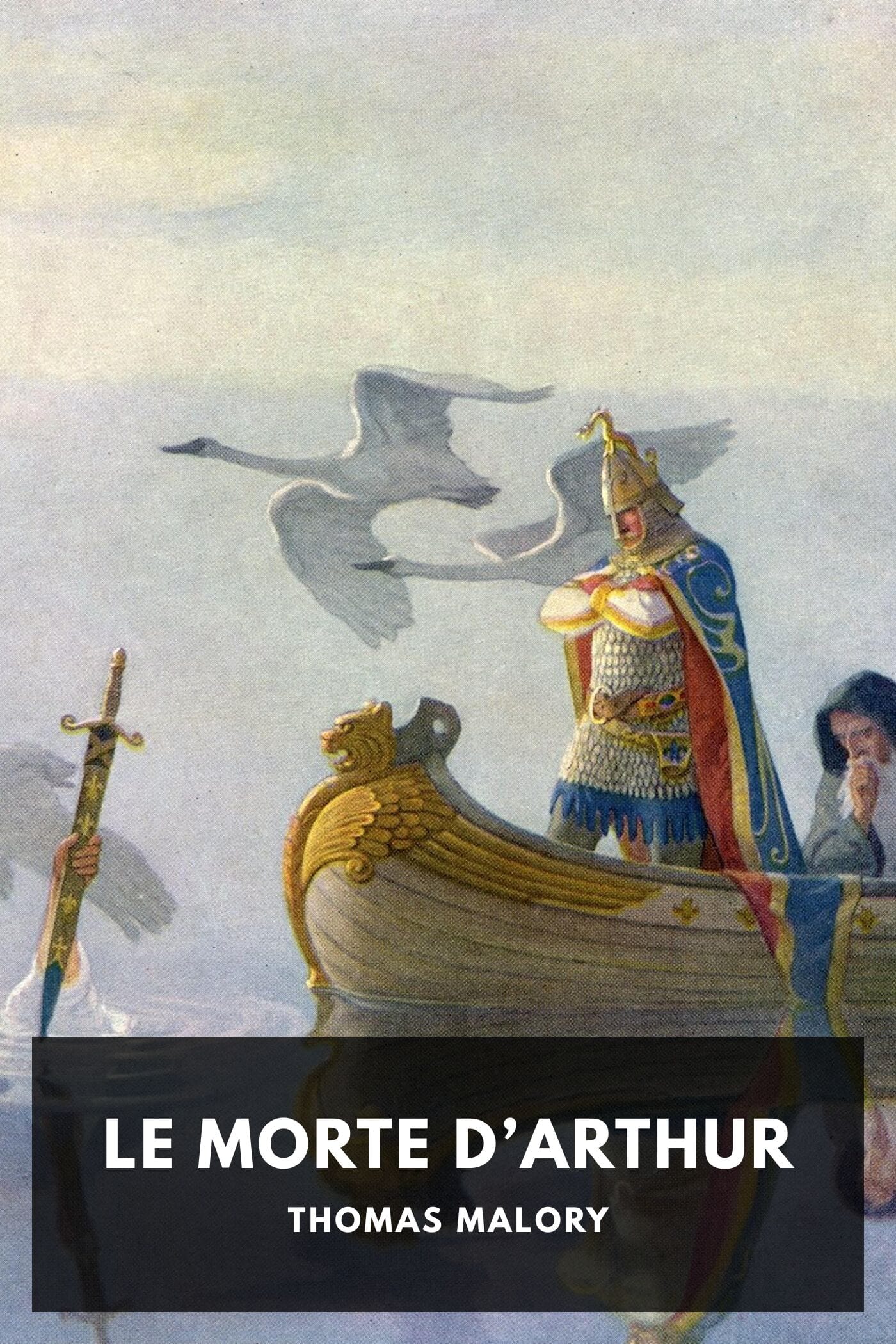
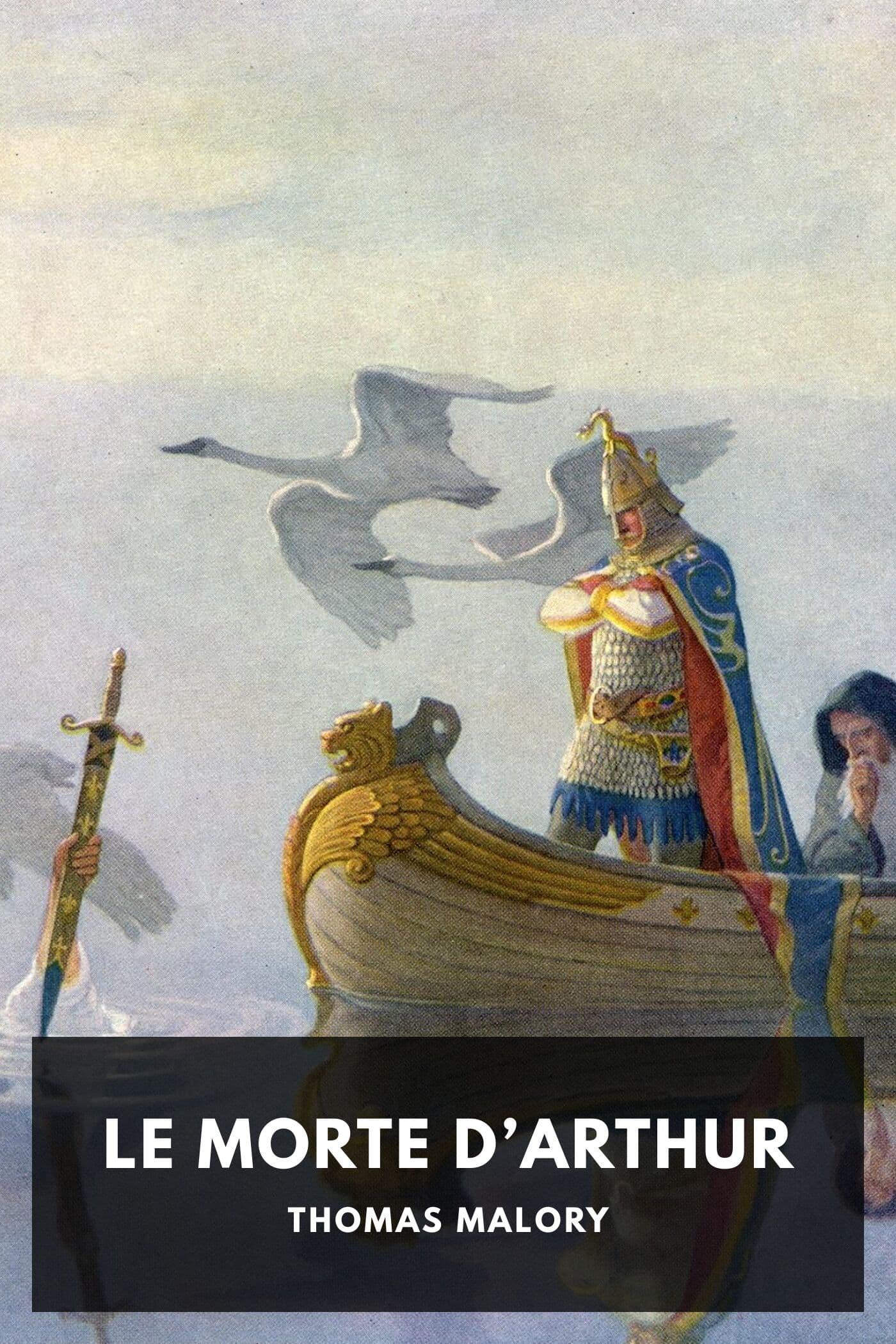
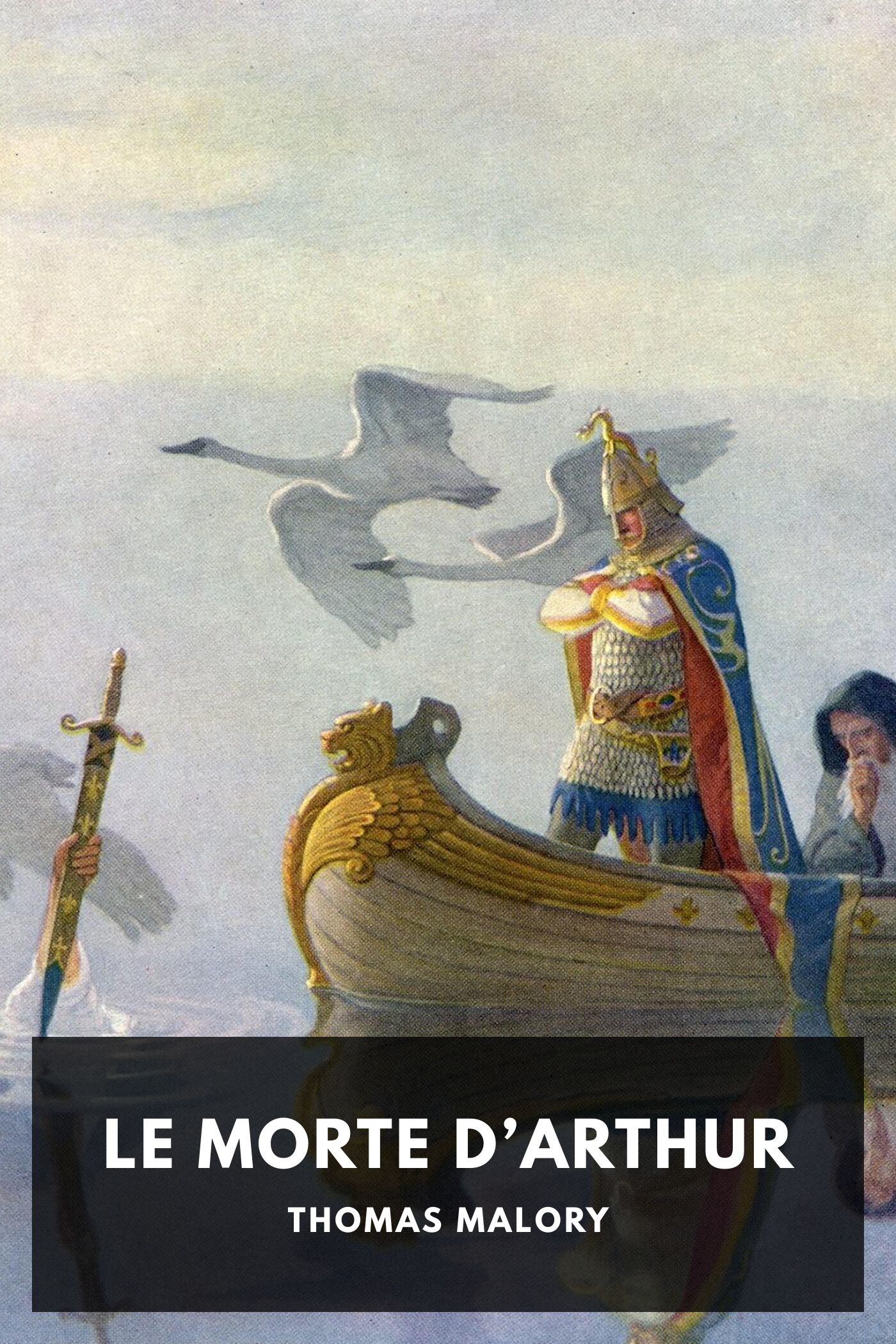
Forget everything you thought you knew about King Arthur, because Thomas Malory’s *Le Morte d’Arthur* is the wellspring from which almost every subsequent legend flows. Malory, writing in the 15th century, didn't invent these tales, but he masterfully wove together hundreds of years of fragmented, primarily French, Arthurian romances—including the familiar figures of Lancelot and the quest for the Holy Grail—into a cohesive, uniquely British epic. From Arthur's mystical rise to power and the establishment of the Round Table, through the glorious chivalry and tragic betrayals of his knights, to the eventual downfall of Camelot, Malory's sprawling narrative captures the full sweep of the Arthurian saga with a grandeur that has rarely been matched. This isn't just a historical curiosity; it's the definitive articulation of the Arthurian myth, shaping everything from Tennyson's poetry to modern blockbusters. Malory's prose, though centuries old, possesses a directness and emotional weight that makes the triumphs and heartbreaks of these legendary figures feel immediate. The enduring mystery of its author—a knight possibly imprisoned for a life of crime, perhaps seeking redemption through tales of chivalry—only adds another layer of intrigue to this foundational work. *Le Morte d’Arthur* isn't just a book; it's the very DNA of a legend, a testament to storytelling's power to transcend time and reshape cultural memory.
Editions
Link to this book
Add a free, dofollow link to Lex on your blog, forum, syllabus, or reading list.

<a href="https://lex-books.com/book/le-morte-d-arthur-b603e998-cfc6-44ee-9ec5-7813eef2e2df"><img src="https://lex-books.com/badges/read-on-lex.svg" alt="Read Le Morte d’Arthur by Thomas Malory free on Lex" width="160" height="40"></a>[](https://lex-books.com/book/le-morte-d-arthur-b603e998-cfc6-44ee-9ec5-7813eef2e2df)[url=https://lex-books.com/book/le-morte-d-arthur-b603e998-cfc6-44ee-9ec5-7813eef2e2df][img]https://lex-books.com/badges/read-on-lex.svg[/img][/url]Read Le Morte d’Arthur by Thomas Malory free on Lex: https://lex-books.com/book/le-morte-d-arthur-b603e998-cfc6-44ee-9ec5-7813eef2e2dfCite this book
Reading this edition for a paper or guide? Copy a citation.
Malory, Thomas. Le Morte d’Arthur. Lex, lex-books.com/book/le-morte-d-arthur-b603e998-cfc6-44ee-9ec5-7813eef2e2df.Malory, T. (n.d.). Le Morte d’Arthur. Lex. https://lex-books.com/book/le-morte-d-arthur-b603e998-cfc6-44ee-9ec5-7813eef2e2dfMalory, Thomas. Le Morte d’Arthur. Lex. https://lex-books.com/book/le-morte-d-arthur-b603e998-cfc6-44ee-9ec5-7813eef2e2df.