King Arthur and the Knights of the Round Table
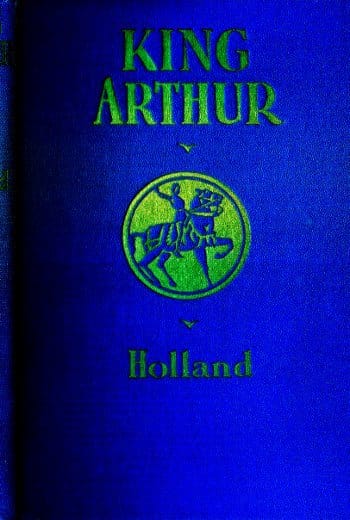
King Arthur and the Knights of the Round Table
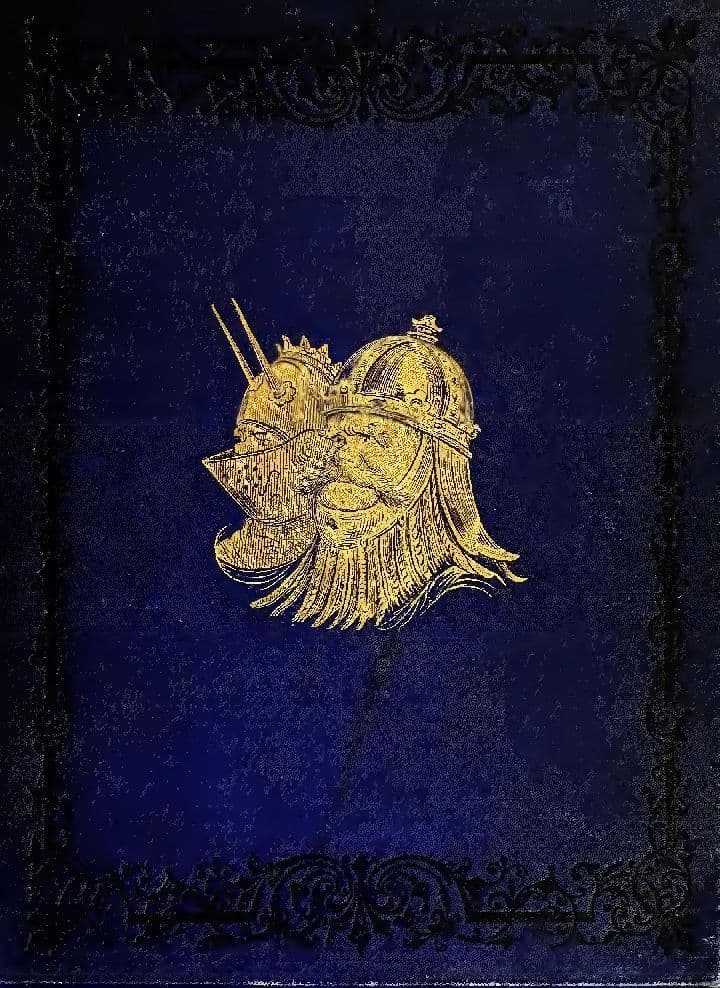
Before Game of Thrones, before Lord of the Rings, there was Camelot. Sir Thomas Malory's monumental 15th-century work assembles the Arthurian legend in all its blood-soaked, romantic glory: the sword pulled from stone, the wizard Merlin's dangerous counsel, the Round Table where equals sit and oath-breakers die. Here knights embark on quests laden with supernatural trials, their honor perpetually tested by faerie enchantments, seductive temptresses, and the gnawing jealousy of Lancelot and Guinevere. This is not sanitized fairy tale. Malory gives us massacre, betrayal, and the slow crumbling of a golden age. The prose is dense, archaic, and magnificent. Six centuries later, this remains the definitive version of the legend, the source from which every Arthurian tale flows. It endures because it captures something true about honor, love, and the price of empire.
Editions
X-Ray
“Yet some men say in many parts of England that King Arthur is not dead, but had by the will of our Lord Jesu into another place; and men say that he shall come again, and he shall win the holy cross.””
— Sir Thomas Malory
“In the midst of the lake Arthur was ware of an arm clothed in white samite, that held a fair sword in that hand. ””
— Sir Thomas Malory
“For I have promised to do the battle to the uttermost, by faith of my body, while me lasteth the life, and therefore I had liefer to die with honour than to live with shame ; and if it were possible for me to die an hundred times, I had liefer to die oft than yield me to thee; for though I lack weapon, I shall lack no worship, and if thou slay me weaponless that shall be thy shame.””
— Sir Thomas Malory
“Better is peace than ever war.””
— Sir Thomas Malory
“O Merlin", said Arthur, "Here hadst thou been slain for all thy crafts had I not been." "Nay," said Merlin, "Not so, for I could save myself an I would; and thou art more near thy death than I am, for thou goest to the deathward, an God be not thy friend.””
— Sir Thomas Malory
“What... is the wind in that door?””
— Sir Thomas Malory
“Sir Tor dressed his shield, and took his spear in his hands, and the other came fiercely upon him, and smote both horse and man to the earth.””
— Sir Thomas Malory
“And when matins and the first mass was done, there was seen in the churchyard, against the high altar, a great stone four square, like unto a marble stone; and in midst thereof was like an anvil of steel a foot on high, and therein stuck a fair sword naked by the point, and letters there were written in gold about the sword that said thus:”
— Sir Thomas Malory
“...and then the threw the sword as far into the water as he might; and there came an arm and a hand above the water and met it, and caught it, and so shook it thrice and brandished, and then vanished away the hand with the sword in the water.””
— Sir Thomas Malory
Link to this book
Add a free, dofollow link to Lex on your blog, forum, syllabus, or reading list.

<a href="https://lex-books.com/book/king-arthur-and-the-knights-of-the-round-table-721e52dd-4a26-4d6d-959a-3a92c37afee7"><img src="https://lex-books.com/badges/read-on-lex.svg" alt="Read King Arthur and the Knights of the Round Table by Sir Thomas Malory free on Lex" width="160" height="40"></a>[](https://lex-books.com/book/king-arthur-and-the-knights-of-the-round-table-721e52dd-4a26-4d6d-959a-3a92c37afee7)[url=https://lex-books.com/book/king-arthur-and-the-knights-of-the-round-table-721e52dd-4a26-4d6d-959a-3a92c37afee7][img]https://lex-books.com/badges/read-on-lex.svg[/img][/url]Read King Arthur and the Knights of the Round Table by Sir Thomas Malory free on Lex: https://lex-books.com/book/king-arthur-and-the-knights-of-the-round-table-721e52dd-4a26-4d6d-959a-3a92c37afee7Cite this book
Reading this edition for a paper or guide? Copy a citation.
Malory, Sir Thomas. King Arthur and the Knights of the Round Table. Lex, lex-books.com/book/king-arthur-and-the-knights-of-the-round-table-721e52dd-4a26-4d6d-959a-3a92c37afee7.Malory, S. T. (n.d.). King Arthur and the Knights of the Round Table. Lex. https://lex-books.com/book/king-arthur-and-the-knights-of-the-round-table-721e52dd-4a26-4d6d-959a-3a92c37afee7Malory, Sir Thomas. King Arthur and the Knights of the Round Table. Lex. https://lex-books.com/book/king-arthur-and-the-knights-of-the-round-table-721e52dd-4a26-4d6d-959a-3a92c37afee7.