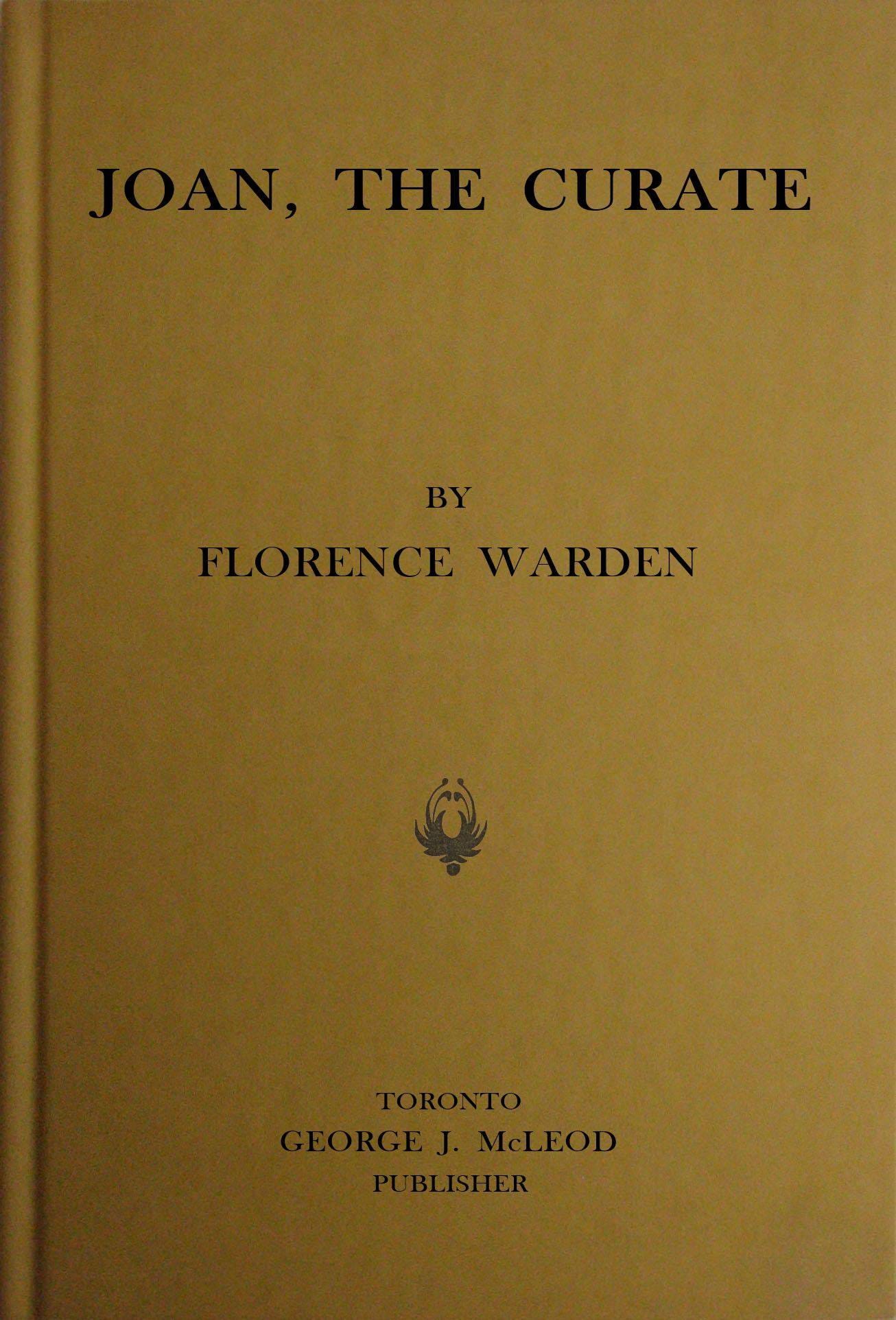
Joan, the Curate
The year is 1748. The Treaty of Aix-la-Chapelle has ended the war with France, but for the marshland communities along the Kent and Sussex coasts, peace brings only new hardships. With trade destroyed and poverty spreading, the smuggling trade flourishes, and the revenue cutters that hunt it grow ever more ruthless. Joan Langney, daughter of a country parson, finds herself thrust into this dangerous world when circumstances demand she take on work normally reserved for men. Among the mist-shrouded marshes and hidden creeks, she must navigate between the law and its breaking, between those who profit from contraband and those who would see them hanged. Her father's cloth means nothing when survival is at stake, and Joan discovers that loyalty to family and loyalty to conscience may demand impossible choices. Florence Warden renders 18th-century rural England in precise, atmospheric detail: the salt-corroded boats, the secret paths known only to locals, the tense standoffs between smugglers and excise men. This is a novel about what people do when the law offers no mercy and poverty offers no alternatives. It endures because Joan's predicament remains startlingly modern: how do you hold onto goodness when goodness seems to offer only ruin?
Editions
Link to this book
Add a free, dofollow link to Lex on your blog, forum, syllabus, or reading list.

<a href="https://lex-books.com/book/joan-the-curate-5a831781-0845-408a-9799-db3fca1f52b1"><img src="https://lex-books.com/badges/read-on-lex.svg" alt="Read Joan, the Curate by Florence Warden free on Lex" width="160" height="40"></a>[](https://lex-books.com/book/joan-the-curate-5a831781-0845-408a-9799-db3fca1f52b1)[url=https://lex-books.com/book/joan-the-curate-5a831781-0845-408a-9799-db3fca1f52b1][img]https://lex-books.com/badges/read-on-lex.svg[/img][/url]Read Joan, the Curate by Florence Warden free on Lex: https://lex-books.com/book/joan-the-curate-5a831781-0845-408a-9799-db3fca1f52b1Cite this book
Reading this edition for a paper or guide? Copy a citation.
Warden, Florence. Joan, the Curate. Lex, lex-books.com/book/joan-the-curate-5a831781-0845-408a-9799-db3fca1f52b1.Warden, F. (n.d.). Joan, the Curate. Lex. https://lex-books.com/book/joan-the-curate-5a831781-0845-408a-9799-db3fca1f52b1Warden, Florence. Joan, the Curate. Lex. https://lex-books.com/book/joan-the-curate-5a831781-0845-408a-9799-db3fca1f52b1.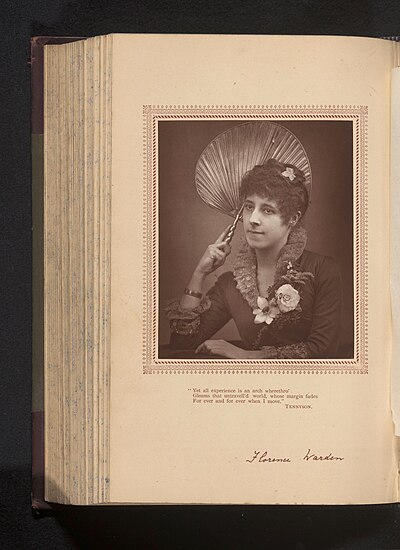
![A Witch of the Hills, V. 1 [Of 2]](/_next/image?url=https%3A%2F%2Fd3b2n8gj62qnwr.cloudfront.net%2FCOVERS%2Fgutenberg_covers75k%2Febook-38291.png&w=3840&q=75)
![A Witch of the Hills, V. 2 [Of 2]](/_next/image?url=https%3A%2F%2Fd3b2n8gj62qnwr.cloudfront.net%2FCOVERS%2Fgutenberg_covers75k%2Febook-38292.png&w=3840&q=75)