What would you like to read?Search books, authors, genres, shelves, users...
Search books, authors, genres, shelves, users...Search books, authors, genres, shelves, users...

What would you like to read?Search books, authors, genres, shelves, users...
Search books, authors, genres, shelves, users...Search books, authors, genres, shelves, users...
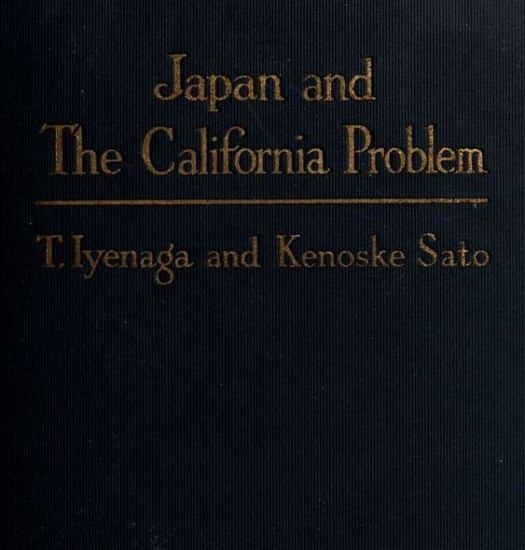
A scholarly examination written in the early 20th century. The book delves into the intricate social, cultural, and political challenges facing Japanese immigrants in California, particularly highlighting the tensions arising from race relations and immigration policies. Through a historical lens, it discusses the implications of these interactions and the larger context of East-West relations. The opening of the book introduces the significant historical backdrop surrounding the Japanese immigration to California. It describes the simultaneous westward expansion of American pioneers in the pursuit of gold and the opening of Japan to the West by Commodore Perry, setting the stage for future cultural encounters. The authors articulate that the conflict between local sentiments and the realities of Japanese immigration is rooted not only in economic competition but also in deep-seated cultural biases and misunderstandings. This is framed as part of a larger struggle for integration and coexistence amid a rapidly evolving global landscape, ultimately questioning why East and West cannot harmoniously coexist despite their intertwined fates.