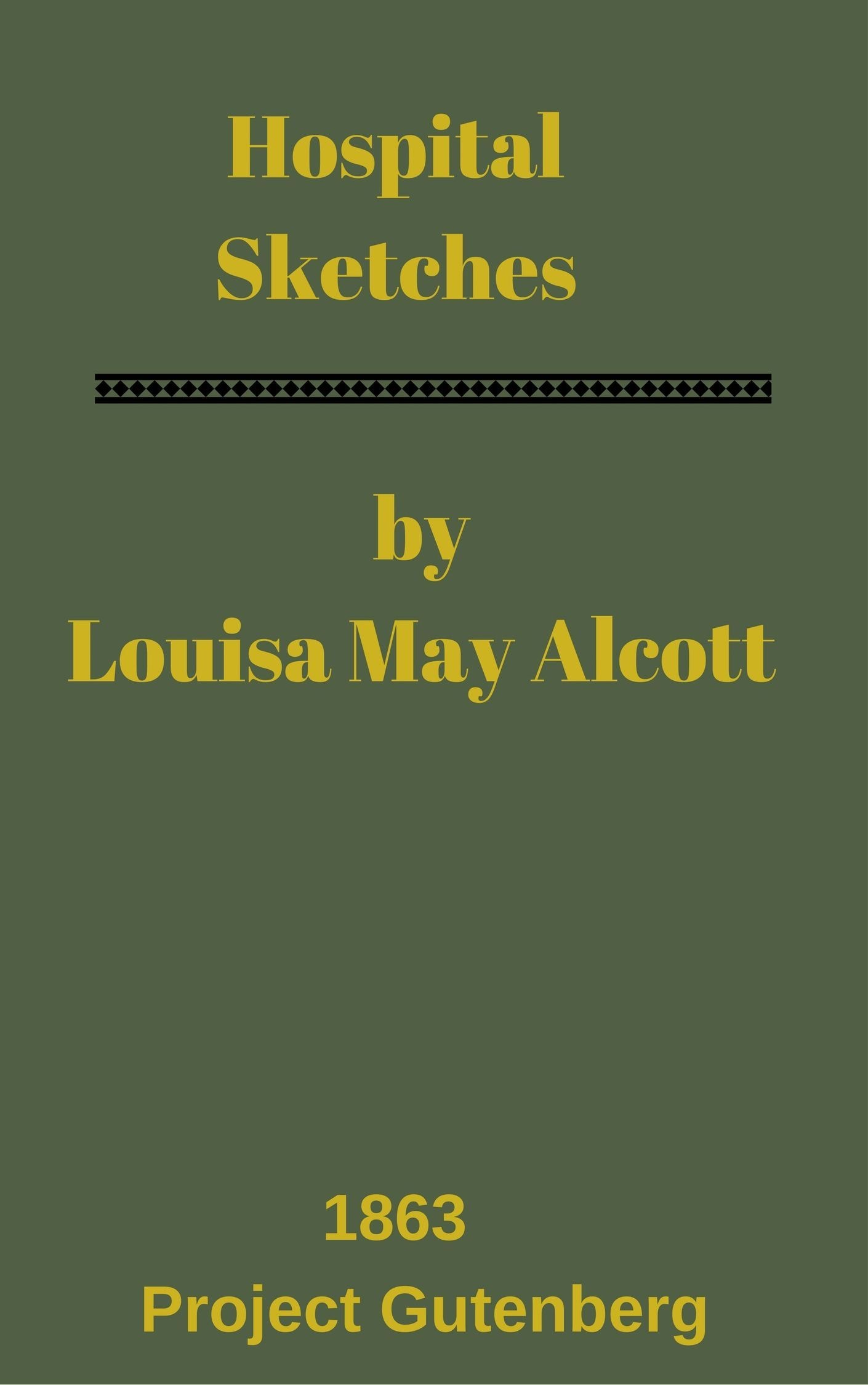
Hospital Sketches
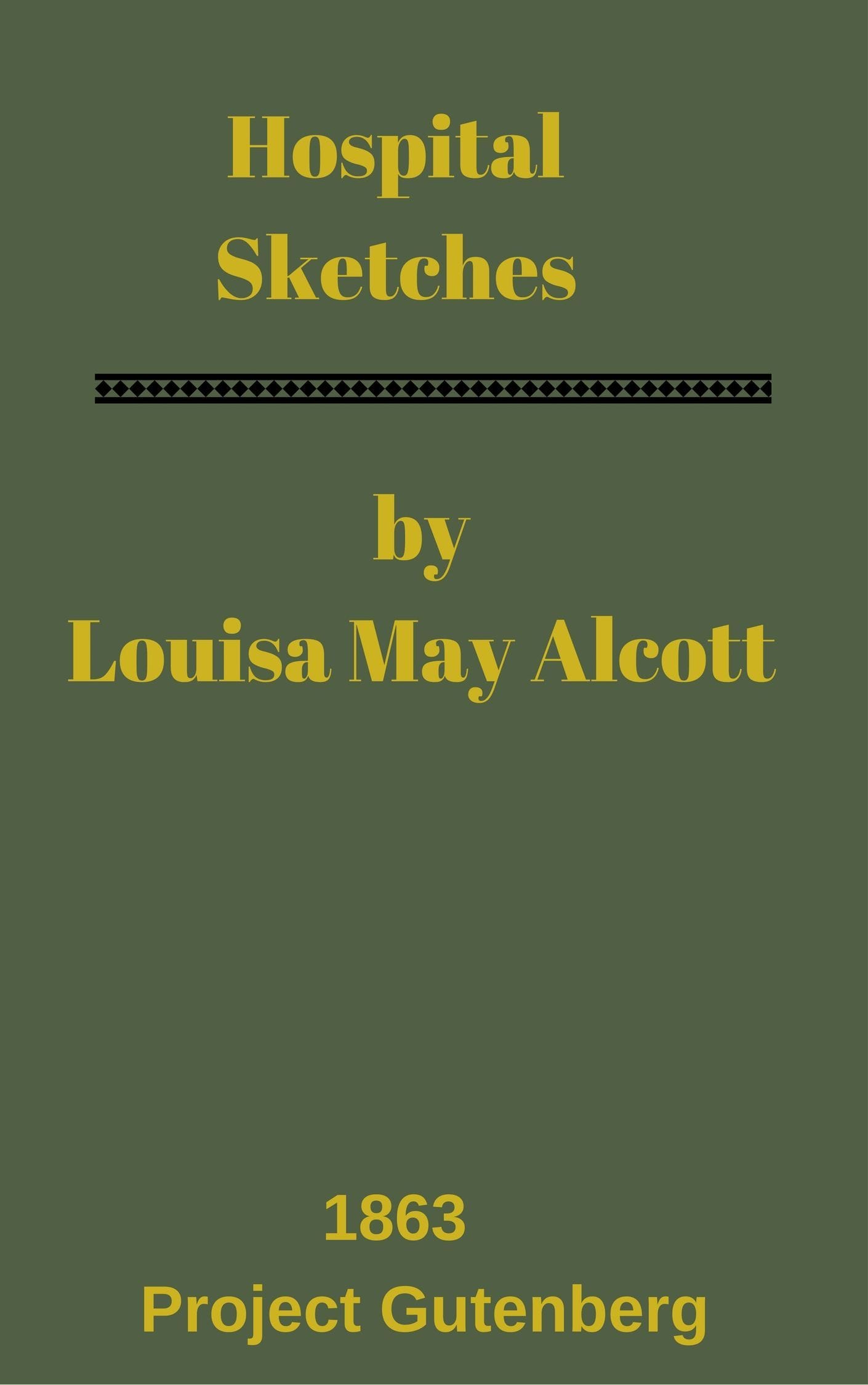
Hospital Sketches
When Louisa May Alcott volunteered as a nurse in the Civil War, she expected purpose and heroism. What she found was chaos, suffering, and a cast of characters both comic and tragic. Writing under the pseudonym Tribulation Periwinkle, Alcott transforms her six weeks at a Georgetown hospital into something unexpected: a work that mixes sharp humor with genuine compassion, bureaucratic satire with moments of profound tenderness toward the wounded young men in her care. The prose fizzes with energy, observational wit, and an undertow of sadness that gives the humor its depth. This was Alcott's first critical success, and it announced a writer far more complex than the domestic novelist her reputation would later suggest. She arrived eager to serve. She left with a book that captures both the absurdities of wartime medical care and the quiet heroism of those who tended the wounded.
Editions
X-Ray
“The snores alone were quite a study, varying from the mild sniff to the stentorian snort, which startled the echoes and hoisted the performer erect to accuse his neighbor of the deed, magnanimously forgive him, and wrapping the drapery of his couch about him, lie down to vocal slumber. After listening for a week to this band of wind instruments, I indulged in the belief that I could recognize each by the snore alone, and was tempted to join the chorus by breaking out with John Brown's favorite hymn: "Blow ye the trumpet, blow!””
— Louisa May Alcott
“As boys going to sea immediately become nautical in speech, walk as if they already had their "sea legs" on, and shiver their timbers on all possible occasions, so I turned military at once, called my dinner my rations, saluted all new comers, and ordered a dress parade that very afternoon.””
— Louisa May Alcott
“As no two persons see the same thing with the same eyes, my view of hospital life must be taken through my glass, and held for what it is worth. Certainly, nothing was set down in malice, and to the serious-minded party who objected to a tone of levity in some portions of the Sketches, I can only say that it is a part of my religion to look well after the cheerfulnesses of life, and let the dismals shift for themselves; believing, with good Sir Thomas More, that it is wise to "be merrie in God.””
— Louisa May Alcott
“Here, my man, just hold it this way, while I look into it a bit," he said one day to Fitz G., putting a wounded arm into the keeping of a sound one, and proceeding to poke about among bits of bone and visible muscles, in a red and black chasm made by some infernal machine of the shot or shell description. Poor Fitz held on like a grim Death, ashamed to show fear before a woman, till it grew more than he could bear in silence; and, after a few smothered groans,he looked at me imploringly, as if he said, "I wouldn't, ma'am, if I could help it," and fainted quietly away. Dr. P. looked up, gave a compassionate sort of cluck, and poked away more busily than ever, with a nod at me and a brief”
— Louisa May Alcott
“Constant complaints were being made of incompetent attendants, and some dozen women did double duty, and then were blamed for breaking down. If any hospital director fancies this a good and economical arrangement, allow one used up nurse to tell him it isn't, and beg him to spare the sisterhood, who sometimes, in their sympathy, forget that they are mortal, and run the risk of being made immortal, sooner than is agreeable to their partial friends.””
— Louisa May Alcott
“Every one seems to be scrubbing their white steps. All the houses look like tidy jails, with their outside shutters. Several have crepe on the door-handles, and many have flags flying from roof or balcony. Few men appear, and the women seem to do the business, which, perhaps, accounts for its being so well done.””
— Louisa May Alcott
“A fat easy gentleman gave me several bits of paper, with coupons attached, with a warning not to separate them which instantly inspired me with a yearning to pluck them apart, and see what came of it.””
— Louisa May Alcott
“Anything more natural and frank I never saw, and found this brave John as bashful as brave, yet full of excellencies and fine aspirations, which, having no power to express themselves in words, seemed to have bloomed into his character and made him what he was.””
— Louisa May Alcott
“Taking these things into consideration, while blinking stupidly at Dr. Z, I resolved to retire gracefully, if I must; so, with a valedictory to my boys, a private lecture to Mrs. Waldman, and a fervent wish that I could take off my body and work in my soul, I mournfully ascended to my apartment, and Nurse P. was reported off-duty.””
— Louisa May Alcott
Link to this book
Add a free, dofollow link to Lex on your blog, forum, syllabus, or reading list.

<a href="https://lex-books.com/book/hospital-sketches-3a74b8f4-2cdd-46d9-b8bf-fa52cd525105"><img src="https://lex-books.com/badges/read-on-lex.svg" alt="Read Hospital Sketches by Louisa May Alcott free on Lex" width="160" height="40"></a>[](https://lex-books.com/book/hospital-sketches-3a74b8f4-2cdd-46d9-b8bf-fa52cd525105)[url=https://lex-books.com/book/hospital-sketches-3a74b8f4-2cdd-46d9-b8bf-fa52cd525105][img]https://lex-books.com/badges/read-on-lex.svg[/img][/url]Read Hospital Sketches by Louisa May Alcott free on Lex: https://lex-books.com/book/hospital-sketches-3a74b8f4-2cdd-46d9-b8bf-fa52cd525105Cite this book
Reading this edition for a paper or guide? Copy a citation.
Alcott, Louisa May. Hospital Sketches. Lex, lex-books.com/book/hospital-sketches-3a74b8f4-2cdd-46d9-b8bf-fa52cd525105.Alcott, L. M. (n.d.). Hospital Sketches. Lex. https://lex-books.com/book/hospital-sketches-3a74b8f4-2cdd-46d9-b8bf-fa52cd525105Alcott, Louisa May. Hospital Sketches. Lex. https://lex-books.com/book/hospital-sketches-3a74b8f4-2cdd-46d9-b8bf-fa52cd525105.