Home Is the Spaceman
1953
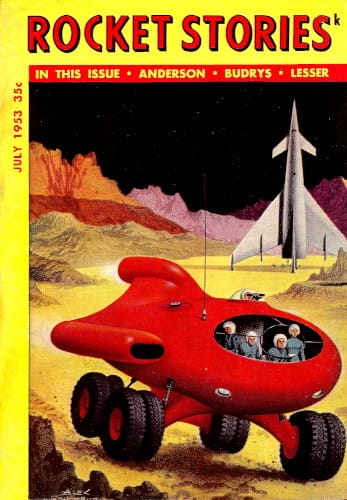
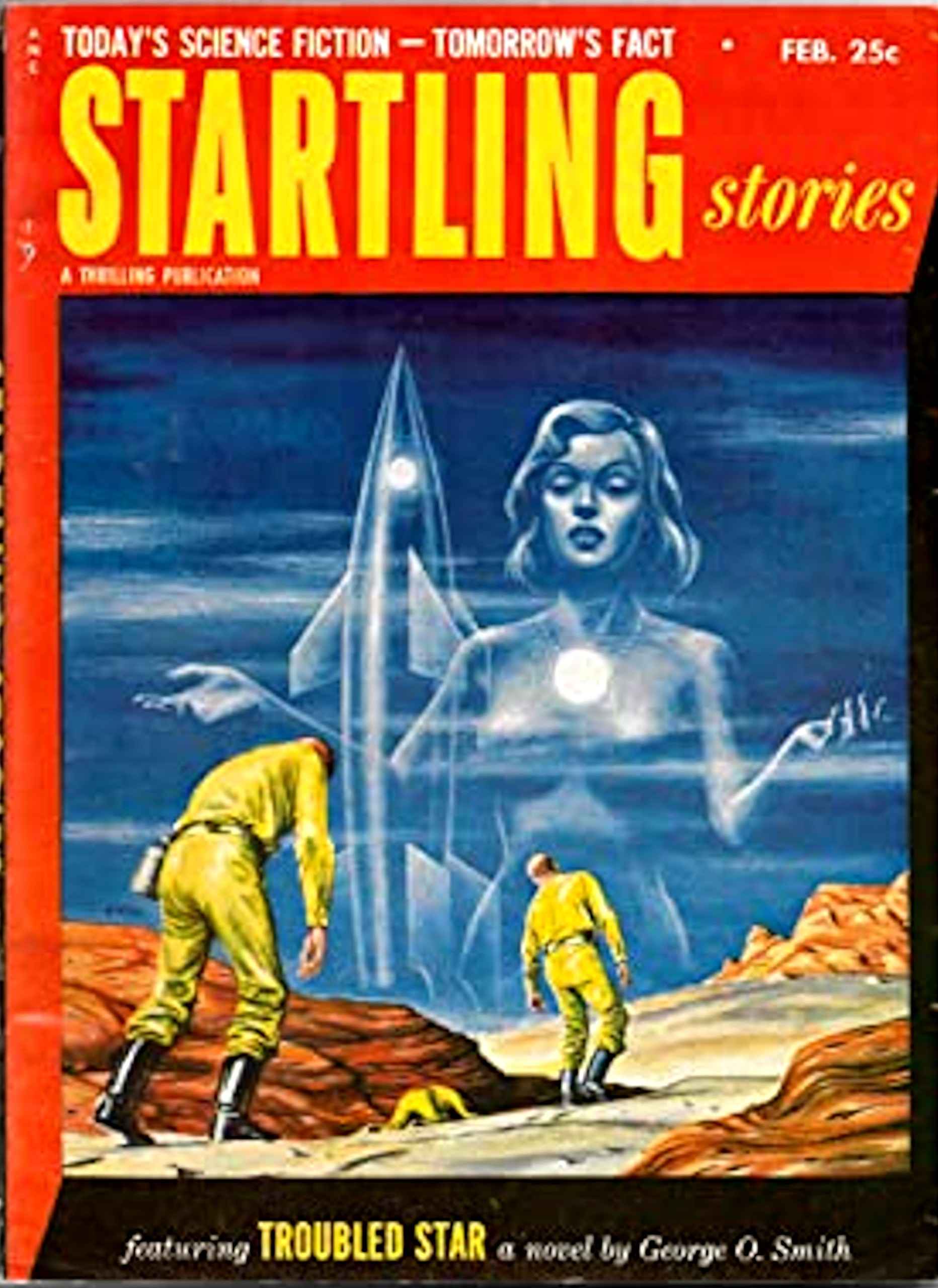
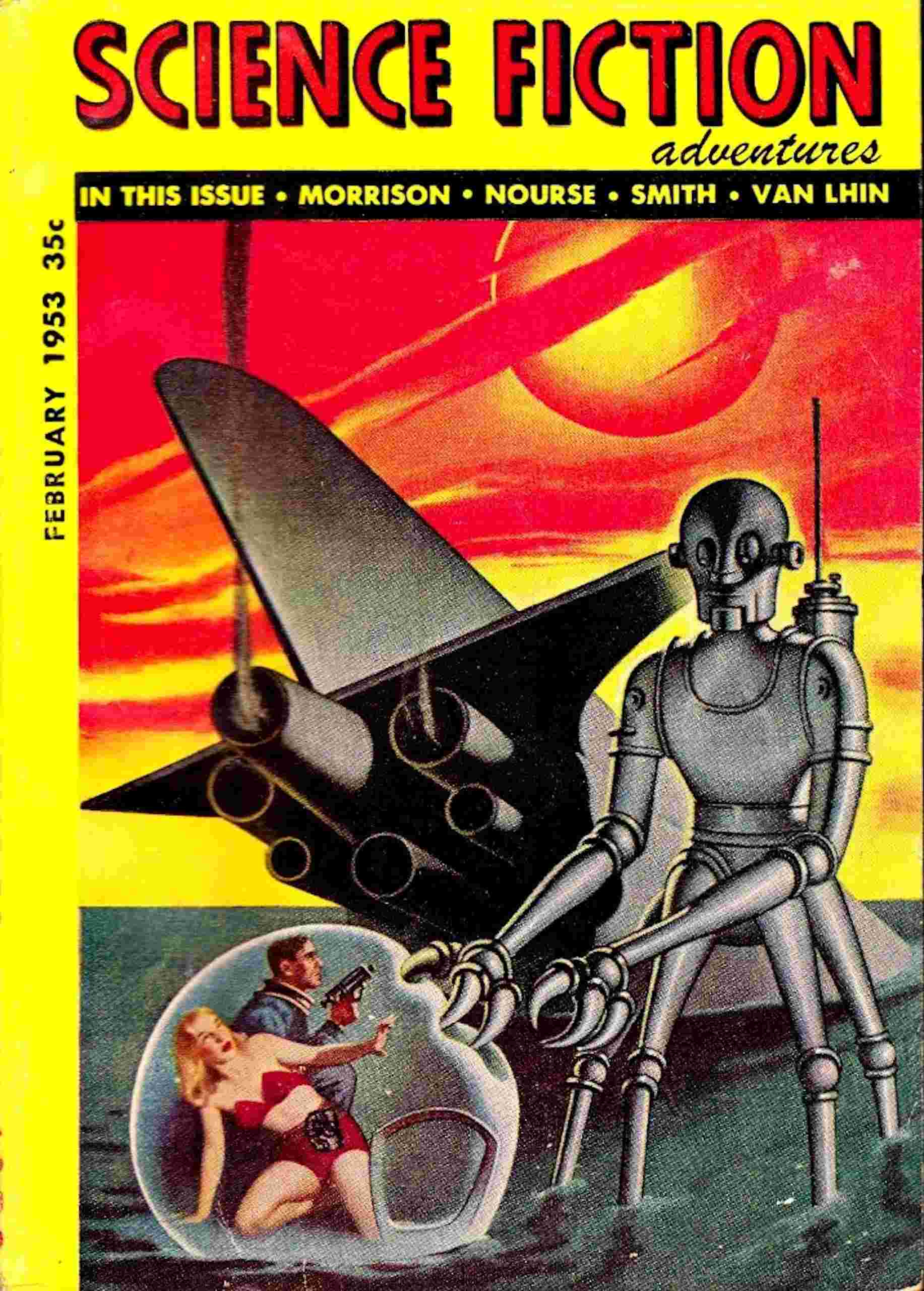
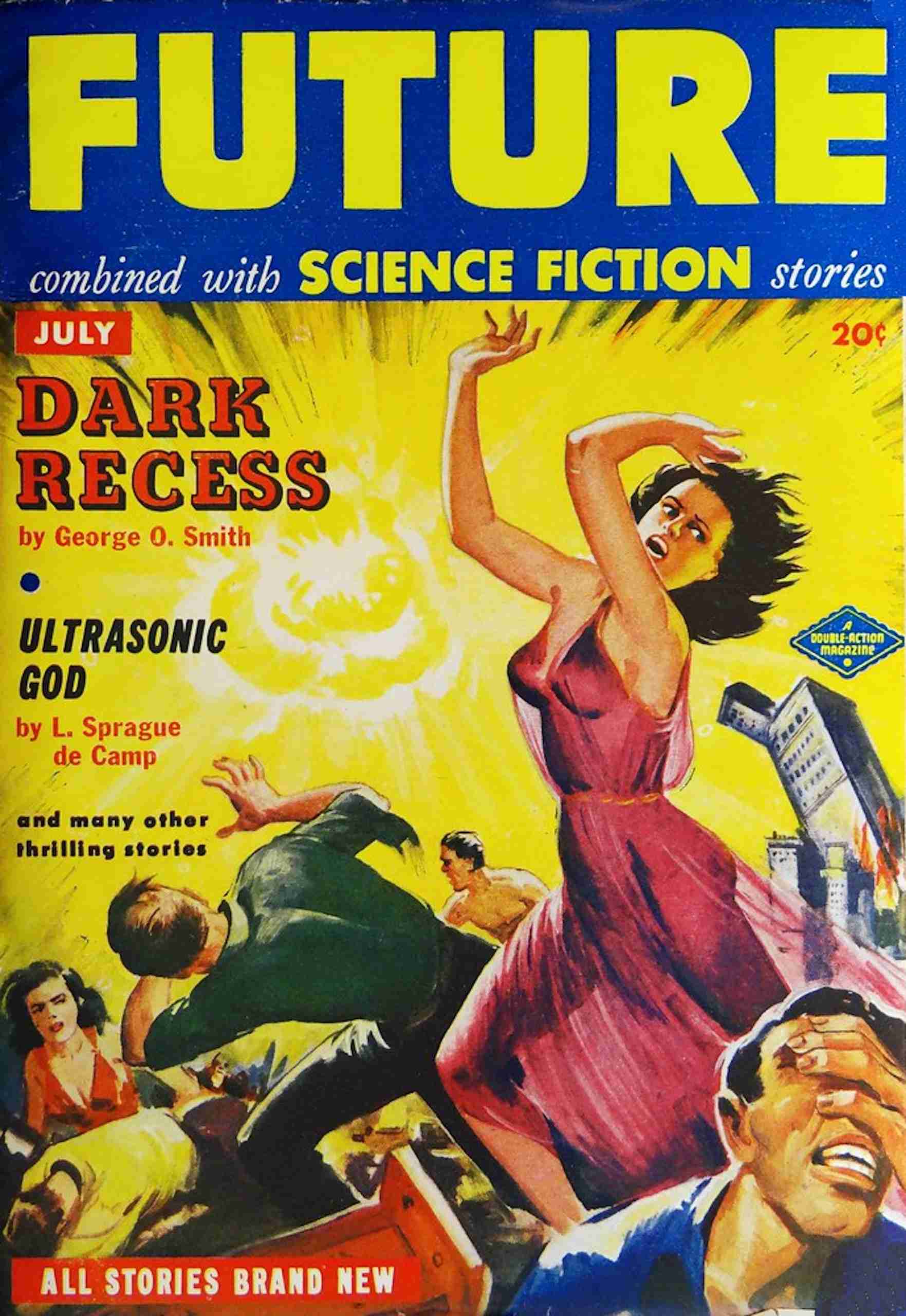
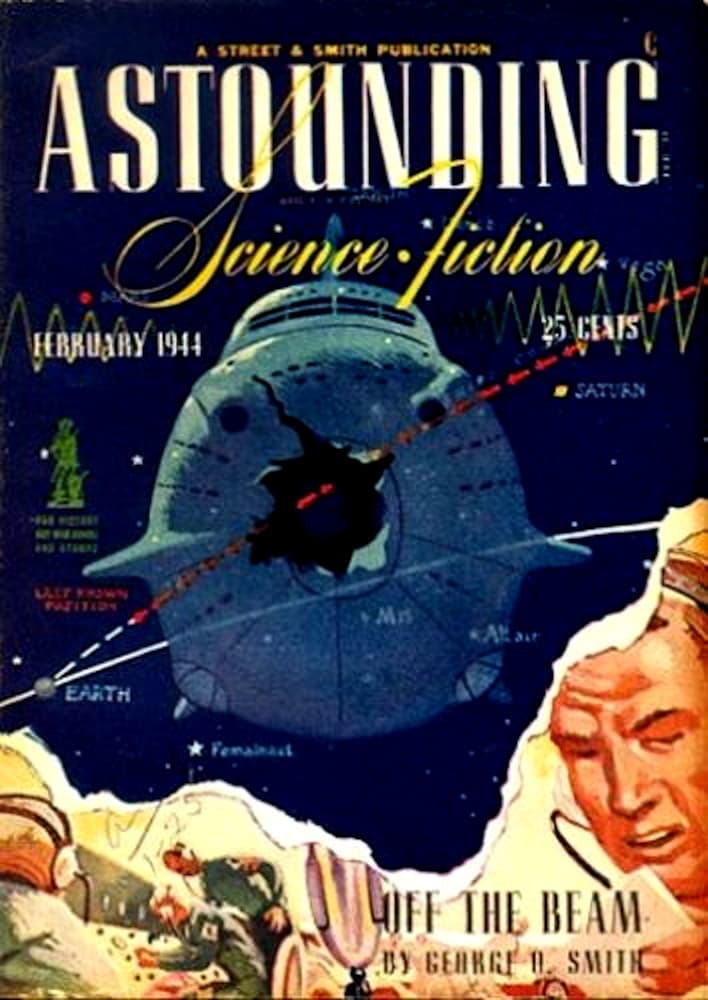
Captain Billy Enright became the first human to travel faster than light. He came home eighteen months later, though his mission was supposed to last twelve hours. The explanation he offers to Earth authorities is magnificent: he was detained by alien police for exceeding the speed limit in space and sentenced to Educational Labor as punishment. But this isn't a prison tale. It's something stranger and funnier. Enright's cosmic traffic violation earns him a strange qualification, a position within an alien bureaucracy meant to bridge humanity's wild new capabilities with a galaxy that prefers order. Written in 1953, this is Golden Age science fiction at its most playful, a story that treats interstellar governance with the same matter-of-fact absurdity as a DMV appointment. Enright is a irrepressibly likable rogue, mixing charm with defiance as he navigates a system designed for beings far more sedate than restless humanity. The novel pokes gentle fun at both human ambition and alien bureaucracy, asking what happens when a species that barely learned to walk suddenly starts running faster than light.
Editions
Link to this book
Add a free, dofollow link to Lex on your blog, forum, syllabus, or reading list.

<a href="https://lex-books.com/book/home-is-the-spaceman-588cfe1c-afee-42f1-9ac7-b3d918af9e1e"><img src="https://lex-books.com/badges/read-on-lex.svg" alt="Read Home Is the Spaceman by George O. Smith free on Lex" width="160" height="40"></a>[](https://lex-books.com/book/home-is-the-spaceman-588cfe1c-afee-42f1-9ac7-b3d918af9e1e)[url=https://lex-books.com/book/home-is-the-spaceman-588cfe1c-afee-42f1-9ac7-b3d918af9e1e][img]https://lex-books.com/badges/read-on-lex.svg[/img][/url]Read Home Is the Spaceman by George O. Smith free on Lex: https://lex-books.com/book/home-is-the-spaceman-588cfe1c-afee-42f1-9ac7-b3d918af9e1eCite this book
Reading this edition for a paper or guide? Copy a citation.
Smith, George O.. Home Is the Spaceman. Lex, lex-books.com/book/home-is-the-spaceman-588cfe1c-afee-42f1-9ac7-b3d918af9e1e.Smith, G. O. (1953). Home Is the Spaceman. Lex. https://lex-books.com/book/home-is-the-spaceman-588cfe1c-afee-42f1-9ac7-b3d918af9e1eSmith, George O.. Home Is the Spaceman. Lex. https://lex-books.com/book/home-is-the-spaceman-588cfe1c-afee-42f1-9ac7-b3d918af9e1e.