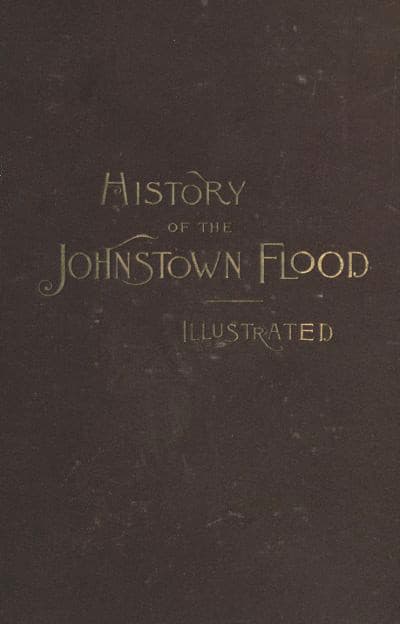
History of the Johnstown Flood
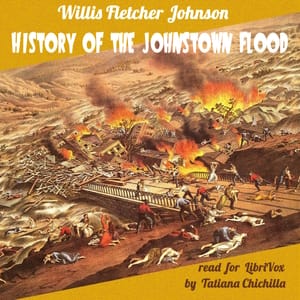
The South Fork Dam held back the waters of the Little Conemaugh River with the casual confidence of men who had never imagined failure. On May 31, 1889, after days of torrential rain, that confidence proved fatal. The dam burst, and a wall of water twenty feet high roared down the valley toward Johnstown, Pennsylvania. In minutes, the city was erased. 2,209 people died in what remains the deadliest civilian disaster in American history before September 11, 2001. Willis Fletcher Johnson witnessed the catastrophe firsthand and recorded it with the precision of a journalist and the urgency of a man who knew he was documenting an event that would shape a generation. This account captures the terror of the flood itself, the heroic (and often chaotic) relief efforts that followed, and the unsettling truth that the dam's failure was not merely an act of God. The wealthy industrialists who owned the South Fork Fishing Club had neglected critical repairs to create a pristine lake for their exclusive recreational use. When the waters receded, so did any meaningful accountability for the men whose negligence had killed thousands. A harrowing chronicle of American tragedy, resilience, and the uncomfortable relationship between wealth and justice in the Gilded Age.
Editions

Link to this book
Add a free, dofollow link to Lex on your blog, forum, syllabus, or reading list.

<a href="https://lex-books.com/book/history-of-the-johnstown-flood-03a8b633-582c-43cf-a9c3-385028fbb75a"><img src="https://lex-books.com/badges/read-on-lex.svg" alt="Read History of the Johnstown Flood by Willis Fletcher Johnson free on Lex" width="160" height="40"></a>[](https://lex-books.com/book/history-of-the-johnstown-flood-03a8b633-582c-43cf-a9c3-385028fbb75a)[url=https://lex-books.com/book/history-of-the-johnstown-flood-03a8b633-582c-43cf-a9c3-385028fbb75a][img]https://lex-books.com/badges/read-on-lex.svg[/img][/url]Read History of the Johnstown Flood by Willis Fletcher Johnson free on Lex: https://lex-books.com/book/history-of-the-johnstown-flood-03a8b633-582c-43cf-a9c3-385028fbb75aCite this book
Reading this edition for a paper or guide? Copy a citation.
Johnson, Willis Fletcher. History of the Johnstown Flood. Lex, lex-books.com/book/history-of-the-johnstown-flood-03a8b633-582c-43cf-a9c3-385028fbb75a.Johnson, W. F. (n.d.). History of the Johnstown Flood. Lex. https://lex-books.com/book/history-of-the-johnstown-flood-03a8b633-582c-43cf-a9c3-385028fbb75aJohnson, Willis Fletcher. History of the Johnstown Flood. Lex. https://lex-books.com/book/history-of-the-johnstown-flood-03a8b633-582c-43cf-a9c3-385028fbb75a.