History of the Johnstown Flood: Including All the Fearful Record; The Breaking of the South Fork Dam; The Sweeping Out of the Conemaugh Valley; The Over-Throw of Johnstown; The Massing of the Wreck at the Railroad Bridge; Escapes, Rescues, Searches for Survivors and the Dead; Relief Organizations, Stupendous Charities, Etc., Etc., with Full Accounts Also of the Destruction on the Susquehanna and Juniata Rivers, and the Bald Eagle Creek.
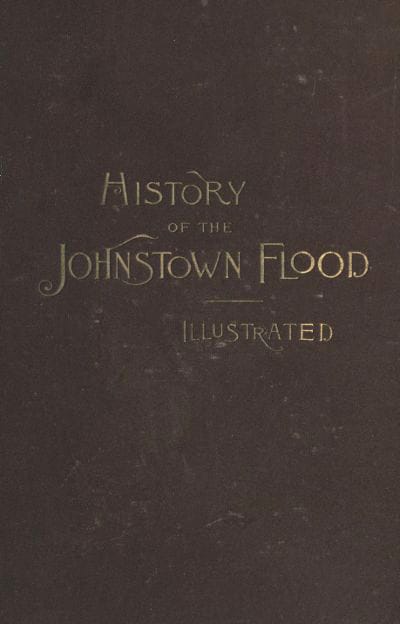
History of the Johnstown Flood: Including All the Fearful Record; The Breaking of the South Fork Dam; The Sweeping Out of the Conemaugh Valley; The Over-Throw of Johnstown; The Massing of the Wreck at the Railroad Bridge; Escapes, Rescues, Searches for Survivors and the Dead; Relief Organizations, Stupendous Charities, Etc., Etc., with Full Accounts Also of the Destruction on the Susquehanna and Juniata Rivers, and the Bald Eagle Creek.
On May 31, 1889, fourteen million tons of water roared down the Conemaugh Valley when the South Fork Dam collapsed, wiping Johnstown off the map in minutes. Willis Fletcher Johnson was on the ground within days of the catastrophe, and this account captures the horror in real time: the wall of water rising thirty feet high, the twenty-mile path of annihilation, bodies tangled in the wreckage at the railroad bridge, and the uncanny rescues that emerged from the mud. But this is more than a disaster chronicle. Johnson exposes the dam's wealthy owners, including Andrew Carnegie and Henry Clay Frick, who had weakened the structure to create an exclusive fishing club, ignoring warnings that the structure would fail. Over 2,200 people died, many of them women and children. The book documents the stunned national response, the relief organizations that mobilized, and the questions that linger about whether this was nature's wrath or human arrogance. A vital primary source that reads like dystopian fiction, except every word is true.
Editions
Link to this book
Add a free, dofollow link to Lex on your blog, forum, syllabus, or reading list.

<a href="https://lex-books.com/book/history-of-the-johnstown-flood-including-all-the-fearful-record-the-breaking-of--516210f6-ef61-456d-af30-a1d85f7f99f7"><img src="https://lex-books.com/badges/read-on-lex.svg" alt="Read History of the Johnstown Flood: Including All the Fearful Record; The Breaking of the South Fork Dam; The Sweeping Out of the Conemaugh Valley; The Over-Throw of Johnstown; The Massing of the Wreck at the Railroad Bridge; Escapes, Rescues, Searches for Survivors and the Dead; Relief Organizations, Stupendous Charities, Etc., Etc., with Full Accounts Also of the Destruction on the Susquehanna and Juniata Rivers, and the Bald Eagle Creek. by Willis Fletcher Johnson free on Lex" width="160" height="40"></a>[](https://lex-books.com/book/history-of-the-johnstown-flood-including-all-the-fearful-record-the-breaking-of--516210f6-ef61-456d-af30-a1d85f7f99f7)[url=https://lex-books.com/book/history-of-the-johnstown-flood-including-all-the-fearful-record-the-breaking-of--516210f6-ef61-456d-af30-a1d85f7f99f7][img]https://lex-books.com/badges/read-on-lex.svg[/img][/url]Read History of the Johnstown Flood: Including All the Fearful Record; The Breaking of the South Fork Dam; The Sweeping Out of the Conemaugh Valley; The Over-Throw of Johnstown; The Massing of the Wreck at the Railroad Bridge; Escapes, Rescues, Searches for Survivors and the Dead; Relief Organizations, Stupendous Charities, Etc., Etc., with Full Accounts Also of the Destruction on the Susquehanna and Juniata Rivers, and the Bald Eagle Creek. by Willis Fletcher Johnson free on Lex: https://lex-books.com/book/history-of-the-johnstown-flood-including-all-the-fearful-record-the-breaking-of--516210f6-ef61-456d-af30-a1d85f7f99f7Cite this book
Reading this edition for a paper or guide? Copy a citation.
Johnson, Willis Fletcher. History of the Johnstown Flood: Including All the Fearful Record; The Breaking of the South Fork Dam; The Sweeping Out of the Conemaugh Valley; The Over-Throw of Johnstown; The Massing of the Wreck at the Railroad Bridge; Escapes, Rescues, Searches for Survivors and the Dead; Relief Organizations, Stupendous Charities, Etc., Etc., with Full Accounts Also of the Destruction on the Susquehanna and Juniata Rivers, and the Bald Eagle Creek.. Lex, lex-books.com/book/history-of-the-johnstown-flood-including-all-the-fearful-record-the-breaking-of--516210f6-ef61-456d-af30-a1d85f7f99f7.Johnson, W. F. (n.d.). History of the Johnstown Flood: Including All the Fearful Record; The Breaking of the South Fork Dam; The Sweeping Out of the Conemaugh Valley; The Over-Throw of Johnstown; The Massing of the Wreck at the Railroad Bridge; Escapes, Rescues, Searches for Survivors and the Dead; Relief Organizations, Stupendous Charities, Etc., Etc., with Full Accounts Also of the Destruction on the Susquehanna and Juniata Rivers, and the Bald Eagle Creek.. Lex. https://lex-books.com/book/history-of-the-johnstown-flood-including-all-the-fearful-record-the-breaking-of--516210f6-ef61-456d-af30-a1d85f7f99f7Johnson, Willis Fletcher. History of the Johnstown Flood: Including All the Fearful Record; The Breaking of the South Fork Dam; The Sweeping Out of the Conemaugh Valley; The Over-Throw of Johnstown; The Massing of the Wreck at the Railroad Bridge; Escapes, Rescues, Searches for Survivors and the Dead; Relief Organizations, Stupendous Charities, Etc., Etc., with Full Accounts Also of the Destruction on the Susquehanna and Juniata Rivers, and the Bald Eagle Creek.. Lex. https://lex-books.com/book/history-of-the-johnstown-flood-including-all-the-fearful-record-the-breaking-of--516210f6-ef61-456d-af30-a1d85f7f99f7.