Heresy: Its Utility and Morality. a Plea and a Justification
Heresy: Its Utility and Morality. a Plea and a Justification
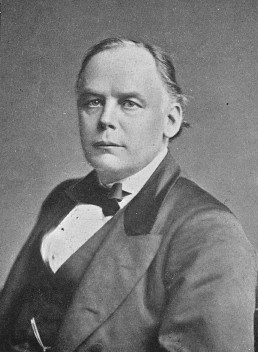
In late Victorian England, a man who had been denied his seat in Parliament, prosecuted for blasphemy, and vilified as an enemy of God wrote a radical defense of intellectual rebellion. That man was Charles Bradlaugh, and in this fierce, closely reasoned treatise, he asks a question that still reverberates: what if heresy is not a disease but a cure? Bradlaugh systematically dismantles the assumption that orthodoxy equals truth, pointing out that most believers hold their views through inherited habit rather than genuine inquiry. He traces a lineage of progress through figures the establishment once condemned - scientists, reformers, thinkers whose "heretical" ideas became the foundations we now take for granted. The argument is not merely philosophical but deeply personal: Bradlaugh knew firsthand the cost of dissent, and his plea for tolerance carries the weight of lived experience. What emerges is a passionate assertion that societies stagnate when they police thought, and that the heretic - far from being a threat - is often humanity's most valuable friend.
Editions
Link to this book
Add a free, dofollow link to Lex on your blog, forum, syllabus, or reading list.

<a href="https://lex-books.com/book/heresy-its-utility-and-morality-a-plea-and-a-justification-083c0328-b586-4077-8fd8-a33d1f755fdd"><img src="https://lex-books.com/badges/read-on-lex.svg" alt="Read Heresy: Its Utility and Morality. a Plea and a Justification by Charles Bradlaugh free on Lex" width="160" height="40"></a>[](https://lex-books.com/book/heresy-its-utility-and-morality-a-plea-and-a-justification-083c0328-b586-4077-8fd8-a33d1f755fdd)[url=https://lex-books.com/book/heresy-its-utility-and-morality-a-plea-and-a-justification-083c0328-b586-4077-8fd8-a33d1f755fdd][img]https://lex-books.com/badges/read-on-lex.svg[/img][/url]Read Heresy: Its Utility and Morality. a Plea and a Justification by Charles Bradlaugh free on Lex: https://lex-books.com/book/heresy-its-utility-and-morality-a-plea-and-a-justification-083c0328-b586-4077-8fd8-a33d1f755fddCite this book
Reading this edition for a paper or guide? Copy a citation.
Bradlaugh, Charles. Heresy: Its Utility and Morality. a Plea and a Justification. Lex, lex-books.com/book/heresy-its-utility-and-morality-a-plea-and-a-justification-083c0328-b586-4077-8fd8-a33d1f755fdd.Bradlaugh, C. (n.d.). Heresy: Its Utility and Morality. a Plea and a Justification. Lex. https://lex-books.com/book/heresy-its-utility-and-morality-a-plea-and-a-justification-083c0328-b586-4077-8fd8-a33d1f755fddBradlaugh, Charles. Heresy: Its Utility and Morality. a Plea and a Justification. Lex. https://lex-books.com/book/heresy-its-utility-and-morality-a-plea-and-a-justification-083c0328-b586-4077-8fd8-a33d1f755fdd.