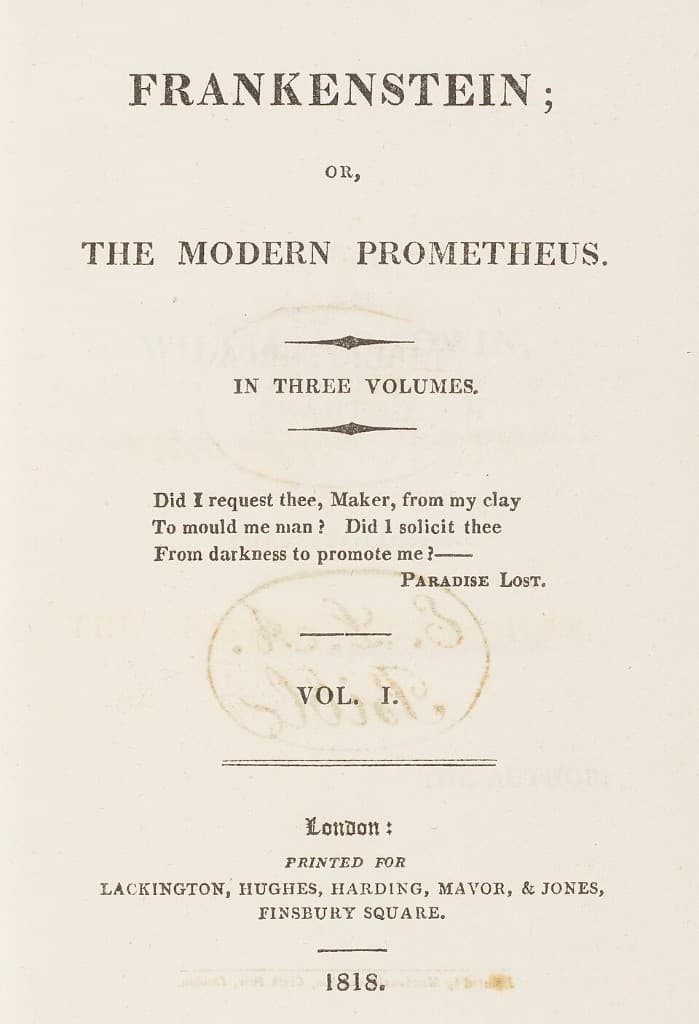
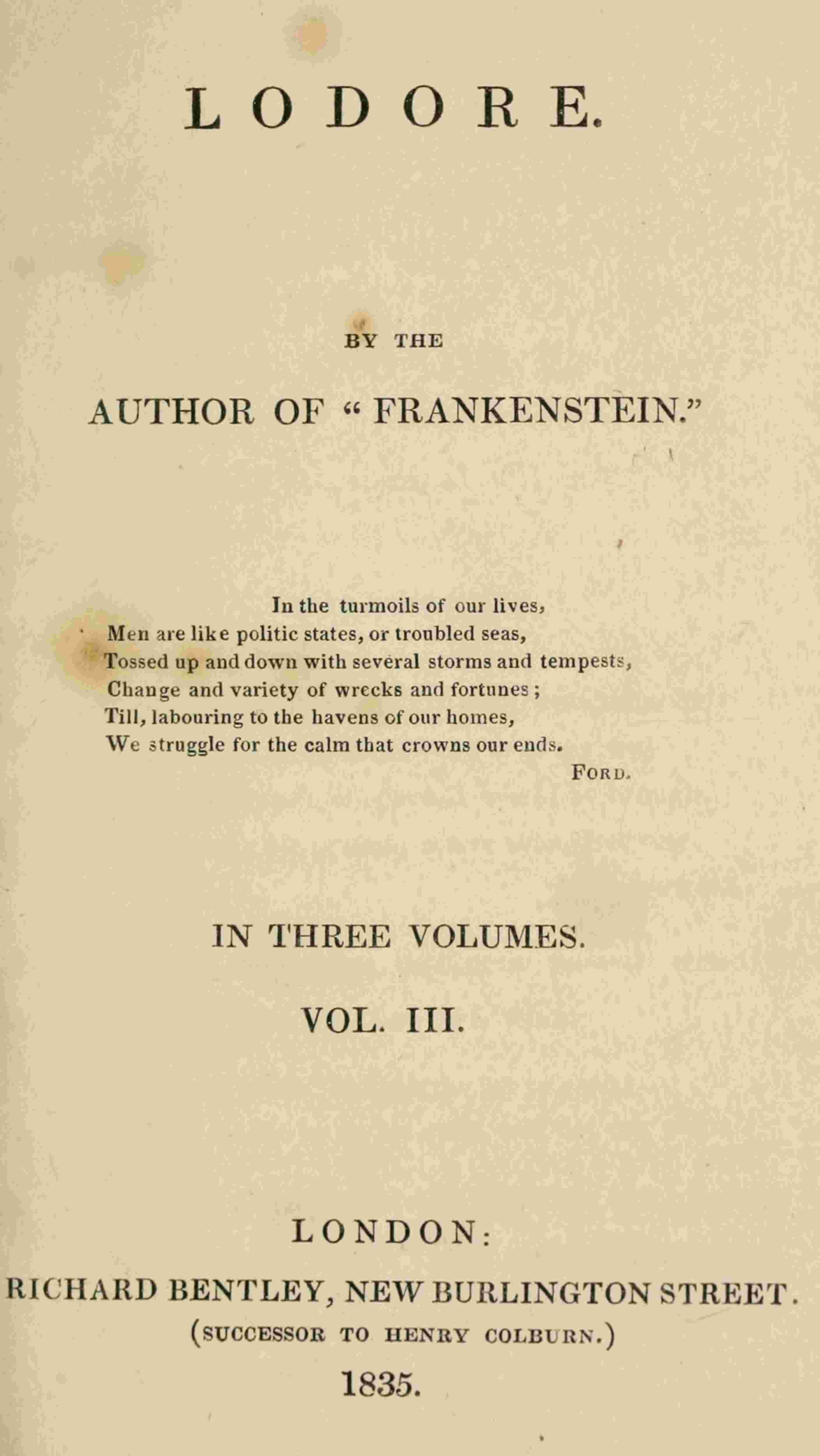
Frankenstein, or The Modern Prometheus (Edition 1831)

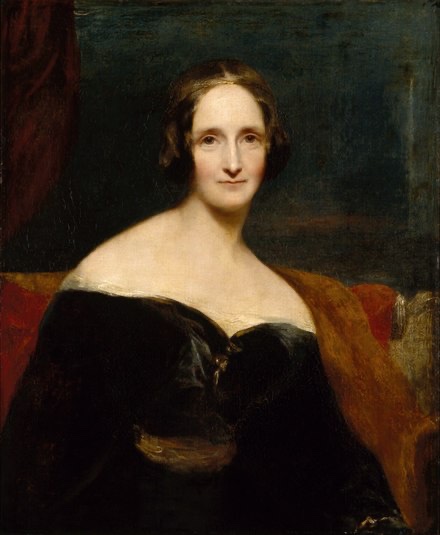
The year is 1816. Lord Byron's Swiss villa hums with ghost stories, and an eighteen-year-old girl imagines a scientist so consumed by ambition that he brings forth life, then recoils in horror from what he's made. That vision became Frankenstein, and two centuries later it remains the most unsettling meditation on creation and abandonment ever written. Victor Frankenstein doesn't just build a creature, he forges a living being, then abandons it in disgust, leaving it to learn loneliness, rejection, and rage from a world that despises it on sight. The creature's eloquent pleas for a companion become unbearable because we recognize the justice in his suffering. What follows is a reckoning: Victor's destruction as he confronts what he has made and refused to love. This is the novel that invented science fiction, but its true horror isn't lightning or anatomy, it's the question of what we owe to the things we bring into existence, and what happens when we walk away.
Editions


Link to this book
Add a free, dofollow link to Lex on your blog, forum, syllabus, or reading list.

<a href="https://lex-books.com/book/frankenstein-or-the-modern-prometheus-edition-1831-c8ace99b-b273-4215-9f6c-b8f6180ba3a9"><img src="https://lex-books.com/badges/read-on-lex.svg" alt="Read Frankenstein, or The Modern Prometheus (Edition 1831) by Mary Wollstonecraft Shelley free on Lex" width="160" height="40"></a>[](https://lex-books.com/book/frankenstein-or-the-modern-prometheus-edition-1831-c8ace99b-b273-4215-9f6c-b8f6180ba3a9)[url=https://lex-books.com/book/frankenstein-or-the-modern-prometheus-edition-1831-c8ace99b-b273-4215-9f6c-b8f6180ba3a9][img]https://lex-books.com/badges/read-on-lex.svg[/img][/url]Read Frankenstein, or The Modern Prometheus (Edition 1831) by Mary Wollstonecraft Shelley free on Lex: https://lex-books.com/book/frankenstein-or-the-modern-prometheus-edition-1831-c8ace99b-b273-4215-9f6c-b8f6180ba3a9Cite this book
Reading this edition for a paper or guide? Copy a citation.
Shelley, Mary Wollstonecraft. Frankenstein, or The Modern Prometheus (Edition 1831). Lex, lex-books.com/book/frankenstein-or-the-modern-prometheus-edition-1831-c8ace99b-b273-4215-9f6c-b8f6180ba3a9.Shelley, M. W. (n.d.). Frankenstein, or The Modern Prometheus (Edition 1831). Lex. https://lex-books.com/book/frankenstein-or-the-modern-prometheus-edition-1831-c8ace99b-b273-4215-9f6c-b8f6180ba3a9Shelley, Mary Wollstonecraft. Frankenstein, or The Modern Prometheus (Edition 1831). Lex. https://lex-books.com/book/frankenstein-or-the-modern-prometheus-edition-1831-c8ace99b-b273-4215-9f6c-b8f6180ba3a9.