Flower, Fruit, and Thorn Pieces;Or, The Wedded Life, Death, and Marriage of Firmian Stanislaus Siebenkaes, Parish Advocate in the Burgh of Kuhschnappel.
1796
Flower, Fruit, and Thorn Pieces;Or, The Wedded Life, Death, and Marriage of Firmian Stanislaus Siebenkaes, Parish Advocate in the Burgh of Kuhschnappel.
1796
Translated by A. (Alexander) Ewing
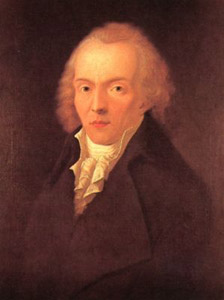
Jean Paul's eccentric masterpiece introduces Firmian Stanislaus Siebenkæs, a parish advocate in the backwater burgh of Kuhschnappel, as he awaits his bride on the morning of their wedding. What follows is neither straightforward romance nor simple satire, but something far stranger: a digressive, wildly inventive portrait of one man's attempt to navigate the absurd ceremonies, petty hypocrisies, and quiet torments of married life. Siebenkæs is neither hero nor victim. He is something more valuable in Jean Paul's hands: a gently ridiculous philosopher, forever puncturing the solemnity around him while remaining thoroughly ensnared in the very conventions he mocks. The novel moves between broad comedy and unexpected tenderness, between savage local satire and genuine philosophical longing. Written in 1796, it announces a writer who would become the darling of German Romanticism, a novelist who believed that humor, not tragedy, was the truest lens through which to examine the human condition. For readers who have ever wondered what lies beneath the surface of ordinary life, and found that wonder hilarious.
Editions
Link to this book
Add a free, dofollow link to Lex on your blog, forum, syllabus, or reading list.

<a href="https://lex-books.com/book/flower-fruit-and-thorn-pieces-or-the-wedded-life-death-and-marriage-of-firmian-s-7eeb3c7c-5659-4949-a964-9a9ebb607776"><img src="https://lex-books.com/badges/read-on-lex.svg" alt="Read Flower, Fruit, and Thorn Pieces;Or, The Wedded Life, Death, and Marriage of Firmian Stanislaus Siebenkaes, Parish Advocate in the Burgh of Kuhschnappel. by Jean Paul free on Lex" width="160" height="40"></a>[](https://lex-books.com/book/flower-fruit-and-thorn-pieces-or-the-wedded-life-death-and-marriage-of-firmian-s-7eeb3c7c-5659-4949-a964-9a9ebb607776)[url=https://lex-books.com/book/flower-fruit-and-thorn-pieces-or-the-wedded-life-death-and-marriage-of-firmian-s-7eeb3c7c-5659-4949-a964-9a9ebb607776][img]https://lex-books.com/badges/read-on-lex.svg[/img][/url]Read Flower, Fruit, and Thorn Pieces;Or, The Wedded Life, Death, and Marriage of Firmian Stanislaus Siebenkaes, Parish Advocate in the Burgh of Kuhschnappel. by Jean Paul free on Lex: https://lex-books.com/book/flower-fruit-and-thorn-pieces-or-the-wedded-life-death-and-marriage-of-firmian-s-7eeb3c7c-5659-4949-a964-9a9ebb607776Cite this book
Reading this edition for a paper or guide? Copy a citation.
Paul, Jean. Flower, Fruit, and Thorn Pieces;Or, The Wedded Life, Death, and Marriage of Firmian Stanislaus Siebenkaes, Parish Advocate in the Burgh of Kuhschnappel.. Lex, lex-books.com/book/flower-fruit-and-thorn-pieces-or-the-wedded-life-death-and-marriage-of-firmian-s-7eeb3c7c-5659-4949-a964-9a9ebb607776.Paul, J. (1796). Flower, Fruit, and Thorn Pieces;Or, The Wedded Life, Death, and Marriage of Firmian Stanislaus Siebenkaes, Parish Advocate in the Burgh of Kuhschnappel.. Lex. https://lex-books.com/book/flower-fruit-and-thorn-pieces-or-the-wedded-life-death-and-marriage-of-firmian-s-7eeb3c7c-5659-4949-a964-9a9ebb607776Paul, Jean. Flower, Fruit, and Thorn Pieces;Or, The Wedded Life, Death, and Marriage of Firmian Stanislaus Siebenkaes, Parish Advocate in the Burgh of Kuhschnappel.. Lex. https://lex-books.com/book/flower-fruit-and-thorn-pieces-or-the-wedded-life-death-and-marriage-of-firmian-s-7eeb3c7c-5659-4949-a964-9a9ebb607776.