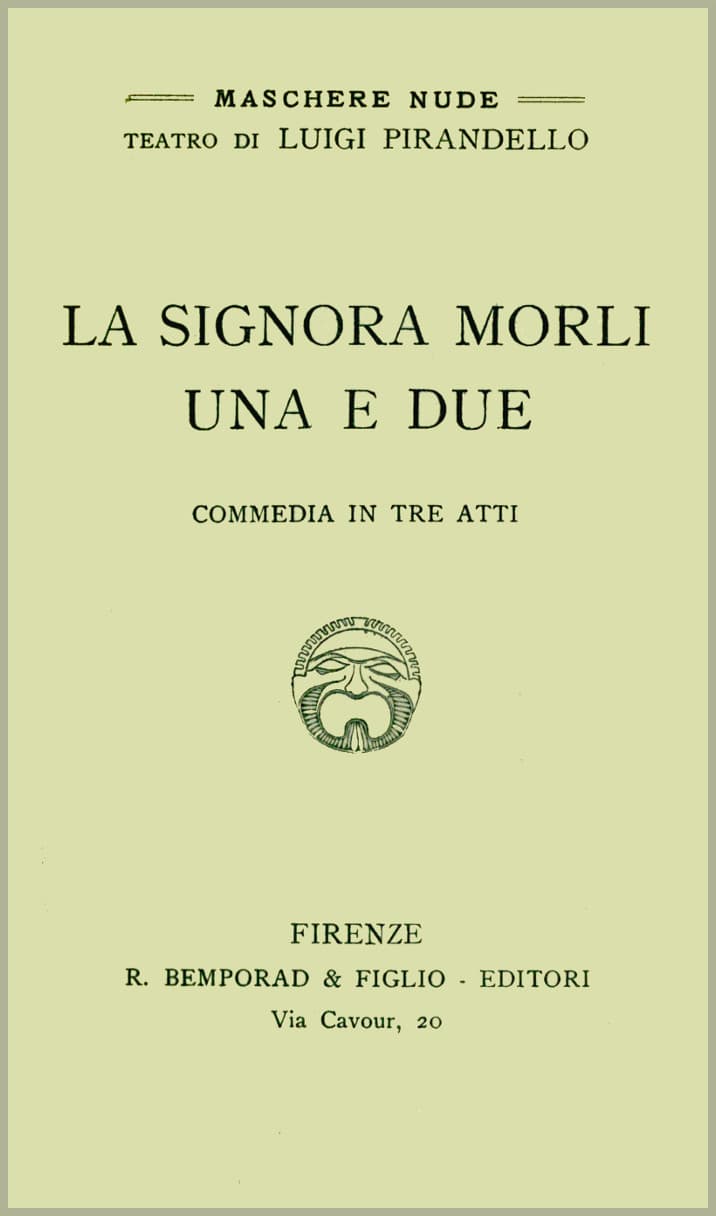
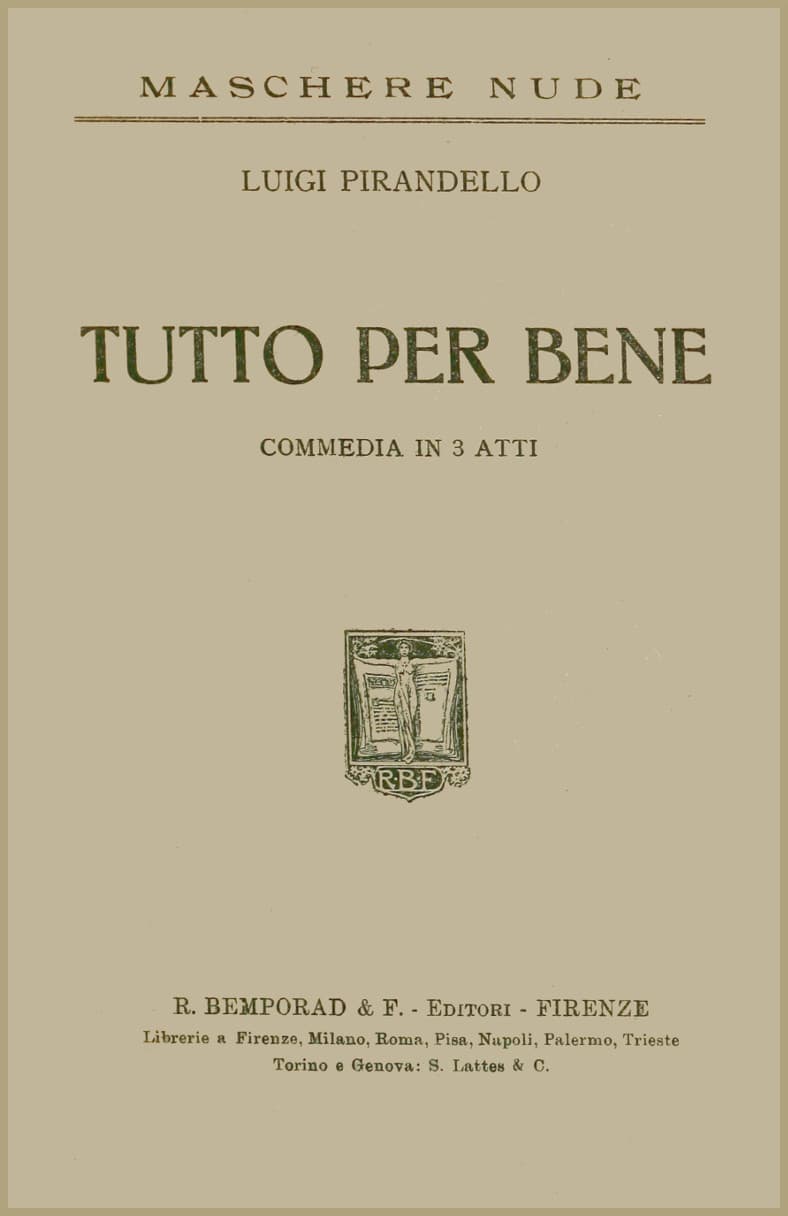
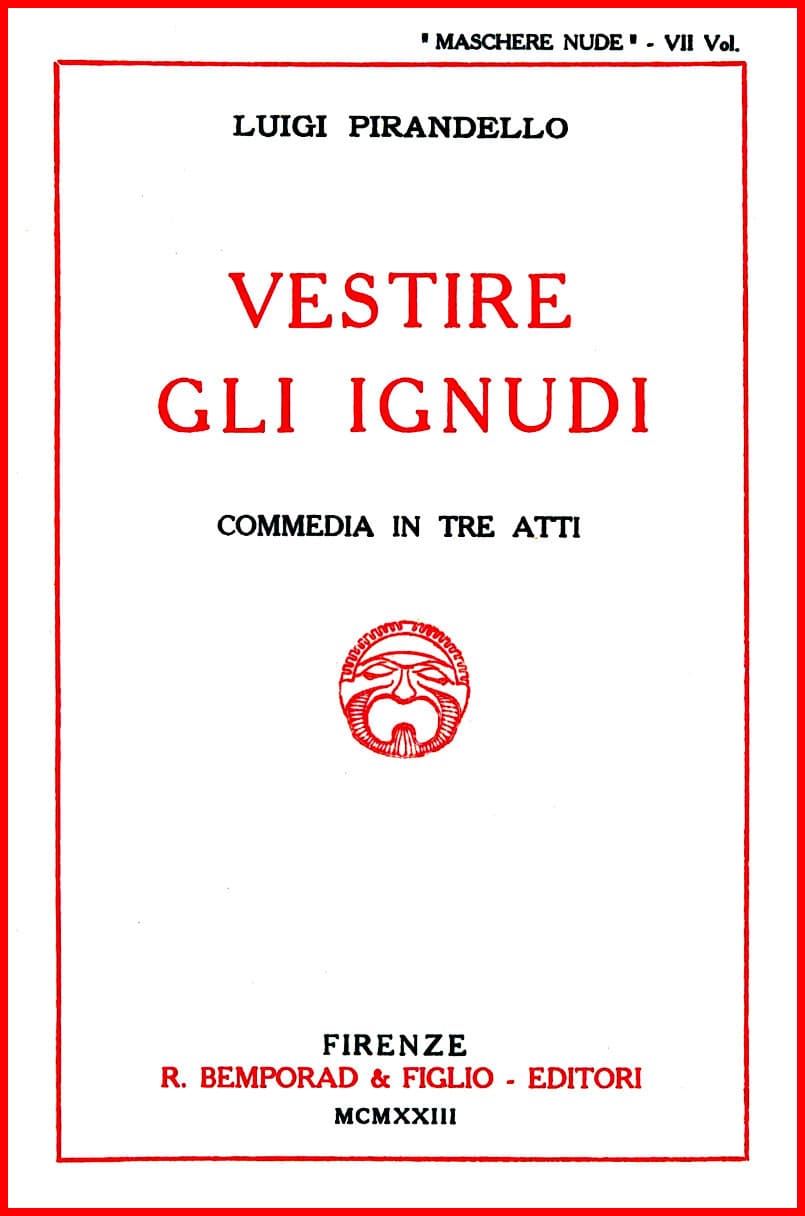
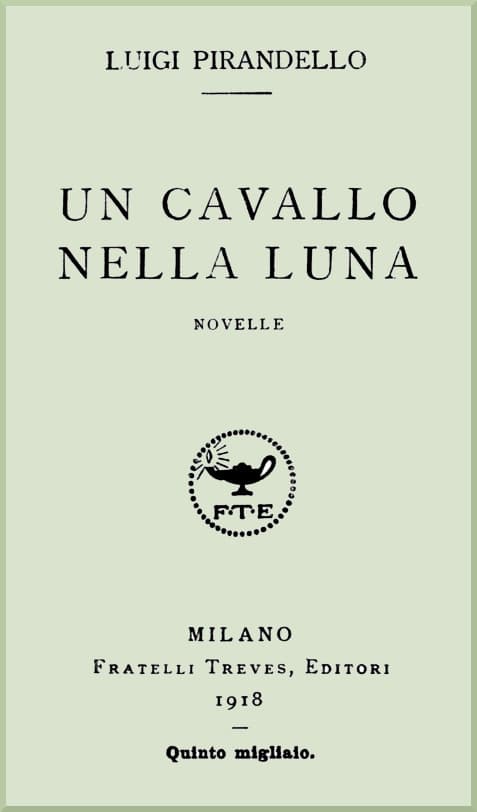
Enrico IV
1922
A dramatic play written in the early 20th century. The narrative revolves around the character of the titular Enrico IV, who experiences a mental breakdown and believes he is the German Emperor from the 11th century. The play explores themes of reality, madness, and the complexities of identity, as it contrasts the world of the delusional aristocracy with that of the characters interacting with him. At the start of the play, the scene is set in a beautifully adorned hall that mimics the throne room of Henry IV. Various characters, including hired actors dressed as historical figures, engage in lively banter, introducing a tone of absurdity and playfulness. Concurrently, we are introduced to the main characters, including the Marchesa Matilde and her daughter Frida, who are part of a group visiting Enrico IV. The atmosphere is charged with anticipation as the characters prepare for an encounter with the delusional Enrico, exploring the contrasts between their modern lives and the medieval narrative he is caught in. Overall, the opening establishes a complex interplay of theatricality and psychological exploration that beckons the audience into a world where reality is endlessly questioned.
Editions
X-Ray
“Life is full of strange absurdities, which, strangely enough, do not even need to appear plausible, since they are true.””
— Luigi Pirandello
“THE FATHER: But don't you see that the whole trouble lies here? In words, words. Each one of us has within him a whole world of things, each man of us his own special world. And how can we ever come to an understanding if I put in the words I utter the sense and value of things as I see them; while you who listen to me must inevitably translate them according to the conception of things each one of you has within himself. We think we understand each other, but we never really do.””
— Luigi Pirandello
“If only we could see in advance all the harm that can come from the good we think we are doing.””
— Luigi Pirandello
“For man never reasons so much and becomes so introspective as when he suffers ; since he is anxious to get at the cause of his sufferings, to learn who has produced them, and whether it is just or unjust that he should have to bear them. On the other hand, when he is happy, he takes his happiness as it comes and doesn't analyse it, just as if happiness were his right.””
— Luigi Pirandello
“We all have a world of things inside ourselves and each one of us has his own private world. How can we understand each other if the words I use have the sense and the value that I expect them to have, but whoever is listening to me inevitably thinks that those same words have a different sense and value, because of the private world he has inside himself, too.””
— Luigi Pirandello
“When a character is born, he acquires at once such an independence, even of his own author, that he can be imagined by everybody even in many other situations where the author never dreamed of placing him; and so he acquires for himself a meaning which the author never thought of giving him.””
— Luigi Pirandello
“I am an "unrealized" character, dramatically speaking...””
— Luigi Pirandello
“But only in order to know if you, as you really are now, see yourself as you once were with all the illusions that were yours then, with all the things both inside and outside of you as they seemed to you - as they were then indeed for you. Well, sir, if you think of all those illusions that mean nothing to you now, of all those things which don't even seem to you to exist any more, while once they were for you, don't you feel that - I won't say these boards - but the very earth under your feet is sinking away from you when you reflect that in the same way this you as you feel it today - all this present reality of yours - is fated to seem a mere illusion to you tomorrow?””
— Luigi Pirandello
“Thus, sir, you see when faith is lacking, it becomes impossible to create certain states of happiness, for we lack the necessary humility. Vaingloriously, we try to substitute ourselves for this faith, creating thus for the rest of the world a reality which we believe after their fashion, while, actually, it doesn't exist.””
— Luigi Pirandello
Link to this book
Add a free, dofollow link to Lex on your blog, forum, syllabus, or reading list.

<a href="https://lex-books.com/book/enrico-iv-83928272-9a62-4c26-b243-141bceb98f2d"><img src="https://lex-books.com/badges/read-on-lex.svg" alt="Read Enrico IV by Luigi Pirandello free on Lex" width="160" height="40"></a>[](https://lex-books.com/book/enrico-iv-83928272-9a62-4c26-b243-141bceb98f2d)[url=https://lex-books.com/book/enrico-iv-83928272-9a62-4c26-b243-141bceb98f2d][img]https://lex-books.com/badges/read-on-lex.svg[/img][/url]Read Enrico IV by Luigi Pirandello free on Lex: https://lex-books.com/book/enrico-iv-83928272-9a62-4c26-b243-141bceb98f2dCite this book
Reading this edition for a paper or guide? Copy a citation.
Pirandello, Luigi. Enrico IV. Lex, lex-books.com/book/enrico-iv-83928272-9a62-4c26-b243-141bceb98f2d.Pirandello, L. (1922). Enrico IV. Lex. https://lex-books.com/book/enrico-iv-83928272-9a62-4c26-b243-141bceb98f2dPirandello, Luigi. Enrico IV. Lex. https://lex-books.com/book/enrico-iv-83928272-9a62-4c26-b243-141bceb98f2d.