Economic Sophisms
1847
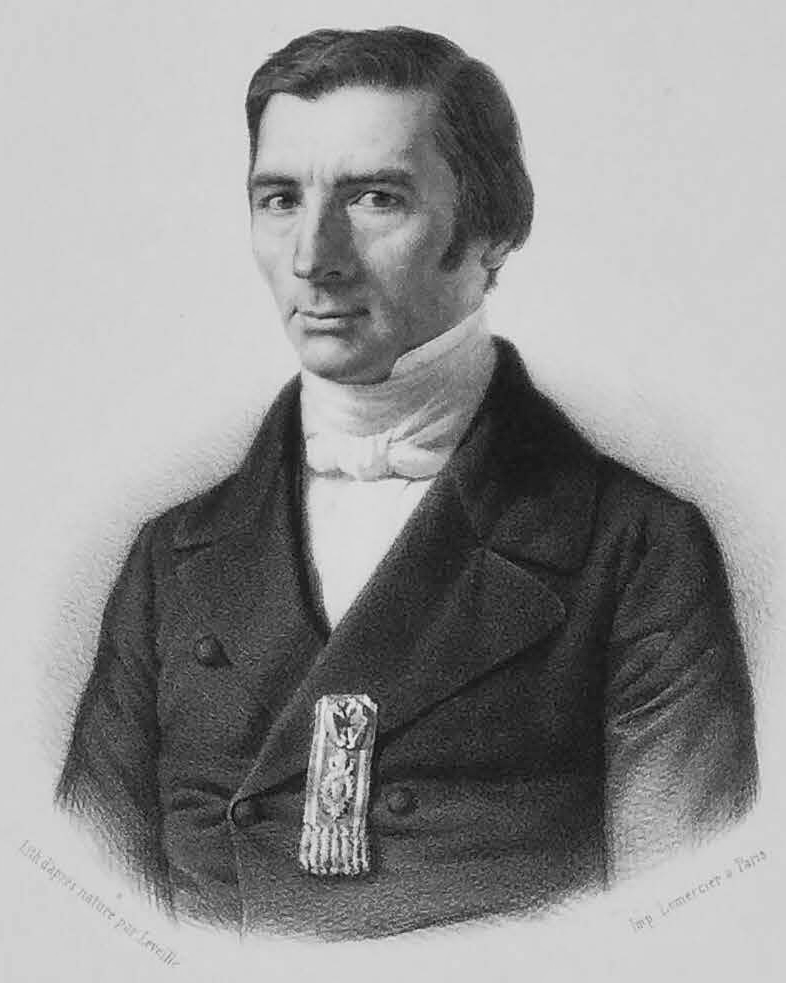
In 1847, a French economist decided to have some fun with the powerful. The result: a demolition of protectionist fallacies so brilliant, so gleefully satirical, that it still cracks open skulls two centuries later. Frédéric Bastiat was not interested in dry theory. He wrote dialogues, fables, and the famous "Petition of the Candlemakers," in which French candle manufacturers solemnly demand protection from the sun's unfair competition. The argument is absurd. That was the point. With lethal precision, Bastiat shows how economic restrictions that appear to protect workers actually rob consumers of cheaper goods and stifle innovation. He argues that policy should serve the many (consumers) not the few (privileged producers). The logic is relentless. The wit never stops. This is economic philosophy disguised as entertainment, and it remains devastatingly relevant in an age of tariffs and trade wars.
Editions
X-Ray
“Suppose two countries, A and B. A possesses over B all kinds of advantages. You infer from this, that every sort of industry will concentrate itself in A, and that B is powerless. A, you say, sells much more than it buys; B buys much more than it sells. I might dispute this, but I respect your hypothesis. On this hypothesis, labour is much in demand in A, and will soon rise in price there. Iron, coal, land, food, capital, are much in demand in A, and they will soon rise in price there. Contemporaneously with this, labour, iron, coal, land, food, capital, are in little request in B, and will soon fall in price there. Nor is this all. While A is always selling, and B is always buying, money passes from B to A. It becomes abundant in A, and scarce in B. But abundance of money means that we must have plenty of it to buy everything else. Then in A, to the real dearness which arises from a very active demand, there is added a nominal dearness, which is due to a redundancy of the precious metals. Scarcity””
— Frédéric Bastiat
“But if men are, on the one hand, irresistibly impelled towards what is for their profit, and if, on the other, they resist instinctively what is hurtful, we are forced to conclude that each nation carries in its bosom a natural force of expansion, and a not less natural force of resistance, which forces are equally injurious to all other nations; or, in other words, that antagonism and war are the natural state of human society.””
— Frédéric Bastiat
“man becomes rich in proportion to the remunerative nature of his labor;””
— Frédéric Bastiat
Link to this book
Add a free, dofollow link to Lex on your blog, forum, syllabus, or reading list.

<a href="https://lex-books.com/book/economic-sophisms-f19faa32-83f1-46d5-bbdb-1eae714ef496"><img src="https://lex-books.com/badges/read-on-lex.svg" alt="Read Economic Sophisms by Frédéric Bastiat free on Lex" width="160" height="40"></a>[](https://lex-books.com/book/economic-sophisms-f19faa32-83f1-46d5-bbdb-1eae714ef496)[url=https://lex-books.com/book/economic-sophisms-f19faa32-83f1-46d5-bbdb-1eae714ef496][img]https://lex-books.com/badges/read-on-lex.svg[/img][/url]Read Economic Sophisms by Frédéric Bastiat free on Lex: https://lex-books.com/book/economic-sophisms-f19faa32-83f1-46d5-bbdb-1eae714ef496Cite this book
Reading this edition for a paper or guide? Copy a citation.
Bastiat, Frédéric. Economic Sophisms. Lex, lex-books.com/book/economic-sophisms-f19faa32-83f1-46d5-bbdb-1eae714ef496.Bastiat, F. (1847). Economic Sophisms. Lex. https://lex-books.com/book/economic-sophisms-f19faa32-83f1-46d5-bbdb-1eae714ef496Bastiat, Frédéric. Economic Sophisms. Lex. https://lex-books.com/book/economic-sophisms-f19faa32-83f1-46d5-bbdb-1eae714ef496.