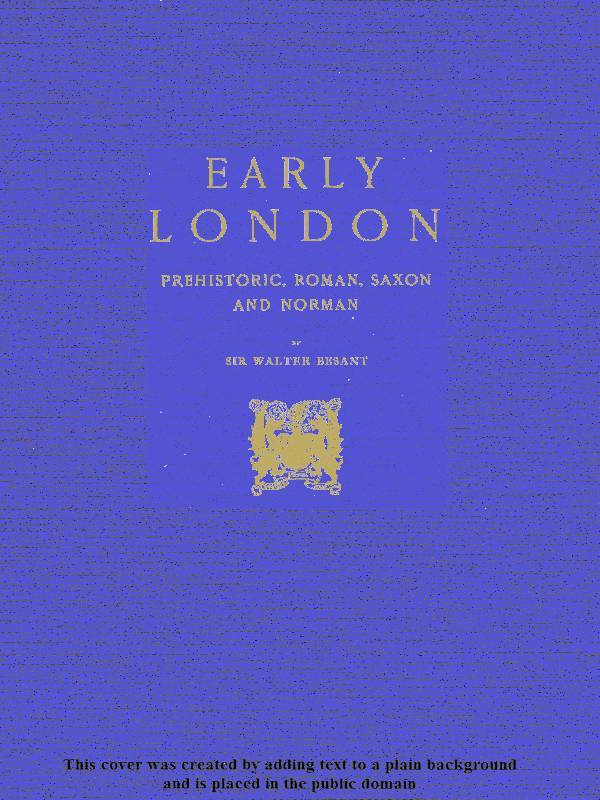
Early London: Prehistoric, Roman, Saxon and Norman
1908
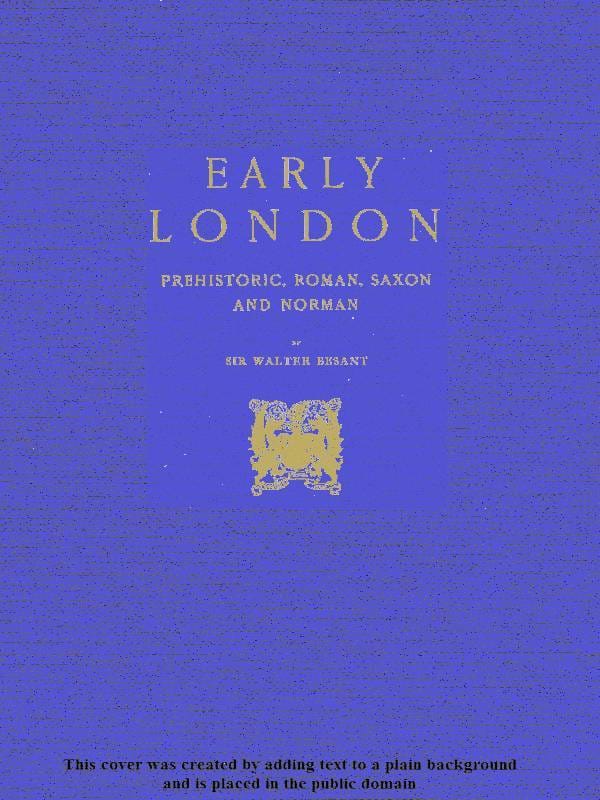
Early London: Prehistoric, Roman, Saxon and Norman
1908
Before London was London, it was a marshy island chosen by Iron Age tribes for its defensive position and access to trade routes. Walter Besant's 1908 study traces the city from these prehistoric beginnings through Roman Londinium's emergence as a major imperial center, the twilight centuries of Saxon rule, and the transformative Norman Conquest. The book reconstructs how early Londoners exploited the Thames's unique geography, raised the first bridges and walls, and transformed a muddy ford into England's preeminent city. Besant writes with the engaged curiosity of a man who walked these same streets and wondered what lay beneath. The text carries both the insights and blindspots of its era, making it a fascinating window into Edwardian scholarship while still offering genuine archaeological and historical value for readers curious about the deep past buried beneath London's streets.
Editions

X-Ray
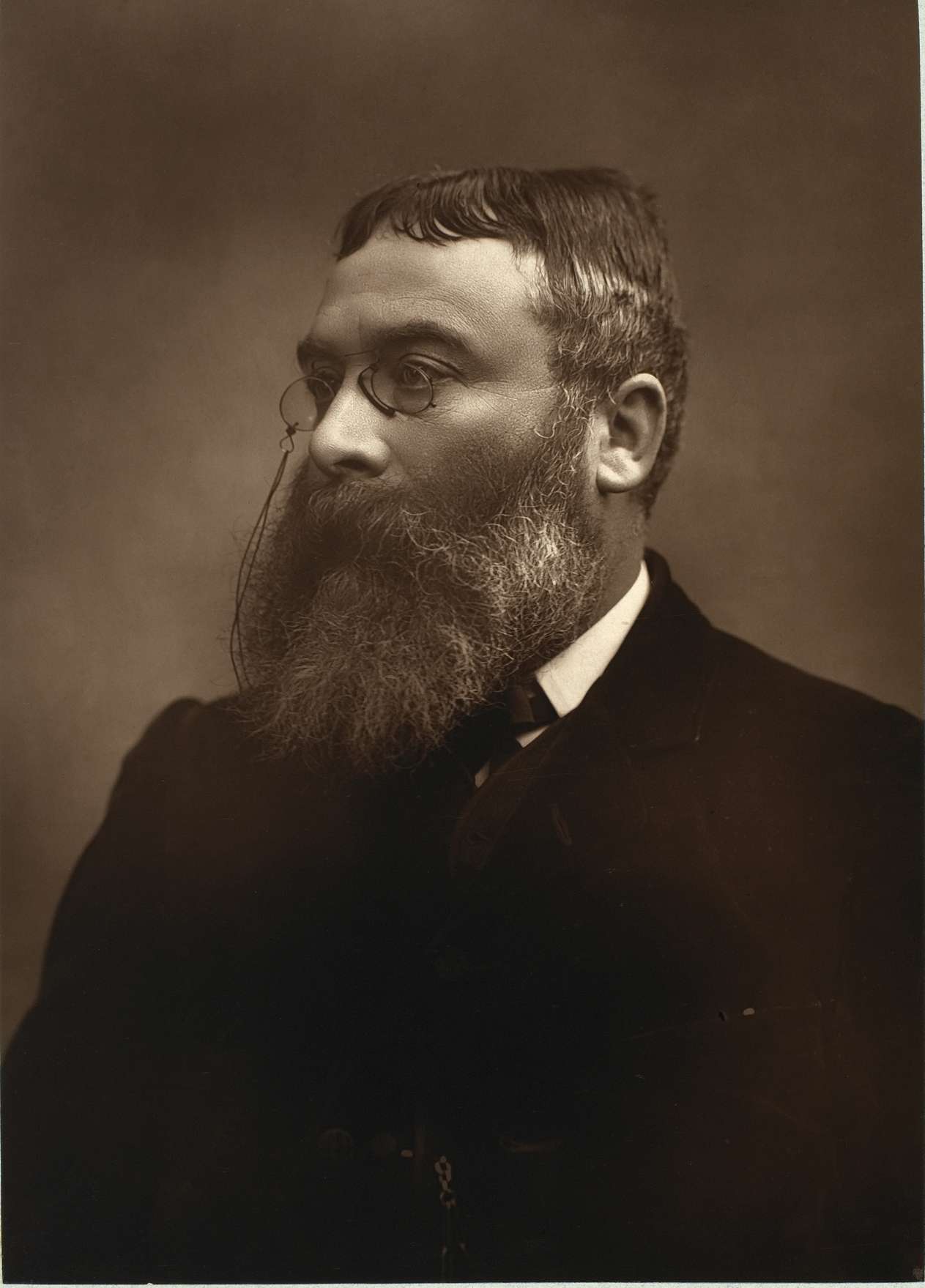
The author and historian who compiled this comprehensive study of early London. He serves as the scholarly narrator, drawing from archaeological evidence, ancient texts, and historical records to reconstruct London's prehistoric and early history.
F.R.S. geologist who contributed the opening chapter on London's geological foundations. His scientific analysis provides the physical basis for understanding why London developed where it did.
Roman general who invaded Britain twice (55 and 54 BC). His commentaries provide the earliest written accounts of Britain, though he makes no mention of London.
British chieftain who led resistance against Caesar's second invasion. He controlled territory north of the Thames and represented organized British opposition to Roman conquest.
About Early London: Prehistoric, Roman, Saxon and Norman
Chapter Summaries
- 1
- Professor Bonney explains London's geological foundation, describing how the Thames valley was formed and why the gravel terraces north of the river provided the ideal conditions for settlement. The chapter details the various geological layers and their impact on London's development.
- 2
- Besant describes the original topography of London, including the vast marshes, the network of streams, and the two hills beside the Walbrook that became the city's core. He traces the legendary accounts of London's founding while establishing the geographical reasons for its location.
- 3
- This chapter explores prehistoric London, from possible lake-dwellings to Celtic fortresses. Besant argues that Thorney Island (Westminster) was initially more important than London as a trading station on the great north-south highway, and examines the evidence for early British trade with the continent.
Key Themes
- Geography as Destiny
- Besant demonstrates how London's unique geographical position—at the lowest fordable point of the Thames, with gravel terraces providing fresh water and high ground above marshes—predetermined its development as a major settlement and trading center.
- Trade and Commerce as Civilization's Foundation
- The book argues that London began not as a military fortress but as a trading post, emphasizing how commercial networks and economic exchange drove urban development and cultural advancement in prehistoric and Roman Britain.
- Cultural Continuity and Change
- Through examining archaeological evidence and historical records, Besant explores how successive cultures—Celtic, Roman, Saxon, and Norman—each built upon previous foundations while transforming the city's character.
Characters
- Walter Besant(major)
- The author and historian who compiled this comprehensive study of early London. He serves as the scholarly narrator, drawing from archaeological evidence, ancient texts, and historical records to reconstruct London's prehistoric and early history.
- Professor T. G. Bonney(major)
- F.R.S. geologist who contributed the opening chapter on London's geological foundations. His scientific analysis provides the physical basis for understanding why London developed where it did.
- Julius Caesar(major)
- Roman general who invaded Britain twice (55 and 54 BC). His commentaries provide the earliest written accounts of Britain, though he makes no mention of London.
- Cassivellaunus(major)
- British chieftain who led resistance against Caesar's second invasion. He controlled territory north of the Thames and represented organized British opposition to Roman conquest.
- Aulus Plautius(major)
- Roman general who led the successful invasion of Britain in 43 AD under Emperor Claudius. His campaign established permanent Roman rule in southern Britain.
- Boadicea (Boudicca)(major)
- Queen of the Iceni who led a massive revolt against Roman rule in 61 AD. Her forces destroyed London, Colchester, and St. Albans before being defeated.
Link to this book
Add a free, dofollow link to Lex on your blog, forum, syllabus, or reading list.

<a href="https://lex-books.com/book/early-london-prehistoric-roman-saxon-and-norman-8592d481-7892-40a1-a6c4-97f89a378000"><img src="https://lex-books.com/badges/read-on-lex.svg" alt="Read Early London: Prehistoric, Roman, Saxon and Norman by Walter Besant free on Lex" width="160" height="40"></a>[](https://lex-books.com/book/early-london-prehistoric-roman-saxon-and-norman-8592d481-7892-40a1-a6c4-97f89a378000)[url=https://lex-books.com/book/early-london-prehistoric-roman-saxon-and-norman-8592d481-7892-40a1-a6c4-97f89a378000][img]https://lex-books.com/badges/read-on-lex.svg[/img][/url]Read Early London: Prehistoric, Roman, Saxon and Norman by Walter Besant free on Lex: https://lex-books.com/book/early-london-prehistoric-roman-saxon-and-norman-8592d481-7892-40a1-a6c4-97f89a378000Cite this book
Reading this edition for a paper or guide? Copy a citation.
Besant, Walter. Early London: Prehistoric, Roman, Saxon and Norman. Lex, lex-books.com/book/early-london-prehistoric-roman-saxon-and-norman-8592d481-7892-40a1-a6c4-97f89a378000.Besant, W. (1908). Early London: Prehistoric, Roman, Saxon and Norman. Lex. https://lex-books.com/book/early-london-prehistoric-roman-saxon-and-norman-8592d481-7892-40a1-a6c4-97f89a378000Besant, Walter. Early London: Prehistoric, Roman, Saxon and Norman. Lex. https://lex-books.com/book/early-london-prehistoric-roman-saxon-and-norman-8592d481-7892-40a1-a6c4-97f89a378000.