London
1898
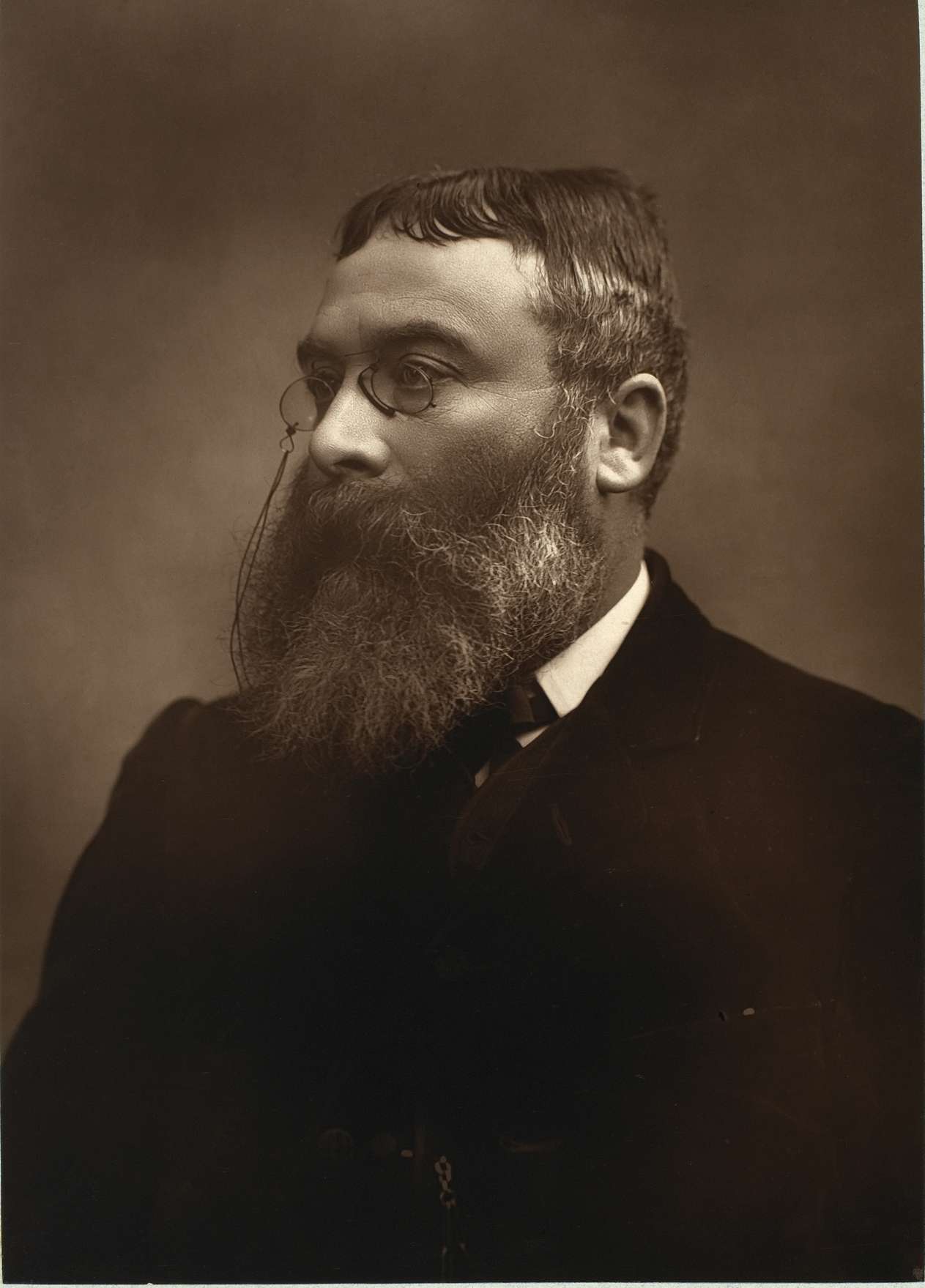
In 1898, Walter Besant undertook something audacious: not merely to chronicle London's history, but to make its past breathe. The result is a city portrait unlike any textbook, one that moves through two thousand years of continuous urban life by way of its most essential element: the people who walked the streets, traded in the markets, celebrated in the squares, and built, brick by brick, the metropolis that defined an empire. Besant begins where London begins, with the Romans, with Gildas and the Anglo-Saxon Chronicle, and traces the city's transformation from a riverside trading post into the largest city the world had yet seen. But this is no dry chronological survey. It is a work of social archaeology, excavating the daily rhythms of Londoners across centuries: their work, their revelry, their struggles, their endurance. The streets themselves become characters, and the buildings speak of ambition, disaster, and renewal. Besant captures something that pure history often misses: the texture of lived experience, the sense that London was always, impossibly, simultaneously ancient and newborn. For anyone curious about how cities acquire soul, or how the past continues to pulse beneath modern pavement, this book is a portal.
Editions

X-Ray
“The drinking of gin at one time threatened, literally, to destroy the whole of the working classes of London.””
— Walter Besant
Link to this book
Add a free, dofollow link to Lex on your blog, forum, syllabus, or reading list.

<a href="https://lex-books.com/book/london-d8e27fdc-7d7d-47b7-87e1-ea1f2d20f13e"><img src="https://lex-books.com/badges/read-on-lex.svg" alt="Read London by Walter Besant free on Lex" width="160" height="40"></a>[](https://lex-books.com/book/london-d8e27fdc-7d7d-47b7-87e1-ea1f2d20f13e)[url=https://lex-books.com/book/london-d8e27fdc-7d7d-47b7-87e1-ea1f2d20f13e][img]https://lex-books.com/badges/read-on-lex.svg[/img][/url]Read London by Walter Besant free on Lex: https://lex-books.com/book/london-d8e27fdc-7d7d-47b7-87e1-ea1f2d20f13eCite this book
Reading this edition for a paper or guide? Copy a citation.
Besant, Walter. London. Lex, lex-books.com/book/london-d8e27fdc-7d7d-47b7-87e1-ea1f2d20f13e.Besant, W. (1898). London. Lex. https://lex-books.com/book/london-d8e27fdc-7d7d-47b7-87e1-ea1f2d20f13eBesant, Walter. London. Lex. https://lex-books.com/book/london-d8e27fdc-7d7d-47b7-87e1-ea1f2d20f13e.