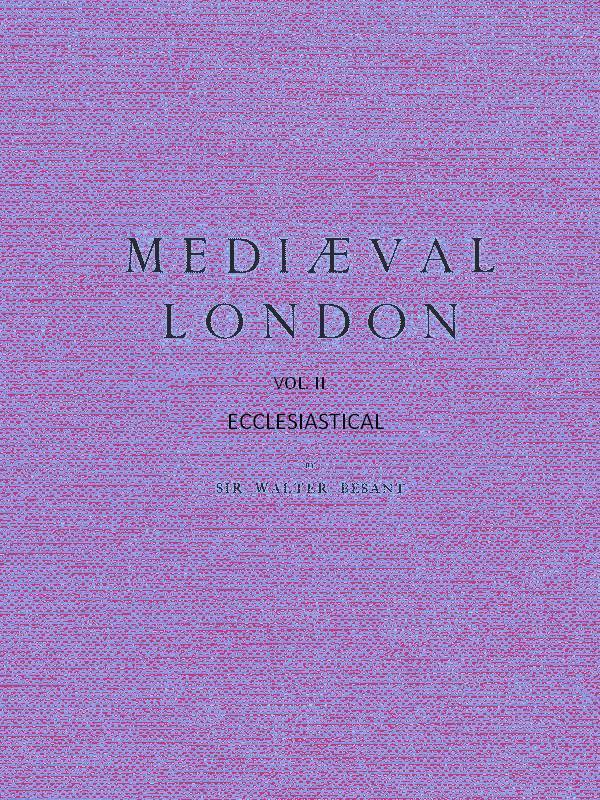
Mediæval London, Volume 2: Ecclesiastical
1906
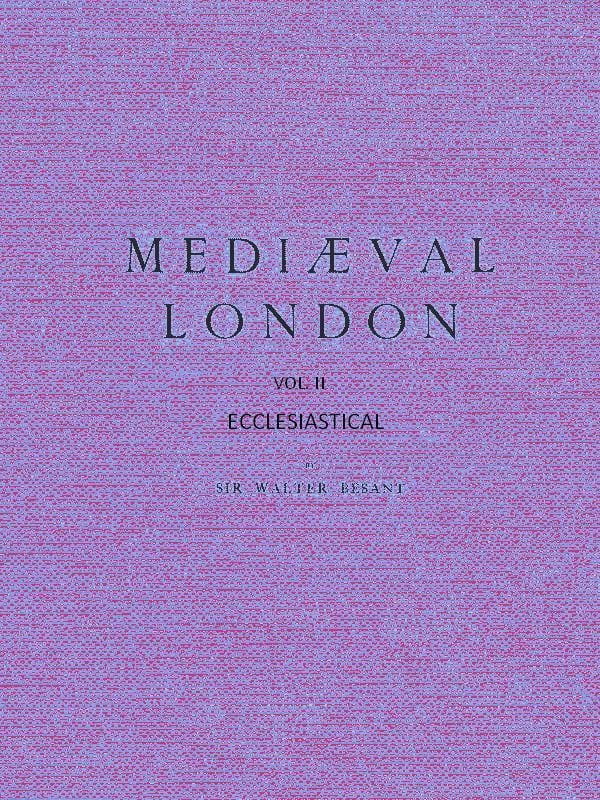
Mediæval London, Volume 2: Ecclesiastical
1906
A historical account written in the early 20th century. This volume explores the religious and ecclesiastical aspects of London during the medieval period, examining the governance, social customs, and spiritual life of the city. The primary focus is on how the Church and its institutions shaped the fabric of London society. The opening of the book provides insight into the archival richness of London's history, emphasizing the significance of the Guildhall's ancient records. Besant mentions the various historical documents that serve as the foundation for understanding the city's governance and ecclesiastical structure. In this section, he discusses the notable archives consulted by early historians and the evolution of civic governance as London transitioned towards a communal form of governance under the Plantagenet kings. This sets the stage for an exploration of the intricate relationship between the city and its ecclesiastical authorities in subsequent chapters.
Editions

X-Ray
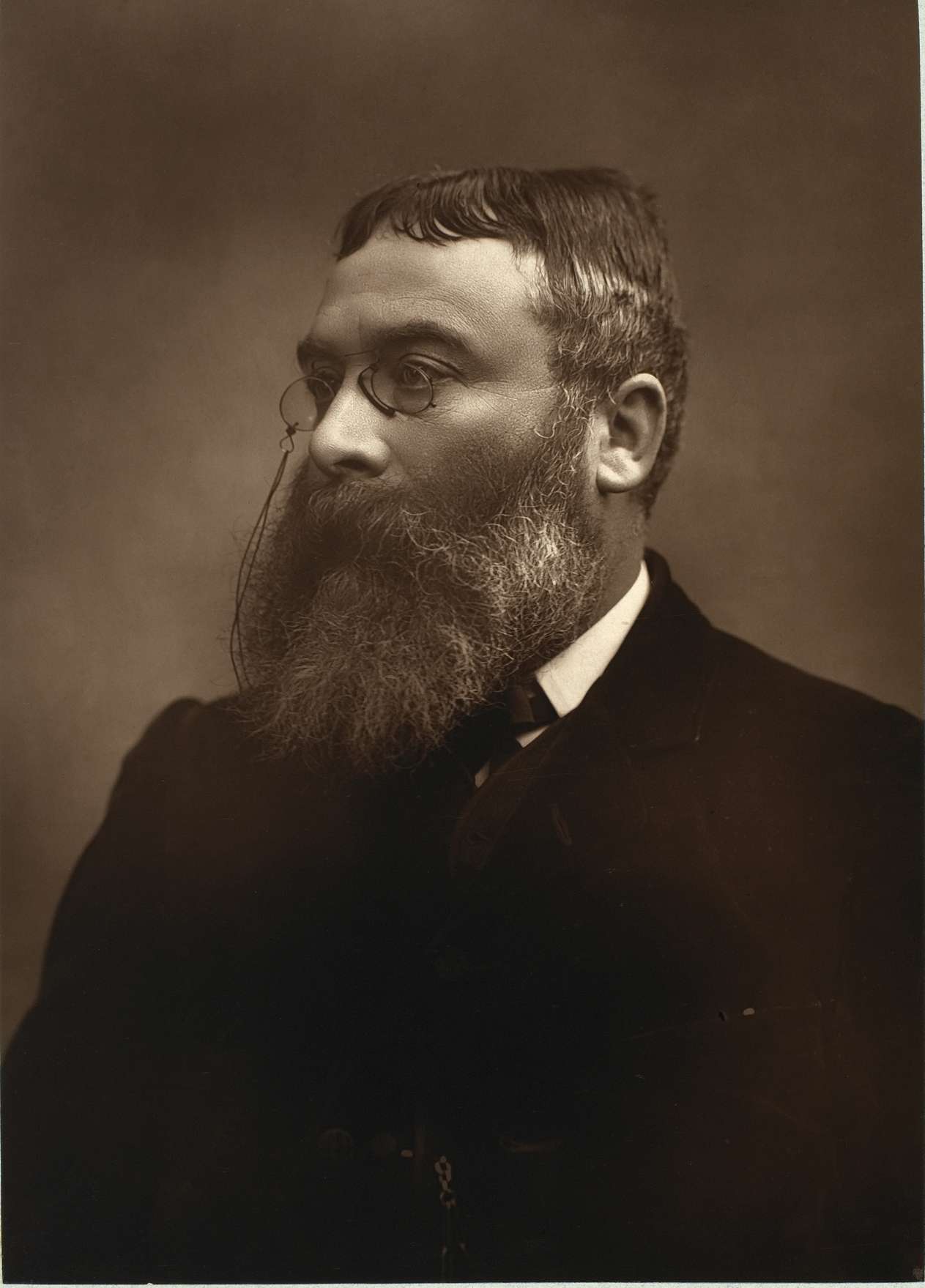
The author and historian who compiled this comprehensive study of medieval London's ecclesiastical history. He serves as the scholarly voice guiding readers through the complex religious and governmental structures of medieval London.
The first Mayor of London, elected in 1191 and served for twenty-five years. Also known as Henry of London Stone, he was a key figure in establishing London's municipal government.
A 12th-century reformer and champion of the poor who led the first popular uprising against the governing oligarchy. He was executed at Smithfield and became a martyr figure for the common people.
A popular Mayor in the 13th century who championed the craftsmen and common people against the aristocratic merchants. He encouraged the formation of trade unions and was eventually imprisoned and disappeared.
About Mediæval London, Volume 2: Ecclesiastical
Chapter Summaries
- 1
- Besant introduces the extensive archives at Guildhall, describing the various historical documents and chronicles that form the foundation of London's recorded history. He details the work of previous scholars and the systematic preservation of civic records.
- 2
- Analysis of Henry II's charter to London, comparing it with Henry I's charter and highlighting the significant omissions that limited London's self-governance, particularly the removal of the right to elect sheriffs and justiciars.
- 3
- The pivotal establishment of London's Commune in 1191, when the city gained its first Mayor in exchange for supporting John against Chancellor Longchamp. This chapter details the political maneuvering and the creation of municipal self-government.
Key Themes
- Democratic Evolution
- The gradual transformation from feudal governance to democratic municipal government, showing how London's Commune of 1191 became the model for English municipal democracy worldwide.
- Class Struggle
- The persistent conflict between wealthy merchant families who controlled the wards and the craftsmen who sought representation, reflecting broader social tensions in medieval society.
- Religious Authority
- The complex relationship between ecclesiastical and secular power in medieval London, from the Bishop's role as Alderman to the regulation of religious houses and their influence on city governance.
Characters
- Walter Besant(protagonist)
- The author and historian who compiled this comprehensive study of medieval London's ecclesiastical history. He serves as the scholarly voice guiding readers through the complex religious and governmental structures of medieval London.
- Henry FitzAylwin(major)
- The first Mayor of London, elected in 1191 and served for twenty-five years. Also known as Henry of London Stone, he was a key figure in establishing London's municipal government.
- William Longbeard (FitzOsbert)(major)
- A 12th-century reformer and champion of the poor who led the first popular uprising against the governing oligarchy. He was executed at Smithfield and became a martyr figure for the common people.
- Thomas FitzThomas(major)
- A popular Mayor in the 13th century who championed the craftsmen and common people against the aristocratic merchants. He encouraged the formation of trade unions and was eventually imprisoned and disappeared.
- Walter Hervey(major)
- A popular reformer and Mayor who continued the struggle for craftsmen's rights. He granted charters to trade guilds and fought against the aristocratic party's control of the city.
- John, Earl of Mortain(major)
- Brother of King Richard who granted London its Commune in 1191 in exchange for the city's support against Chancellor Longchamp. Later became King John.
Link to this book
Add a free, dofollow link to Lex on your blog, forum, syllabus, or reading list.

<a href="https://lex-books.com/book/medi-val-london-volume-2-ecclesiastical-3d199754-3d2a-4904-9284-aa642ac27a1f"><img src="https://lex-books.com/badges/read-on-lex.svg" alt="Read Mediæval London, Volume 2: Ecclesiastical by Walter Besant free on Lex" width="160" height="40"></a>[](https://lex-books.com/book/medi-val-london-volume-2-ecclesiastical-3d199754-3d2a-4904-9284-aa642ac27a1f)[url=https://lex-books.com/book/medi-val-london-volume-2-ecclesiastical-3d199754-3d2a-4904-9284-aa642ac27a1f][img]https://lex-books.com/badges/read-on-lex.svg[/img][/url]Read Mediæval London, Volume 2: Ecclesiastical by Walter Besant free on Lex: https://lex-books.com/book/medi-val-london-volume-2-ecclesiastical-3d199754-3d2a-4904-9284-aa642ac27a1fCite this book
Reading this edition for a paper or guide? Copy a citation.
Besant, Walter. Mediæval London, Volume 2: Ecclesiastical. Lex, lex-books.com/book/medi-val-london-volume-2-ecclesiastical-3d199754-3d2a-4904-9284-aa642ac27a1f.Besant, W. (1906). Mediæval London, Volume 2: Ecclesiastical. Lex. https://lex-books.com/book/medi-val-london-volume-2-ecclesiastical-3d199754-3d2a-4904-9284-aa642ac27a1fBesant, Walter. Mediæval London, Volume 2: Ecclesiastical. Lex. https://lex-books.com/book/medi-val-london-volume-2-ecclesiastical-3d199754-3d2a-4904-9284-aa642ac27a1f.