Discourse on the Method of Rightly Conducting One’s Reason and of Seeking Truth
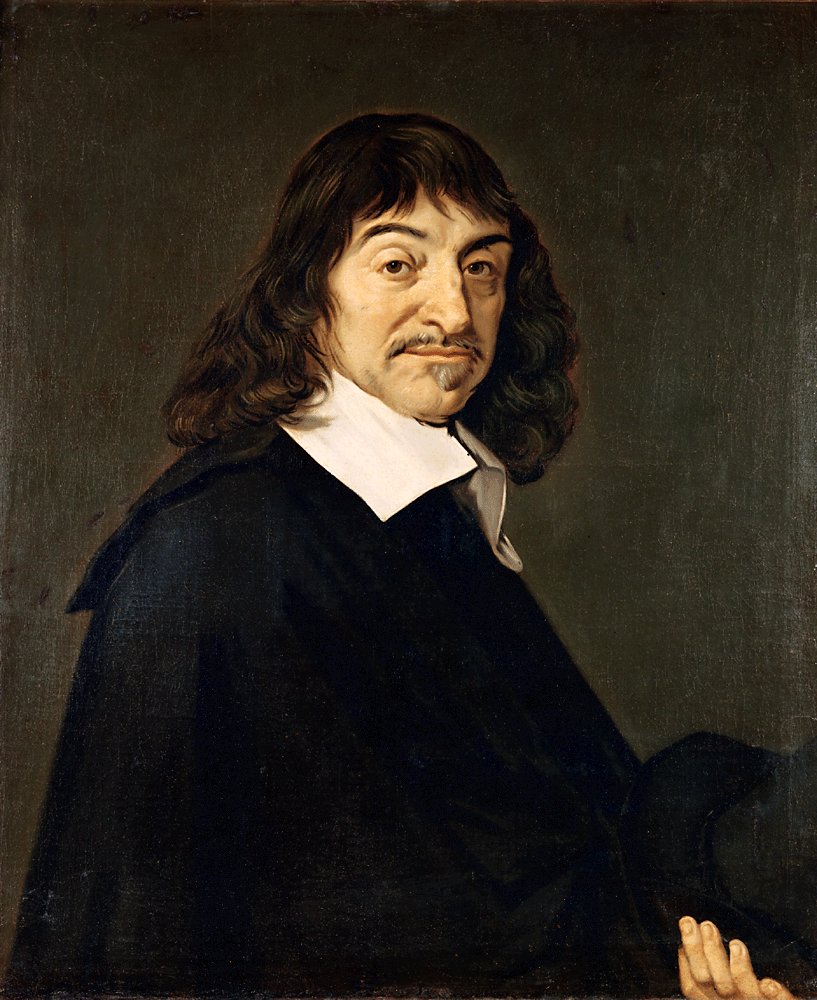
In 1637, a French mathematician and philosopher did something radical: he decided to doubt everything. Not as a nihilist, but as a method. The result changed human thought forever. Descartes was sick of competing philosophies, each claiming truth while contradicting the others. His solution was elegant: tear it all down, systematically, until you find something that cannot possibly be doubted. What he discovered became one of the most famous phrases in Western thought: "I think, therefore I am." From this single certainty, he began rebuilding everything he believed, using reason alone. The Discourse is part autobiography, part philosophical manifesto. Descartes writes in French (not Latin) because he wanted educated laypeople to follow his reasoning. The result is surprisingly personal, even intimate, as he walks readers through his intellectual journey. He lays out four rules for seeking truth: never accept anything as true without evident reason, break problems into manageable parts, proceed from simple to complex, and review everything thoroughly. These rules became the scaffolding for modern science. Three hundred eighty-seven years later, this short, audacious work remains the best entry point into how we learned to think about thinking.
Editions

Read by
Group Narration
6 readers
Stefan Schmelz, Patrick, Rainer, Gesine +2 more
Link to this book
Add a free, dofollow link to Lex on your blog, forum, syllabus, or reading list.

<a href="https://lex-books.com/book/discourse-on-the-method-of-rightly-conducting-one-s-reason-and-of-seeking-truth-0fc2122c-d1eb-4ec4-8e84-16af3f53fe3a"><img src="https://lex-books.com/badges/read-on-lex.svg" alt="Read Discourse on the Method of Rightly Conducting One’s Reason and of Seeking Truth by René Descartes free on Lex" width="160" height="40"></a>[](https://lex-books.com/book/discourse-on-the-method-of-rightly-conducting-one-s-reason-and-of-seeking-truth-0fc2122c-d1eb-4ec4-8e84-16af3f53fe3a)[url=https://lex-books.com/book/discourse-on-the-method-of-rightly-conducting-one-s-reason-and-of-seeking-truth-0fc2122c-d1eb-4ec4-8e84-16af3f53fe3a][img]https://lex-books.com/badges/read-on-lex.svg[/img][/url]Read Discourse on the Method of Rightly Conducting One’s Reason and of Seeking Truth by René Descartes free on Lex: https://lex-books.com/book/discourse-on-the-method-of-rightly-conducting-one-s-reason-and-of-seeking-truth-0fc2122c-d1eb-4ec4-8e84-16af3f53fe3aCite this book
Reading this edition for a paper or guide? Copy a citation.
Descartes, René. Discourse on the Method of Rightly Conducting One’s Reason and of Seeking Truth. Lex, lex-books.com/book/discourse-on-the-method-of-rightly-conducting-one-s-reason-and-of-seeking-truth-0fc2122c-d1eb-4ec4-8e84-16af3f53fe3a.Descartes, R. (n.d.). Discourse on the Method of Rightly Conducting One’s Reason and of Seeking Truth. Lex. https://lex-books.com/book/discourse-on-the-method-of-rightly-conducting-one-s-reason-and-of-seeking-truth-0fc2122c-d1eb-4ec4-8e84-16af3f53fe3aDescartes, René. Discourse on the Method of Rightly Conducting One’s Reason and of Seeking Truth. Lex. https://lex-books.com/book/discourse-on-the-method-of-rightly-conducting-one-s-reason-and-of-seeking-truth-0fc2122c-d1eb-4ec4-8e84-16af3f53fe3a.