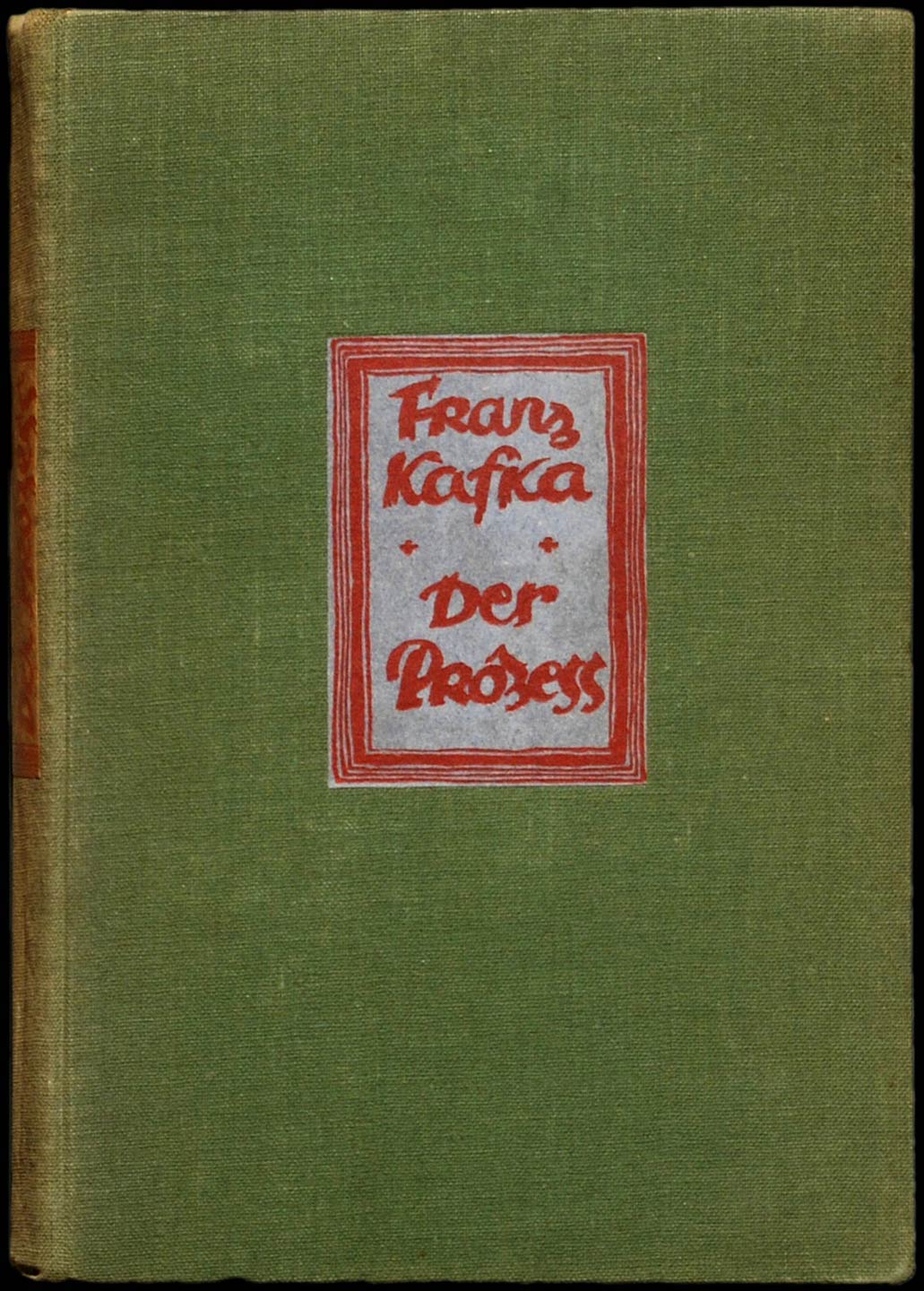
Der Prozess: Roman
1925
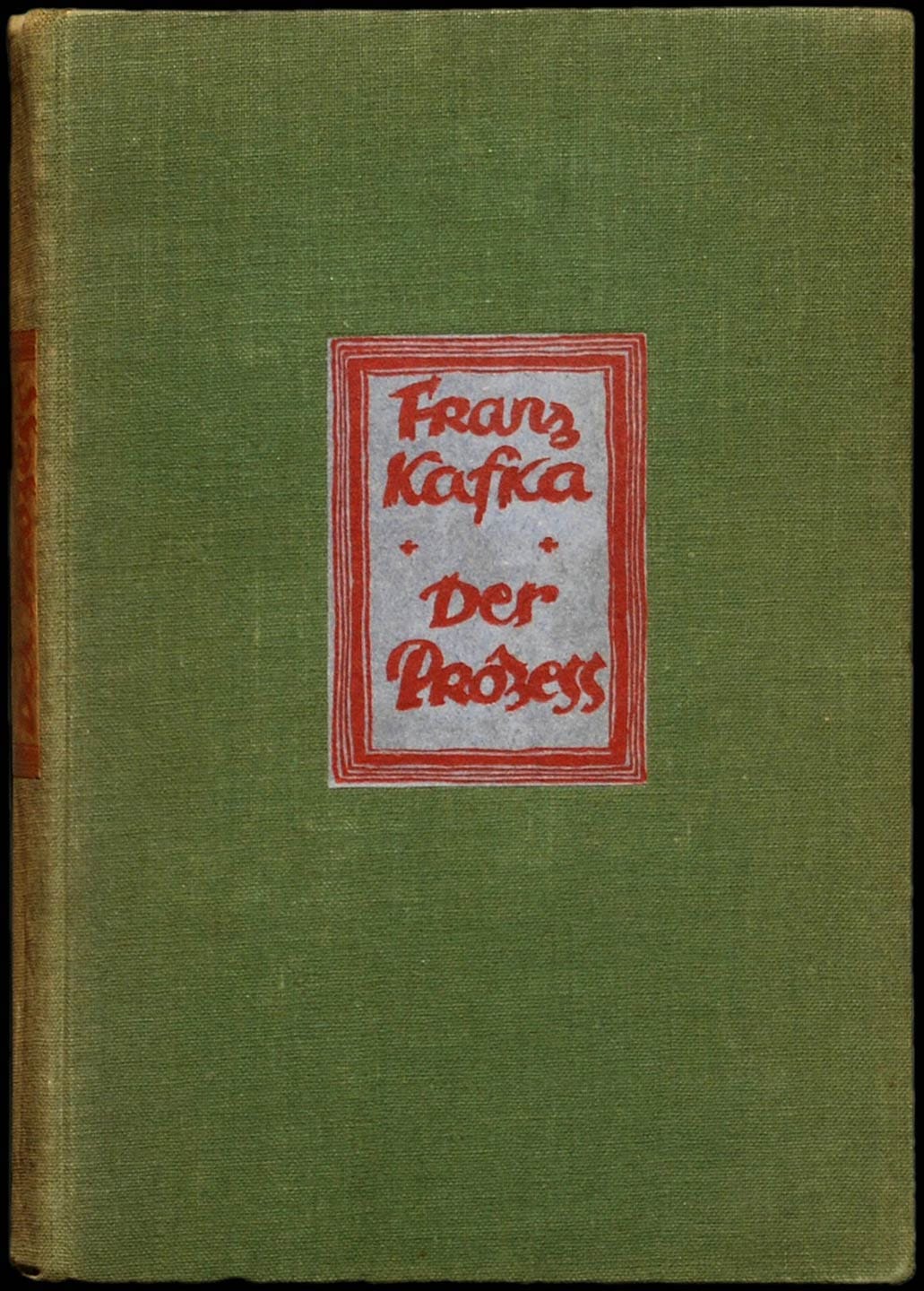
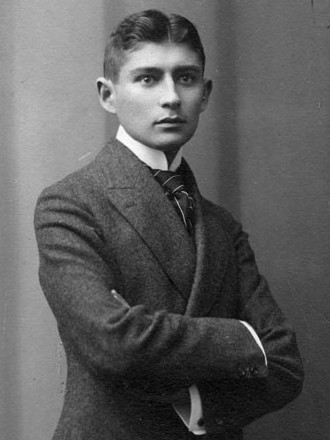
Josef K. wakes to find two strangers in his bedroom. They inform him, with bureaucratic politeness, that he is under arrest. The crime? Never specified. The authority? Never named. The court? A dusty attic room above a bank, filled with sleepy officials and endless delays. So begins Franz Kafka's masterpiece of entrapment, a novel that reads like a dream you cannot wake from and cannot quite understand. Over the course of a year, K. attempts to navigate the labyrinthine legal system, hiring lawyers, attending hearings that lead nowhere, pleading his case to priests who speak in parables. At every turn, the system proves both utterly opaque and maddeningly omnipresent. No one will tell him what he's done. No one will simply let him go. The terror is not violence but something worse: the slow, grinding certainty that you are guilty of something, even if you cannot name it. Written in 1914 and published posthumously in 1925, The Trial feels more urgent with each passing year. It is the foundational text of modern paranoia, the novel that captures the sensation of being watched, judged, and found wanting by forces we cannot see and rules we were never given. For anyone who has ever felt, irrationally, that they have done something wrong.
Editions

X-Ray
“It's only because of their stupidity that they're able to be so sure of themselves.””
— Franz Kafka
“It would have been so pointless to kill himself that, even if he had wanted to, the pointlessness would have made him unable.””
— Franz Kafka
“From a certain point onward there is no longer any turning back. That is the point that must be reached.””
— Franz Kafka
“They're talking about things of which they don't have the slightest understanding, anyway. It's only because of their stupidity that they're able to be so sure of themselves.””
— Franz Kafka
“it is not necessary to accept everything as true, one must only accept it as necessary.' 'A melancholy conclusion,' said K. 'It turns lying into a universal principle.””
— Franz Kafka
“Logic may indeed be unshakeable, but it cannot withstand a man who is determined to live.””
— Franz Kafka
“No," said the priest, "you don't need to accept everything as true, you only have to accept it as necessary." "Depressing view," said K. "The lie made into the rule of the world.””
— Franz Kafka
“The books we need are of the kind that act upon us like a misfortune, that makes us suffer like the death of someone we love more than ourselves, that make us feel as though we were on the verge of suicide, lost in a forest remote from all human habitation.””
— Franz Kafka
“The right understanding of any matter and a misunderstanding of the same matter do not wholly exclude each other.””
— Franz Kafka
Link to this book
Add a free, dofollow link to Lex on your blog, forum, syllabus, or reading list.

<a href="https://lex-books.com/book/der-prozess-roman-4dda0058-0ec9-4dfe-9b32-1e8162f7b281"><img src="https://lex-books.com/badges/read-on-lex.svg" alt="Read Der Prozess: Roman by Franz Kafka free on Lex" width="160" height="40"></a>[](https://lex-books.com/book/der-prozess-roman-4dda0058-0ec9-4dfe-9b32-1e8162f7b281)[url=https://lex-books.com/book/der-prozess-roman-4dda0058-0ec9-4dfe-9b32-1e8162f7b281][img]https://lex-books.com/badges/read-on-lex.svg[/img][/url]Read Der Prozess: Roman by Franz Kafka free on Lex: https://lex-books.com/book/der-prozess-roman-4dda0058-0ec9-4dfe-9b32-1e8162f7b281Cite this book
Reading this edition for a paper or guide? Copy a citation.
Kafka, Franz. Der Prozess: Roman. Lex, lex-books.com/book/der-prozess-roman-4dda0058-0ec9-4dfe-9b32-1e8162f7b281.Kafka, F. (1925). Der Prozess: Roman. Lex. https://lex-books.com/book/der-prozess-roman-4dda0058-0ec9-4dfe-9b32-1e8162f7b281Kafka, Franz. Der Prozess: Roman. Lex. https://lex-books.com/book/der-prozess-roman-4dda0058-0ec9-4dfe-9b32-1e8162f7b281.