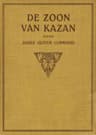
De Zoon Van Kazan
1917
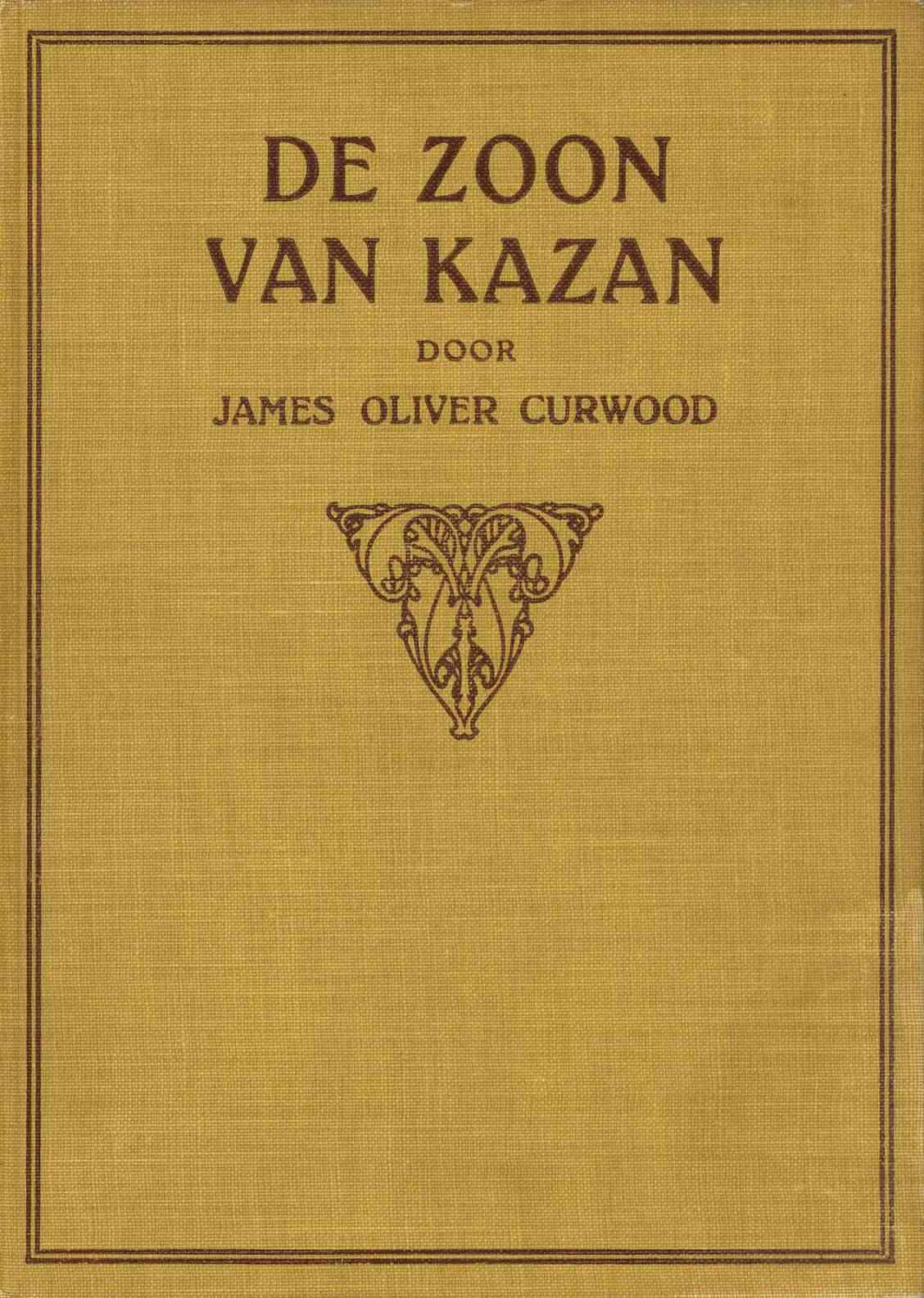
A novel written in the early 20th century. The story revolves around Baree, a young wolfdog, who discovers the world around him through the eyes of his blind wolf mother, Wolvin, and his father, Kazan, a dog. The narrative explores themes of survival, identity, and the instinctual battles between different breeds as Baree navigates the wilderness. The opening of the book introduces Baree's life in a dark den surrounded by the protection of his mother and the mysterious presence of his father. Baree, initially fearful and unaware of his surroundings, slowly begins to perceive the world when he first sees Kazan’s glowing green eyes. As he grows, Baree learns about danger and adventure, ultimately striving to follow his instincts outside the den. The text sets a vivid picture of Baree's early experiences, his unbounded curiosity, and the stark reality of life in the wilderness, establishing a strong foundation for his journey of self-discovery and survival.
Editions
X-Ray
“And in my books it is my desire to tell of the lives of the wild things which I know as they are actually lived. It is not my desire to humanize them. If we are to love wild animals so much that we do not want to kill them we MUST KNOW THEM AS THEY ACTUALLY LIVE. And in their lives, in the facts of their lives, there is so much of real and honest romance and tragedy, so much that makes them akin to ourselves that the animal biographer need not step aside from the paths of actuality to hold one's interest.””
— James Oliver Curwood
“One's hard luck and misfortune form the measuring stick for future good luck and fortune.””
— James Oliver Curwood
“one's capacity for happiness depends largely on how deeply one has suffered.””
— James Oliver Curwood
“If old Tuboa had been there that night it is possible he would have read strange warnings in the winds that whispered now and then softly in the treetops, Ie was such a night; a night when the Red Gods whisper low among themselves, a carnival of glory in which even the dipping shadows and the high stars seemed to quiver with the life of a potent language.””
— James Oliver Curwood
“No man has ever looked clearly into the mystery of death as it is impressed upon the senses of the northern dog. It comes to him, sometimes, with the wind. Most frequently it must come with the wind, and yet there are ten thousand masters in the northland who will swear that their dogs have given warning of death hours before it actually came; and there are many of these thousands who know from experience that their teams will stop a quarter or half a mile from a strange cabin in which there lies unburied dead.””
— James Oliver Curwood
“That was the wonder of it. She had been reckless”
— James Oliver Curwood
Link to this book
Add a free, dofollow link to Lex on your blog, forum, syllabus, or reading list.

<a href="https://lex-books.com/book/de-zoon-van-kazan-3dc8e4f8-ddfe-4a24-b576-e93dddfc1a43"><img src="https://lex-books.com/badges/read-on-lex.svg" alt="Read De Zoon Van Kazan by James Oliver Curwood free on Lex" width="160" height="40"></a>[](https://lex-books.com/book/de-zoon-van-kazan-3dc8e4f8-ddfe-4a24-b576-e93dddfc1a43)[url=https://lex-books.com/book/de-zoon-van-kazan-3dc8e4f8-ddfe-4a24-b576-e93dddfc1a43][img]https://lex-books.com/badges/read-on-lex.svg[/img][/url]Read De Zoon Van Kazan by James Oliver Curwood free on Lex: https://lex-books.com/book/de-zoon-van-kazan-3dc8e4f8-ddfe-4a24-b576-e93dddfc1a43Cite this book
Reading this edition for a paper or guide? Copy a citation.
Curwood, James Oliver. De Zoon Van Kazan. Lex, lex-books.com/book/de-zoon-van-kazan-3dc8e4f8-ddfe-4a24-b576-e93dddfc1a43.Curwood, J. O. (1917). De Zoon Van Kazan. Lex. https://lex-books.com/book/de-zoon-van-kazan-3dc8e4f8-ddfe-4a24-b576-e93dddfc1a43Curwood, James Oliver. De Zoon Van Kazan. Lex. https://lex-books.com/book/de-zoon-van-kazan-3dc8e4f8-ddfe-4a24-b576-e93dddfc1a43.