Coptic Homilies in the Dialect of Upper Egypt
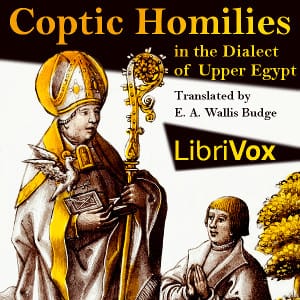
These tenth-century Coptic homilies offer an extraordinary window into medieval Egyptian Christianity, preserving theological debates that shaped the ancient world. Attributed to luminaries like Athanasius of Alexandria, Basil of Caesarea, and others, these texts reveal how Greek Christian doctrine took root in Egyptian monastic culture. They address the essentials of faith: fasting as spiritual discipline, repentance as transformation, the mystery of the Incarnation, and the apocalyptic anxieties that haunted late antique believers. The linguistic value is immense. Written in the distinctive dialect of Upper Egypt, these texts are among the most important surviving documents for understanding Coptic, the final flowering of the ancient Egyptian language before its decline. For Egyptologists and linguists, they represent an indispensable resource. For scholars of early Christianity, they expose a distinctly Egyptian theology one that adapted Greek orthodoxy to the spiritual sensibilities of the Nile Valley's monasteries.
Editions

Link to this book
Add a free, dofollow link to Lex on your blog, forum, syllabus, or reading list.

<a href="https://lex-books.com/book/coptic-homilies-in-the-dialect-of-upper-egypt-628120fb-cf77-4be0-998e-f0b5419c4988"><img src="https://lex-books.com/badges/read-on-lex.svg" alt="Read Coptic Homilies in the Dialect of Upper Egypt by E. A. Wallis , Sir Budge free on Lex" width="160" height="40"></a>[](https://lex-books.com/book/coptic-homilies-in-the-dialect-of-upper-egypt-628120fb-cf77-4be0-998e-f0b5419c4988)[url=https://lex-books.com/book/coptic-homilies-in-the-dialect-of-upper-egypt-628120fb-cf77-4be0-998e-f0b5419c4988][img]https://lex-books.com/badges/read-on-lex.svg[/img][/url]Read Coptic Homilies in the Dialect of Upper Egypt by E. A. Wallis , Sir Budge free on Lex: https://lex-books.com/book/coptic-homilies-in-the-dialect-of-upper-egypt-628120fb-cf77-4be0-998e-f0b5419c4988Cite this book
Reading this edition for a paper or guide? Copy a citation.
E. A. Wallis , Sir Budge. Coptic Homilies in the Dialect of Upper Egypt. Lex, lex-books.com/book/coptic-homilies-in-the-dialect-of-upper-egypt-628120fb-cf77-4be0-998e-f0b5419c4988.E. A. Wallis, S. B. (n.d.). Coptic Homilies in the Dialect of Upper Egypt. Lex. https://lex-books.com/book/coptic-homilies-in-the-dialect-of-upper-egypt-628120fb-cf77-4be0-998e-f0b5419c4988E. A. Wallis , Sir Budge. Coptic Homilies in the Dialect of Upper Egypt. Lex. https://lex-books.com/book/coptic-homilies-in-the-dialect-of-upper-egypt-628120fb-cf77-4be0-998e-f0b5419c4988.