The Literature of the Ancient Egyptians
1896
For over four thousand years, Egyptian scribes put reed to papyrus and discovered something timeless: the concerns of the human heart. In this landmark collection, one of the era's most eminent Egyptologists presents translations of texts that blur the distance between ancient and modern. Here are fathers advising sons on choosing a profession, lovers exchanging tender letters, and wise teachers grappling with mortality and meaning. The Egyptians believed writing possessed magical power, that properly inscribed words could resurrect the dead and grant eternal life. Budge makes accessible the literature of this sophisticated civilization: Instructions in wisdom and moral conduct, hymns to the gods, tales of adventure and magic, and the elaborate funerary texts designed to guide the soul through the underworld. What emerges is not the mysterious Egypt of pop culture but a people remarkably like ourselves: anxious about death, curious about the divine, devoted to family, and desperate to leave something lasting behind. This is one of the earliest attempts to bring the full breadth of Egyptian literary achievement to general readers, and it remains a gateway to voices that have waited millennia to be heard.
Editions
X-Ray
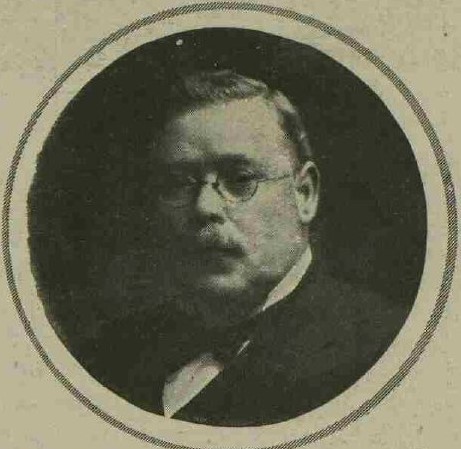
The author and compiler of this scholarly work on ancient Egyptian literature. A distinguished Egyptologist and Keeper of Egyptian and Assyrian Antiquities at the British Museum.
The Egyptian god of wisdom and writing, considered the divine author of Egyptian literature. Depicted as an ibis-headed man who invented hieroglyphs and served as scribe of the gods.
The great sun god of Egypt, creator deity who ruled over gods and men. Central figure in many myths and hymns throughout Egyptian literature.
God of the dead and ruler of the afterlife, murdered by his brother Set but resurrected. Central figure in Egyptian funerary literature and beliefs about the afterlife.
About The Literature of the Ancient Egyptians
Chapter Summaries
- I
- Introduces Thoth as the divine inventor of writing and describes the materials and methods used by ancient Egyptian scribes. Details the production of papyrus, writing implements, and the sacred nature of hieroglyphic writing.
- II
- Examines the oldest religious literature of Egypt, found inscribed in pyramids of the Fifth and Sixth Dynasties. Includes the Book of Opening the Mouth, funerary liturgies, and hymns describing the king's journey to the afterlife.
- III
- Presents tales from the Westcar Papyrus about magical feats performed by ancient magicians, including stories of wax crocodiles, parting waters, and restoring life to dead animals.
Key Themes
- Divine Authority and Wisdom
- Throughout Egyptian literature, gods like Thoth and Ra represent ultimate wisdom and authority. The texts emphasize that all knowledge and writing come from divine sources, establishing the sacred nature of literature itself.
- Death and Afterlife
- The dominant theme across Egyptian literature is preparation for death and navigation of the afterlife. From the Pyramid Texts to the Book of the Dead, these works provide detailed guidance for the soul's journey after death.
- Moral Instruction and Social Order
- Works like the Precepts of Ptah-hetep emphasize proper conduct, respect for authority, and moral behavior. These texts served to maintain social harmony and teach proper relationships between different classes.
Characters
- E.A. Wallis Budge(protagonist)
- The author and compiler of this scholarly work on ancient Egyptian literature. A distinguished Egyptologist and Keeper of Egyptian and Assyrian Antiquities at the British Museum.
- Thoth(major)
- The Egyptian god of wisdom and writing, considered the divine author of Egyptian literature. Depicted as an ibis-headed man who invented hieroglyphs and served as scribe of the gods.
- Ra (Rā)(major)
- The great sun god of Egypt, creator deity who ruled over gods and men. Central figure in many myths and hymns throughout Egyptian literature.
- Osiris(major)
- God of the dead and ruler of the afterlife, murdered by his brother Set but resurrected. Central figure in Egyptian funerary literature and beliefs about the afterlife.
- Isis(major)
- Powerful goddess of magic, wife of Osiris and mother of Horus. Known for her magical abilities and devotion to restoring her murdered husband.
- Horus(major)
- Falcon-headed god, son of Osiris and Isis, who avenged his father's murder by defeating Set. Associated with kingship and divine protection.
Link to this book
Add a free, dofollow link to Lex on your blog, forum, syllabus, or reading list.

<a href="https://lex-books.com/book/the-literature-of-the-ancient-egyptians-403f608b-95e8-4c88-a8a3-bc1d44c8393d"><img src="https://lex-books.com/badges/read-on-lex.svg" alt="Read The Literature of the Ancient Egyptians by E. A. Wallis , Sir Budge free on Lex" width="160" height="40"></a>[](https://lex-books.com/book/the-literature-of-the-ancient-egyptians-403f608b-95e8-4c88-a8a3-bc1d44c8393d)[url=https://lex-books.com/book/the-literature-of-the-ancient-egyptians-403f608b-95e8-4c88-a8a3-bc1d44c8393d][img]https://lex-books.com/badges/read-on-lex.svg[/img][/url]Read The Literature of the Ancient Egyptians by E. A. Wallis , Sir Budge free on Lex: https://lex-books.com/book/the-literature-of-the-ancient-egyptians-403f608b-95e8-4c88-a8a3-bc1d44c8393dCite this book
Reading this edition for a paper or guide? Copy a citation.
E. A. Wallis , Sir Budge. The Literature of the Ancient Egyptians. Lex, lex-books.com/book/the-literature-of-the-ancient-egyptians-403f608b-95e8-4c88-a8a3-bc1d44c8393d.E. A. Wallis, S. B. (1896). The Literature of the Ancient Egyptians. Lex. https://lex-books.com/book/the-literature-of-the-ancient-egyptians-403f608b-95e8-4c88-a8a3-bc1d44c8393dE. A. Wallis , Sir Budge. The Literature of the Ancient Egyptians. Lex. https://lex-books.com/book/the-literature-of-the-ancient-egyptians-403f608b-95e8-4c88-a8a3-bc1d44c8393d.