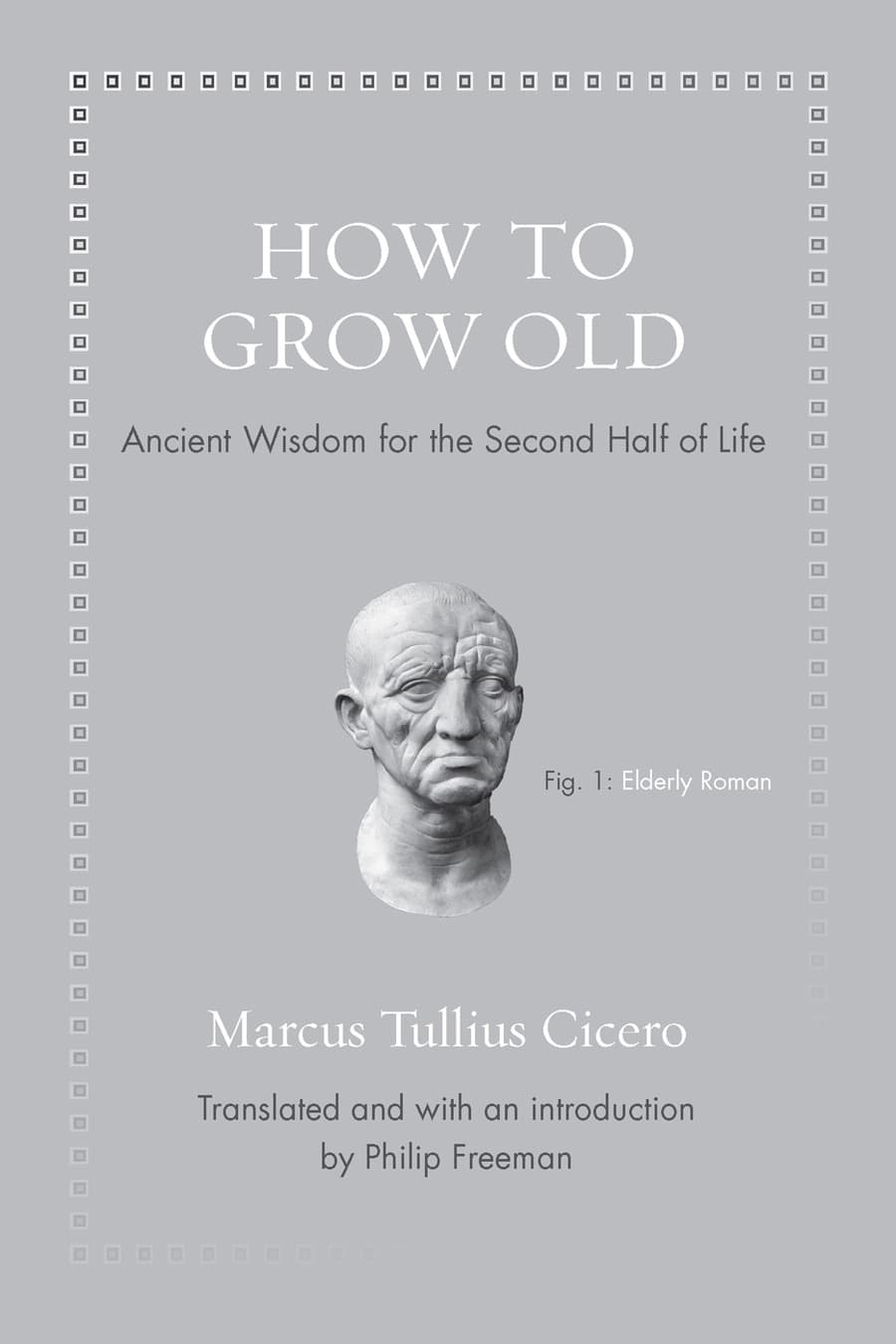
Cato Maior De Senectute with Introduction and Notes
Cato Maior De Senectute with Introduction and Notes
Few texts speak to the universal terror of aging with such serene authority. Written in 44 BCE as Rome shook with political violence, Cicero composed this dialogue not as an abstract exercise but as urgent personal philosophy: he was growing old himself, watching friends die, and needed to make sense of what remained. The dialogue features Cato the Elder, then eighty-four, conversing with Scipio Africanam and Laelius about the nature of老年. What emerges is neither sentimental nor despairing. Cato argues that old age robs us only of what we lacked the wisdom to value in the first place: physical pleasure, political ambition, the vanity of youth. What it cannot steal is what we have cultivated across a lifetime of action and reflection. The treatise pulses with specific, unforgettable imagery: the farmer who tends his orchard knowing he will not taste its fruit, the general who plans campaigns beyond his own campaigns, the ship captain who steers by stars rather than the shoreline. Nearly two millennia later, this remains the most eloquent defense of a long life well lived ever written. It asks the reader to consider: when the body fails, what exactly do we lose, and what do we finally gain?
Editions
X-Ray
“The brief arc of our days,O Sestius,prevents us from launching prolonged hopes.””
— Marcus Tullius Cicero
“IT is alledged, that Memory fails in Old Age. That it does so, I freely grant; but then it is principally, where it has not been properly exercised; or with those who naturally have no Strength of Brain: For such as have, will pretty well retain it.””
— Marcus Tullius Cicero
“The best Armour of Old Age is a well-spent life preceding it; a Life employed in the Pursuit of useful Knowledge, in honourable Actions and the Practice of Virtue; in which he who labours to improve himself from his Youth, will in Age reap the happinest Fruits of them; not only because these never leave a Man, not even in the extremest Old Age; but because a Conscience bearing Witness that our Life was well-spent, together with the Remembrance of past good Actions, yields an unspeakable Comfort to the Soul””
— Marcus Tullius Cicero
Link to this book
Add a free, dofollow link to Lex on your blog, forum, syllabus, or reading list.

<a href="https://lex-books.com/book/cato-maior-de-senectute-with-introduction-and-notes-8d251c17-ccdd-4790-8e94-3edeced5ef61"><img src="https://lex-books.com/badges/read-on-lex.svg" alt="Read Cato Maior De Senectute with Introduction and Notes by Marcus Tullius Cicero free on Lex" width="160" height="40"></a>[](https://lex-books.com/book/cato-maior-de-senectute-with-introduction-and-notes-8d251c17-ccdd-4790-8e94-3edeced5ef61)[url=https://lex-books.com/book/cato-maior-de-senectute-with-introduction-and-notes-8d251c17-ccdd-4790-8e94-3edeced5ef61][img]https://lex-books.com/badges/read-on-lex.svg[/img][/url]Read Cato Maior De Senectute with Introduction and Notes by Marcus Tullius Cicero free on Lex: https://lex-books.com/book/cato-maior-de-senectute-with-introduction-and-notes-8d251c17-ccdd-4790-8e94-3edeced5ef61Cite this book
Reading this edition for a paper or guide? Copy a citation.
Cicero, Marcus Tullius. Cato Maior De Senectute with Introduction and Notes. Lex, lex-books.com/book/cato-maior-de-senectute-with-introduction-and-notes-8d251c17-ccdd-4790-8e94-3edeced5ef61.Cicero, M. T. (n.d.). Cato Maior De Senectute with Introduction and Notes. Lex. https://lex-books.com/book/cato-maior-de-senectute-with-introduction-and-notes-8d251c17-ccdd-4790-8e94-3edeced5ef61Cicero, Marcus Tullius. Cato Maior De Senectute with Introduction and Notes. Lex. https://lex-books.com/book/cato-maior-de-senectute-with-introduction-and-notes-8d251c17-ccdd-4790-8e94-3edeced5ef61.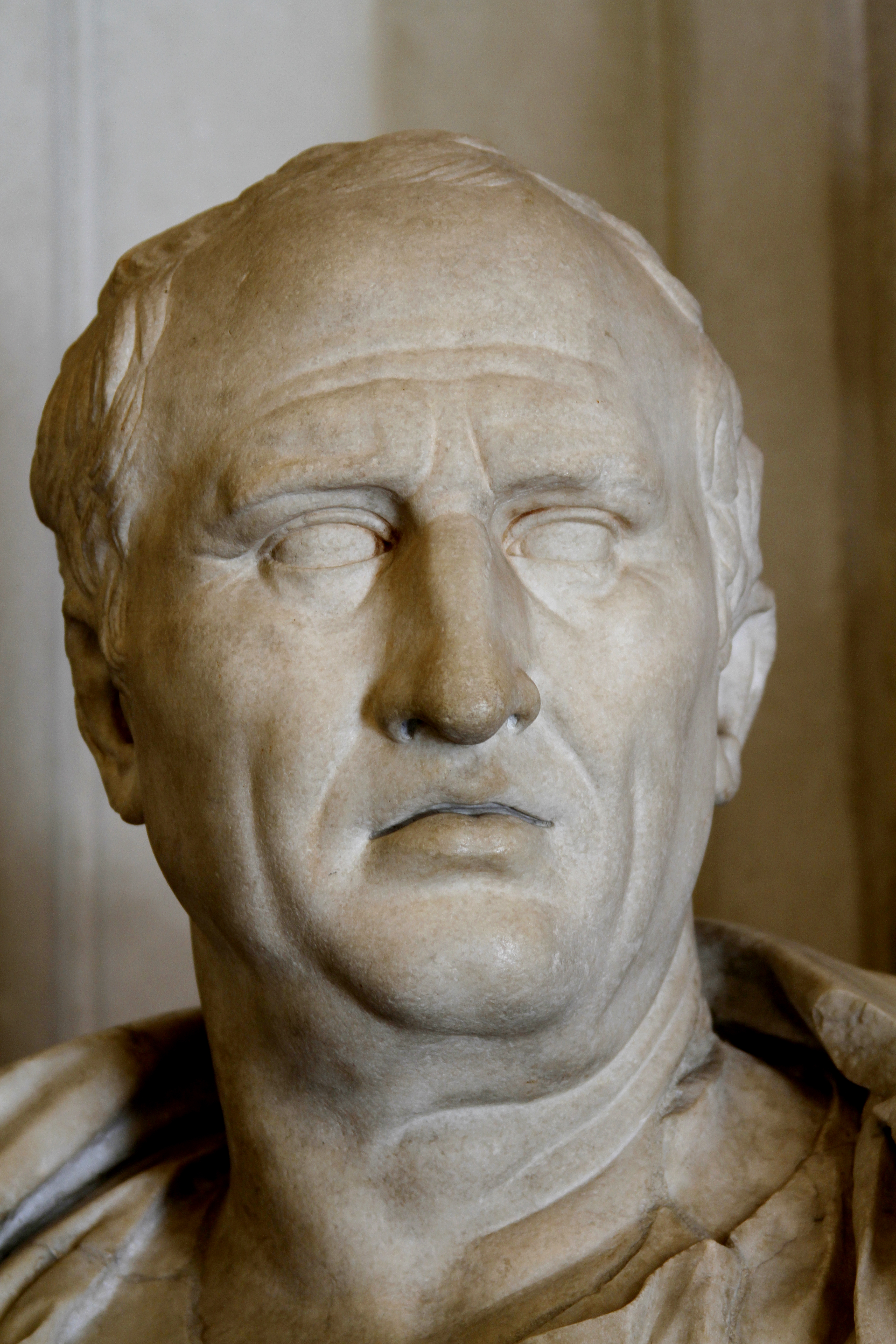


![The Lettsomian Lectures on Diseases and Disorders of the Heart and Arteries in Middle and Advanced Life [1900-1901]](/_next/image?url=https%3A%2F%2Fd3b2n8gj62qnwr.cloudfront.net%2FCOVERS%2Fgutenberg_covers75k%2Febook-43780.png&w=3840&q=75)